Learning a new language used to mean heavy textbooks, late-night classes, and dog-eared flashcards. Not anymore. Today, language learning apps turn your phone into a 24/7 personal tutor. They are smart. They are interactive. And they can make your study time up to 2.7 times more efficient when used the right way.
TL;DR: Language learning apps boost efficiency by using spaced repetition, gamification, AI feedback, and bite-sized lessons. They help you remember more in less time. The best apps combine speaking, listening, reading, and writing practice in one place. Choose an app that fits your goals and use it daily for short, focused sessions.
Why Traditional Studying Is Slow
Old-school language learning has a few problems.
- Too much passive reading.
- Not enough speaking practice.
- No instant feedback.
- Long study sessions that drain your brain.
Your brain loves short bursts of focused effort. It also loves repetition spaced out over time. Cramming for two hours? Not effective. Studying 15 minutes daily? Much better.
That is where apps shine.
How Language Apps Make You 2.7X More Efficient
The magic is not luck. It is science.
1. Spaced Repetition
Apps use algorithms to show you words right before you forget them. This locks vocabulary into long-term memory.
Instead of reviewing 100 words at random, the app selects the 15 you are about to forget. That saves time. And boosts retention.
2. Microlearning
Lessons are short. Often 5 to 10 minutes.
This keeps your brain fresh. It also makes it easy to study every day. Consistency beats long study marathons.
3. Instant Feedback
You make a mistake. The app corrects you immediately.
This is powerful. Fast feedback helps your brain adjust quickly. No waiting for a teacher to grade your homework.
4. Gamification
Points. Streaks. Levels. Rewards.
It feels like a game. But you are building real skills. Motivation increases. And motivated learners move faster.
5. Speech Recognition
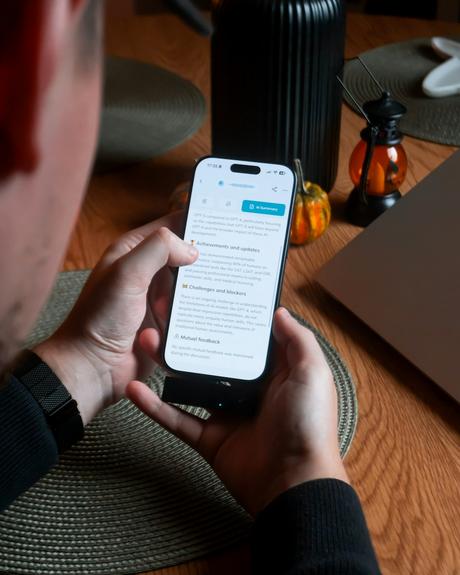
Many apps now use AI to analyze your pronunciation.
You speak. The app listens. It tells you what to fix.
This used to require a private tutor. Now it fits in your pocket.
Top Language Learning Apps Compared
Not all apps are the same. Some focus on vocabulary. Others focus on conversation. Let’s look at a few popular ones.
App Best For Key Feature Speaking Practice Gamified
Duolingo Beginners Short game-like lessons Basic Yes
Babbel Real-life conversations Dialog-based learning Strong Moderate
Memrise Vocabulary building Spaced repetition Moderate Yes
Busuu Grammar and feedback Community corrections Strong Light
Rosetta Stone Immersive learning No-translation method Strong No
A Closer Look at What Makes Them Work
Duolingo: The Habit Builder
Duolingo turns learning into a daily game.
You earn points. You protect your streak. You compete with friends.
It is fun. Very fun.
But it works best when paired with real conversation practice.
Babbel: Practical Dialogs
Babbel focuses on real-world conversations.
You learn how to order food. Ask for directions. Introduce yourself.
The lessons feel practical. And structured.
Memrise: Vocabulary Master
If words are your weak spot, Memrise helps.
It drills vocabulary using spaced repetition. Again and again. Just when you are about to forget.
This builds a strong word foundation fast.
Busuu: Community Feedback
Busuu lets native speakers correct your exercises.
This human touch is valuable.
You get real-world input. Not just automated responses.

Rosetta Stone: Full Immersion
No translations. No shortcuts.
You learn the way children learn. Through context and images.
This strengthens intuition in the language.
Efficiency = Smart Strategy + Smart App
An app alone will not magically make you fluent.
You need strategy.
Here is a simple formula:
- 10 minutes vocabulary practice
- 5 minutes speaking out loud
- 5 minutes listening practice
That is 20 minutes per day.
Do that for 30 days. You will feel the difference.
The Science Behind Faster Learning
Your brain builds connections called neural pathways.
The more often you use them, the stronger they become.
Apps encourage:
- Active recall (you must remember, not just recognize)
- Spaced review
- Context-based learning
- Multi-sensory input (audio, text, images)
This combination strengthens memory faster than passive reading.
Common Mistakes to Avoid
Even the best app cannot fix bad habits.
Mistake 1: Only Doing Easy Lessons
Hard lessons feel uncomfortable. That is growth.
Mistake 2: Skipping Speaking Practice
If you do not speak, you will not build fluency. Talk to your phone. Talk to yourself. Just speak.
Mistake 3: Breaking Your Study Streak
Consistency beats intensity.
Five minutes daily is better than one hour once a week.
Boosting Efficiency Even More
Want to go beyond 2.7X? Combine your app with these tricks.
1. Change Your Phone Language
This forces tiny daily exposure. Effortless practice.
2. Label Objects in Your Home
Door. Mirror. Table. Constant reminders help.
3. Use Passive Listening
Play podcasts in the background. Even if you only catch 30%, it helps.
4. Shadowing Technique
Listen to a sentence. Repeat immediately. Copy the rhythm and tone.
This improves pronunciation fast.
How AI Is Changing the Game
Modern apps now use artificial intelligence.
They adapt to your speed. Your mistakes. Your strengths.
This creates a personalized path.
If you struggle with past tense, the app gives extra practice. If you master greetings quickly, it moves you ahead.
This customization wastes less time.
Are Apps Enough to Become Fluent?
Short answer: almost.
Apps are powerful for:
- Building vocabulary
- Understanding grammar basics
- Improving pronunciation
- Creating daily habits
But real fluency also needs:
- Real conversations
- Cultural exposure
- Long-form listening and reading
Think of apps as your foundation. Not the entire building.
The 30-Day Fast-Track Plan
Here is a simple challenge.
Days 1–10:
Focus on core vocabulary and basic phrases.
Days 11–20:
Add daily speaking practice. Even 5 minutes.
Days 21–30:
Watch short videos in your target language. Use subtitles if needed.
Track your streak. Celebrate small wins.
The Fun Factor
Fun matters more than you think.
If learning feels boring, you quit.
If it feels like a game, you continue.
Apps turn progress into visible rewards. Level ups feel good. Streaks feel powerful. Small daily wins build confidence.
Final Thoughts
Language learning does not have to be slow.
It does not have to be painful.
With the right app and the right strategy, you can make your study time 2.7 times more efficient. Maybe even more.
Keep lessons short. Stay consistent. Speak out loud. Embrace mistakes.
Your phone is no longer just for scrolling.
It is your portable language lab.
And fluency may be closer than you think.