


As a pregnant mom, you probably get loads of advice on what foods to consume. Equally important, however, is the type of water to drink. Tap water is a popular choice as it’s easily accessible and affordable. But with so many contaminants cropping up in U.S. drinking water systems, you might wonder: Is it safe to drink tap water when you’re expecting?
This guide explores the health risks of drinking contaminated tap water during pregnancy, signs your tap water might be unsafe to drink, and how a suitable water filter can produce cleaner, safer, and healthier water for you and your unborn baby.
Is It Okay To Drink Tap Water While Pregnant?

If you are pregnant, you should avoid drinking tap water if the water is untreated and contaminated. That’s because many harmful compounds like lead can readily cross the placenta to the fetus and cause harm, Nemours Children’s Health explains. Moreover, an unborn child’s rapidly developing organs and systems are often more vulnerable to damage from chemical exposure, even at levels considered “safe” for adults.
Common Contaminants in Tap Water and How They Can Affect Prenatal Health and Development
Though U.S. tap water is generally safe, it sometimes contains various contaminants that may affect your baby’s health and development:
- Lead may impair fetal brain development and cause premature birth, lower birth weight, and miscarriage;
- Nitrates/nitrites are associated with “Blue baby syndrome” (methemoglobinemia), spontaneous preterm birth, congenital disabilities, and childhood cancer;
- Bacteria and parasites can cause gastrointestinal illness, dehydration, and severe infections;
- PFAS (“Forever Chemicals”) are linked to lower birth weight, preterm birth, immune dysfunction, and developmental delays; and
- Arsenic exposure can lead to gestational diabetes, anemia, low birth weight, miscarriage, and congenital anomalies.
Signs Your Tap Water May Be Unsafe to Drink

The following signs may indicate that your water is contaminated:
- Strange taste (metallic, oily, or fishy)
- Discoloration or cloudiness
- Unusual odors (a musty, metallic, sulfuric, chlorine, or rotten egg smell)
- Staining on fixtures
- Health symptoms among household members
- Boil water advisories in your area.
Please note: Some contaminants have no discernible taste, smell, or odor in water, so you’ll need to test your water to know if it’s contaminated and potentially unsafe to drink.
Find out why tap water tastes bad and what causes it to smell.
What is The Safest Water To Drink? Steps to Ensure Safe Tap Water in Pregnancy
Wondering if it is ok to drink faucet water? Here’s how to ensure it is safe to drink when pregnant:
- Get your tap water tested. Request a water quality report, also called a Consumer Confidence Report or CCR, from your local water provider, or conduct a certified laboratory test for clear insights into your tap water quality.
- Use a home water filtration system. Consider installing a top-rated water filter to reduce or eliminate heavy metals, chemicals, pathogens, and other waterborne contaminants that could harm you or your baby.
- Stay informed. Monitor public health notifications about water in your area and keep up with routine water testing.
The Best Water Filter to Use While Pregnant (and Beyond)
If your water test reveals one or more contamination issues in your tap water, installing a high-quality water filter is a smart step toward a healthy pregnancy.
Best Under-Sink Water Filter for Pregnancy
Moen’s Under-Sink Reverse Osmosis Water Filtration System is one of the best water filters for pregnant mothers. It reduces up to 99% of lead, arsenic, PFAS, chlorine, fluoride, bacteria, and other contaminants linked to adverse pregnancy and birth outcomes.

Backed by Moen’s lifetime warranty, this point-of-use water filter produces up to 90 gallons of high-quality, purified water daily to meet your household drinking water needs. It also has a stylish, dedicated filtration faucet that provides instant and convenient access to clean, cold filtered water at your kitchen sink.
Learn how reverse osmosis works.
Best Whole-House Water Filter for Pregnancy
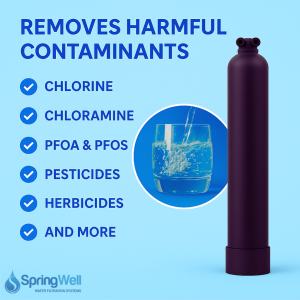
For clean, filtered water throughout your home, a whole-house water filter from SpringWell can treat water at the point of entry so the water you drink, cook with, bathe in, and everything in between is consistently clean and safe.
Find out how to choose the best whole-house water filter.
Final Thoughts
Clean, safe tap water isn’t just about quenching your thirst while pregnant; the health of your growing baby also depends on it. So, test your water for potential quality issues and invest in a suitable water filtration solution to remove harmful contaminants.
If you need help finding the best water filter for pregnancy or have concerns not addressed in this article, call SpringWell at 800-589-5592 or schedule a free consultation.

FAQs About Tap Water Safety for Pregnant Moms
Bottled water v tap water, which is safer in pregnancy? pregnancy?
Not always. Bottled water isn’t necessarily safer than filtered tap water, and can sometimes be packaged tap water at a premium price.
What if I accidentally drink some contaminated water while showering?
Most exposures in these cases are minor. Let your doctor know as soon as possible, especially if you have symptoms or suspect the water contains lead, PFAS, nitrates, or other toxic compounds.
How often should I use a water quality test kit while expecting?
You should test your water at least once yearly; more often if you have a private well, live in an older home, notice changes in your water, or after plumbing work.
Does boiling water remove bacteria or other pregnancy-related contaminants?
Boiling kills germs but does not remove chemicals like lead, nitrates, or PFAS. Use a suitable water filter to reduce/remove those contaminants.






