What we'll cover...
This guide will explore is summer the best time to replace your radiators, including a look at the practical benefits, potential disadvantages, and key elements to consider before making the switch. We’ll also cover which signs indicate your radiators might be due an upgrade, what options are available, and how making the decision ahead of the colder months can save you both stress and money in the long term.
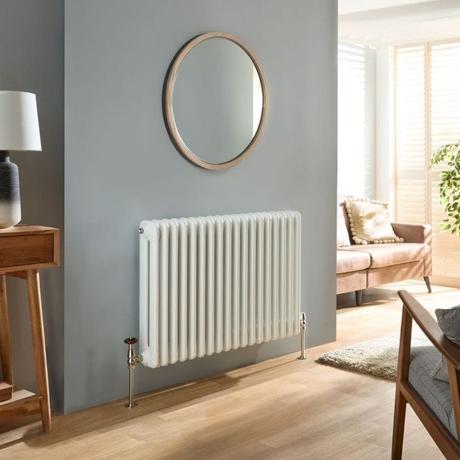
Why to pay attention to home heating in summer
It makes sense that radiators can be somewhat overlooked during the warmer summer months of the year. As unpredictable as the UK weather climate typically is, the chances are that your heating will be switched off for much of the time as temperatures increase.
That said, it can certainly be argued that summer is one of the smartest times of the year to replace, upgrade or tend to your heating. One of the worst-case heating scenarios involves the breakdown of radiators or alternative heating solutions in the depths of a freezing cold winter, so any preventative measures that can be taken beforehand are advisable.
So, what is the best course of action to take regarding radiators in summer? This article looks at the ideal means for maintaining or updating your home heating during the warmer summer months.
Reasons to upgrade your heating in summer
There are several reasons to upgrade your heating in the summer. Some of the most obvious are featured below.
No absence of heating
The most obvious factor, and simplest reason for keeping on top of your radiators during the summer is that you won’t be left without heating when you need it the most.
Most often, the radiator replacement process involves the heating system being switched off, the draining of all or some of the heating system, and the installation of the new radiator and testing to ensure it works properly.
These tasks – the draining of the heating system in particular – are also logistically much tougher to complete in colder winter climes. Plus, with less reliance on the heating extremely likely in summer, there’s less pressure to rush the work or find a shortcut to effective longer-term heating.
Less demand for heating engineers
Later in the year, heating engineers are under a much greater level of demand. Emergency callouts for the likes of boiler issues, frozen pipes and leaking radiators are commonplace in winter, leading to a significantly higher strain on resources in the heating industry.
Enlisting the services of a plumber or heating professional during the summer will generally mean much easier booking availability, shorter waiting times and the opportunity of extra flexibility with callouts or appointments. What’s more, it’s possible you could find discounted rates in comparing a few heating engineers with summer availability as opposed to paying amped-up emergency fees after your heating’s broken down when you need it the most.

Higher product availability
Another notable advantage of switching radiators in summer is stock availability.
During peak heating season in the latter stages of the year, the most popular radiator designs – particularly those of a specific size, finish or style – can quickly sell out. This can lead to the inconvenience of longer delivery waits, being forced to settle for second-choice alternative, or delaying or cancelling your radiator replacement altogether.
Typically, radiator summer stock levels are higher, and provide customers with the luxury of choice between sleek vertical radiators, traditional cast iron rads, and a wealth of other designer radiator options. Searching in the summertime, you’re more likely to be able to identify and purchase the exact design you want in a far smoother process.
Additional planning time
In the case of winter heating breakdowns, rash decisions can quite understandably be made. Whilst it’s always a good idea to have the likes of a portable heater on hand as an emergency backup heat source, many will fall into the trap of making the wrong long-term radiator purchase decision to quickly restore heat.
Focus should center around selecting the right radiator for a specific space, considering if it can perform energy efficiently at the point of use given factors such as insulation and its surrounding environment, and alignment with your interior design aesthetic.
By opting to replace radiators in the summer, you are afforded adequate time to measure up your rooms correctly, work out your required BTU output, and consider layout and placement in greater detail. All in all, this additional planning time will typically result in much better, longer lasting results.
The right time to renovate
Summertime is prime time for BBQs, beer gardens and home improvements. And whilst, depending on your outlook, the latter project might not seem quite as much fun as the other two, it’s the perfect time to commence with renovation work while the weather is fine.
If you’re proceeding with a room redecoration, a bathroom renovation, or giving the whole home a facelift, it makes perfect sense to update your radiators or heated towel rails in the process.
You don’t want to undo all the hard work you spent painting a room or relaying flooring by having to disturb the peace a few months later, chipping at walls and ripping up boards to swap your outdated radiator.
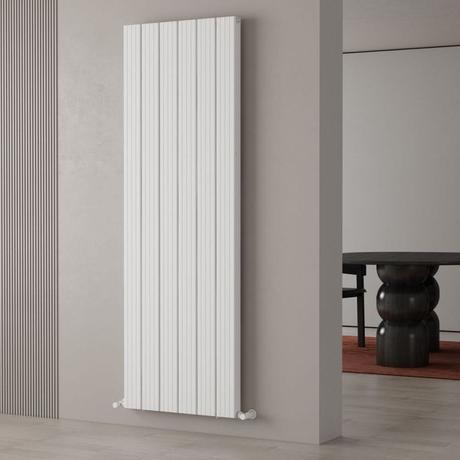
Key signs you need to replace your radiators
Even if your radiators are still technically working, it doesn’t mean they are doing so to their full capacity. Below are a few key signs that it could be time to replace or upgrade your radiators.
Stubborn cold spots
If you find cold spots that cannot be resolved through bleeding your radiators, internal sludge or corrosion may be the cause. When a power flush doesn’t do the trick, or the problem becomes repetitive, a new radiator is the obvious solution.
Slow heat-up times
Older radiators can take a significantly longer amount of time to heat up. This slower process can add up your heating working harder for less results, leading to higher energy bills.
Rooms not feeling warm enough
Another point that sounds obvious. But if certain rooms are regularly colder than others with the same level of heating, it indicates the radiators in that space may not be delivering an adequate heat output.
Visible damage or rust
Clear signs of corrosion, rust, or other types of surface damage show that a radiator is coming towards the end of its lifespan. Even from an appearance perspective, a rusty radiator is never contributing to anyone’s dream interior look.
Outdated design
Sticking with the visual theme, if your radiator looks like a simple metal box as opposed to a room-enhancing design feature, upgrading to a modern version can make a massive difference to the overall aesthetic of the space.

Are there any disadvantages to replacing radiators in summer?
It’s not all sunshine, lollipops and radiators. There are a couple of concerns to keep in mind when looking to replace your radiators in summer.
Unidentified performance issues
As your heating isn’t being used on a regular basis, it can be more difficult to identify which radiators are not performing to their full potential, whether a sufficient heat output is being delivered, and any balancing issues with multiple radiators on the system.
With that said, if any of these sorts of problems have reared their head in previous winters, summer is the ideal time to tackle them.
Radiator replacement motivation
As the immediate need for home heating is typically lacking in summer, it’s easy to lose motivation for a radiator replacement, and allow the job to slip right down the pecking order.
Look to prioritise your radiator upgrade before autumn hits, and suddenly it’s a priority to have your heating in tip-top shape with temperatures plummeting.
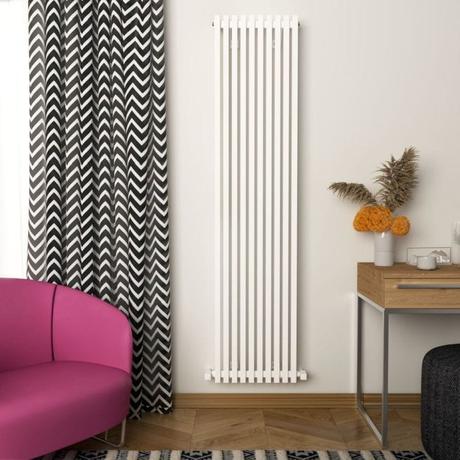
What to consider before replacing your radiators
There’s a few vital elements to consider before commencing with a radiator replacement.
Heat output (BTU)
Heat output, calculated in BTUs, is one of the very most important factors to consider when replacing radiators. Go for a radiator with a heat output that is too low, and the room will remain cold. Choose a radiator with an oversized heat output, and you’ll be wasting more energy than necessary.
Selecting a radiator with the correct BTU output will ensure your room heats up quickly and maintains a comfortable temperature without wasting energy.
Radiator type
Different styles of radiators are best suited to different needs. Some examples for certain scenarios are included below:
- Double panel radiators – Ideal for higher heat output
- Column radiators – Great for traditional aesthetics
- Vertical radiators – Perfect for saving wall space
- Electric radiators – Flexible and easy to install
Size & placement
When considering radiator size and placement, think about:
- Available wall space
- Furniture positioning
- Window locations
Radiator placement can have a significant impact on how effectively heat is distributed around the room.
Radiator valves & accessories
When replacing radiators, it’s often worth upgrading your radiator valves at the same time.
Modern options like thermostatic radiator valves (TRVs) can:
- Help to enhance efficiency in the right setting (with zoned heating etc.)
- Offer a better level of temperature control
- Help to reduce energy bills with digital temperature control, so you only use the heat you need on a room-by-room basis
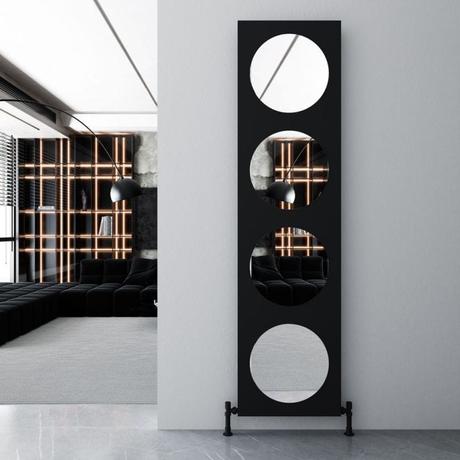
Should all radiators be replaced at once?
All radiators don’t necessarily need to be replaced at once. You could instead choose to replace a single problematic radiator, update priority rooms first, or spread the cost over time.
However, if your heating system overall is ageing, it can prove more efficient and cost-effective to replace multiple radiators in a single go.
The cost benefits of replacing radiators in summer
Although there might not necessarily be a difference in the actual purchase price of radiators from summer to winter, there are still some cost-related advantages.
- Avoiding emergency callout fees for heating professionals in winter
- Having time to seek out the best cost-effective radiator options
- Being able to identify radiators that are highly efficient at the point of use, in line with your specific tariff and usage
Switching to modern, high-performing radiators when they are less likely to be used so frequently can make a noticeable difference when heading into peak heating season.
Priming your heating for colder winter climes
One of the very biggest benefits of replacing radiators in summer is the simple peace of mind it provides as the colder winter months approach.
As temperatures drop, you can be confident that you have a heating system that is working to its optimal capacity, radiators that are fit for purpose, and that your home will keep warm and comfortable when it needs to the most.
Essentially, summer heating upgrades combat the likelihood of last-minute stress and expensive emergencies.
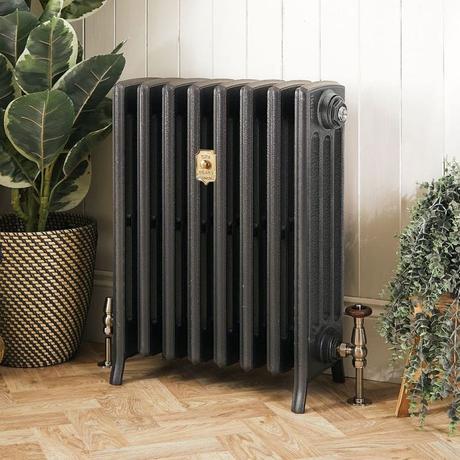
Enjoy a summer heating upgrade with BestHeating
By undertaking a summer heating upgrade, you can enjoy better choice and flexibility, as well as less disruption and peace of mind heading into winter.
BestHeating offer an excellent choice of premium quality heating options, from high-output radiators to stylish designer models to accentuate virtually any interior, so you can be fully prepared for when you really need the heat.
Be sure to let us know all about your summer heating updates by reaching out to us via Instagram, Facebook or X.