For homeowners trying to make smart decisions about energy upgrades, resale value, and long-term comfort, Pearl Certification is often presented as a way to document and verify the value of high-performing home features. The basic idea is straightforward: if a home has efficient heating and cooling equipment, better insulation, high-performance windows, solar panels, smart thermostats, or other quality improvements, Pearl helps identify those features and package them into a recognized certification that can be used during ownership or at resale.
TLDR: Pearl Certification can be worth it if your home has meaningful energy-efficient, comfort, health, or smart-home upgrades that are not obvious to buyers or appraisers. It is especially useful for sellers, homeowners planning major improvements, and real estate professionals who want verified documentation of home performance features. However, it may be less valuable for homes without significant upgrades or for owners who do not plan to sell, refinance, or market the home’s performance anytime soon. The best approach is to compare the certification cost against your likely benefits in resale value, buyer confidence, and upgrade planning.
What Is Pearl Certification?
Pearl Certification is a third-party home certification program focused on documenting features that affect a home’s energy efficiency, comfort, indoor air quality, durability, and overall performance. Rather than simply saying a house is “energy efficient,” Pearl evaluates specific systems and improvements, then organizes that information into a certification report.
Certified features may include:
- Heating and cooling systems, such as high-efficiency heat pumps, furnaces, or air conditioners
- Insulation and air sealing improvements
- Windows and doors with better thermal performance
- Solar energy systems and battery storage
- Smart home technology, including smart thermostats and energy management tools
- Water heating systems and efficient appliances
- Indoor air quality upgrades, such as ventilation or filtration systems
The certification is designed to make these features more visible and easier to understand. This matters because many high-performing home improvements are hidden behind walls, in attics, or inside mechanical rooms. Without documentation, buyers may not know what they are getting, and sellers may struggle to justify a higher asking price.
Image not found in postmeta
How Pearl Certification Works
Pearl typically works through approved contractors, real estate professionals, or home performance specialists who collect information about the home’s qualified features. The home is then assigned a certification level based on the quality and extent of those features. Pearl documentation can also include a customized home performance report, recommended future improvements, and information that may help real estate agents, appraisers, and buyers understand the value of the home.
One of the key strengths of the program is that it connects individual upgrades to a larger narrative about the home. For example, a new heat pump is not just a receipt from an HVAC contractor; it becomes part of a verified record showing that the home has invested in efficiency and comfort. This record can be useful when refinancing, selling, or planning additional upgrades.
When Pearl Certification Is Most Likely Worth It
Pearl Certification is not equally valuable in every situation. It tends to be most worthwhile when a homeowner has already invested in substantial improvements or plans to do so. Below are the cases where it often makes the most sense.
1. You Are Planning to Sell a Home With Efficiency Upgrades
If you are selling a home with upgraded HVAC, added insulation, solar panels, high-performance windows, or similar improvements, Pearl Certification can help turn those investments into a clear selling point. Buyers often care about lower utility bills and comfort, but they may not know how to evaluate those claims. A third-party certification offers more credibility than a seller simply saying, “This home is efficient.”
In a competitive market, documented performance features may help your listing stand out. In a slower market, they may help reassure buyers that the home has been maintained and improved thoughtfully. While certification does not guarantee a higher sale price, it can strengthen the case for why a home deserves buyer attention.
2. Your Home Has Valuable Features That Are Hard to See
Some improvements are obvious, such as a new kitchen or fresh flooring. Others are nearly invisible. Air sealing, attic insulation, ductwork upgrades, ventilation systems, and high-efficiency mechanical equipment may be extremely valuable, but buyers may overlook them unless they are properly documented.
This is where Pearl can be especially helpful. It provides a structured way to identify and explain upgrades that might otherwise be lost during the sale process. For homeowners who have spent thousands of dollars on behind-the-scenes improvements, that documentation can be important.
3. You Want a Roadmap for Future Home Improvements
Pearl is not only about resale. It can also help homeowners understand what they already have and what improvements may provide the best next step. A home performance report can make it easier to prioritize upgrades in a logical order, such as sealing air leaks before replacing HVAC equipment, or improving insulation before adding solar panels.
This can reduce the risk of making upgrades that do not work well together. For example, installing an oversized HVAC system in a poorly sealed home may not deliver the comfort or efficiency you expect. A more comprehensive performance perspective can lead to better decisions.
Image not found in postmeta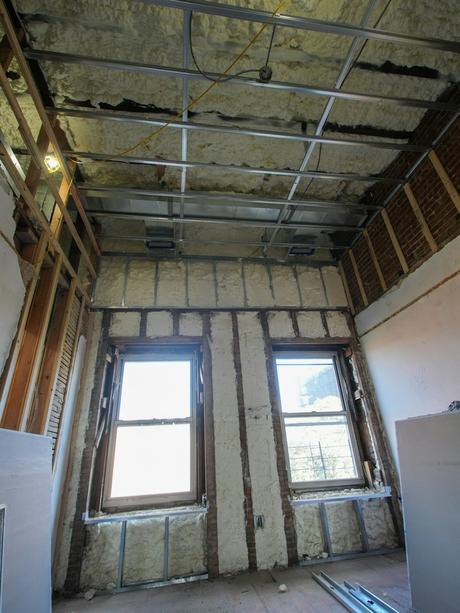
Potential Benefits of Pearl Certification
The value of Pearl Certification depends on your circumstances, but the main benefits are fairly clear.
- Better documentation: Pearl creates a record of qualified home features, which can be useful for buyers, agents, appraisers, and future contractors.
- Improved buyer confidence: Third-party verification may make buyers more comfortable with claims about efficiency, comfort, and quality.
- Stronger marketing: Real estate listings can highlight certified features more professionally and persuasively.
- Potential value recognition: Certification may help support a higher perceived value, especially when paired with knowledgeable real estate representation.
- Upgrade planning: Homeowners may receive guidance on future improvements that can enhance performance over time.
- Long-term recordkeeping: A certification can help preserve information that might otherwise be forgotten, lost, or scattered among receipts.
What Pearl Certification Does Not Guarantee
It is important to be realistic. Pearl Certification is not a magic ticket to a higher sale price. Real estate value is influenced by location, market conditions, buyer demand, school districts, interest rates, home condition, and many other factors. Certification can help communicate value, but it does not force the market to pay more.
It also does not replace a home inspection, energy audit, appraisal, or contractor evaluation. Buyers will still want to perform their own due diligence. Likewise, a certification does not mean every system in the home is new, flawless, or maintenance-free. It verifies and organizes certain performance-related features; it does not eliminate normal ownership risks.
Homeowners should also be careful not to overestimate the value of minor upgrades. A smart thermostat alone, for example, is unlikely to transform a home’s marketability. Pearl is generally more compelling when a home has a broader set of meaningful improvements.
How Much Does Pearl Certification Cost?
The cost of Pearl Certification can vary depending on how it is obtained, the type of certification, the professionals involved, and the home’s situation. In some cases, certification may be included as part of a contractor’s service when qualifying upgrades are installed. In other cases, there may be a separate fee for evaluation and documentation.
Because pricing can differ, homeowners should ask direct questions before proceeding:
- What is included in the certification?
- Will I receive a formal report?
- Can the documentation be used in a real estate listing?
- Does the certification include recommendations for future improvements?
- Who will collect and verify the home feature information?
- Are there any renewal, update, or transfer considerations?
The key question is not simply “How much does it cost?” but “Will the documentation help me recover or communicate the value of my upgrades?” If the answer is yes, the certification may be a reasonable investment.
Is Pearl Certification Useful for Buyers?
For buyers, Pearl Certification can be useful because it provides a clearer picture of a home’s performance-related features. Instead of relying only on listing language, buyers can review documented systems and improvements. This may help them compare homes more intelligently, especially if utility costs, comfort, sustainability, or indoor air quality are priorities.
However, buyers should still remain cautious. A certified home can still have defects, deferred maintenance, or systems nearing the end of their useful life. Certification should be viewed as helpful information, not a substitute for inspections and professional advice.
Buyers should ask for supporting documents, such as installation dates, contractor invoices, equipment specifications, warranties, and energy bills if available. The more complete the documentation, the easier it is to judge whether the home’s features are truly valuable.
Is Pearl Certification Useful for Sellers?
For sellers, Pearl Certification may be even more valuable. A seller’s challenge is not just having good features, but making buyers understand them quickly. Real estate listings are crowded, and buyers often focus on cosmetic details. Certification gives agents a more credible way to explain why one home may be more comfortable, efficient, or cost-effective than another.
A certified home may appeal to buyers who care about:
- Lower monthly energy costs
- Comfortable indoor temperatures
- Reduced environmental impact
- Modern mechanical systems
- Better indoor air quality
- Long-term ownership savings

Still, the seller and agent must know how to use the certification properly. Simply having a certificate is not enough. The home’s listing description, marketing materials, open house conversations, and appraisal packet should all clearly communicate the value of the certified features.
Is Pearl Certification Worth It for Contractors and Real Estate Agents?
For contractors, Pearl Certification can help demonstrate that their work contributes to a larger home performance result. Instead of selling isolated upgrades, contractors can show how those upgrades may increase comfort, efficiency, and documented home value. This can build trust with homeowners who want proof that the work matters.
For real estate agents, Pearl can provide a way to differentiate high-performing listings. Agents who understand energy efficiency and home performance may be better positioned to serve clients with upgraded homes. However, agents must be prepared to explain the certification accurately and avoid overstating its financial impact.
Who May Not Need Pearl Certification?
Pearl Certification may not be necessary for everyone. It may be less worthwhile if:
- The home has few or no meaningful performance upgrades
- You do not plan to sell, refinance, or market the home soon
- The certification cost is high compared with the value of the documented features
- Your local market does not yet recognize or care about energy-efficient features
- You already have strong documentation and do not need third-party verification
In these cases, homeowners may be better served by first investing in practical improvements, such as air sealing, insulation, HVAC maintenance, or an energy audit. Certification is most powerful when there is something substantial to certify.
How to Decide If Pearl Certification Is Right for You
Before deciding, take a practical approach. Start by listing your home’s performance-related features and gathering documentation. Include installation dates, model numbers, warranties, contractor invoices, energy bills, and any prior audit results. Then consider your goals.
Ask yourself:
- Am I selling soon? If yes, certification may help with marketing and buyer confidence.
- Have I made major upgrades? If yes, certification may help preserve and communicate their value.
- Will buyers in my area care? In markets with high energy costs or sustainability-minded buyers, the answer may be yes.
- Do I need improvement guidance? If yes, a performance-based report may help prioritize next steps.
- Is the cost reasonable? The benefit should justify the expense.
Final Verdict: Is Pearl Certification Worth It?
Pearl Certification is worth it for many homeowners, but not automatically for every home. Its greatest value comes from documenting features that are expensive, important, and not always visible. If your home has strong energy-efficiency upgrades, solar, improved comfort systems, or other high-performance features, Pearl can help translate those investments into information that buyers, agents, and appraisers can understand.
For sellers, it can strengthen marketing and support a more credible value story. For buyers, it can provide useful insight into the home’s systems and potential operating costs. For homeowners staying put, it can help organize upgrade planning and long-term records.
The most responsible conclusion is this: Pearl Certification is worth considering when the value of verified documentation exceeds the cost and effort required to obtain it. It is not a substitute for good maintenance, quality installation, or professional inspections, but it can be a serious and useful tool for recognizing the real value of a better-performing home.