Yes, Albania is safe to visit. In fact, it feels safer than plenty of better-known parts of Europe.
I’ve spent almost two months traveling around the country, from Tirana’s backstreets to small coastal towns and remote mountain villages.
I’ve walked around at night, taken local buses and minibuses, and hiked in rural areas, and I’ve never felt unsafe.
That said, it’s totally normal to have questions before visiting somewhere that’s less familiar or still a bit misunderstood.
In this post I’ll share what Albania actually feels like on the ground, along with practical tips on safety, health, local scams and a few things I wish I’d known before my first trip.
My aim is to give you enough honest detail that you feel relaxed about coming, so you can focus on enjoying the place.
Table of Contents
Toggle- General Safety in Albania
- Crime
- Emergency Numbers
- Safe Areas
- Is Public Transport Safe?
- Health and Medical Facilities
- Health Risks in Albania
- Access to Medical Care
- Travel Insurance
- Natural Hazards in Albania
- Weather and Natural Disasters
- Hiking and Outdoor Safety
- Safety for Specific Groups of Travellers
- Solo Female Travellers
- LGBTQ+ Travellers
- Family Safety in Albania
- Financial Safety and Scams
- Credit Card Fraud
- Tourist Scams to Avoid
- Cultural Considerations
- Hospitality
- Driving and Road Safety
- Renting a Car
- Road Conditions
- Safety Tips for Driving the Llogara Pass
- Is Albania Safe for Adventure Travel?
- Water Safety
- What to Do if Something Goes Wrong
- Final Thoughts
Need help planning your next trip? Hire me as your Personal Travel Planner!
General Safety in Albania
Crime
Violent crime involving tourists is very rare in Albania. Most people who visit don’t run into anything more serious than the odd pickpocketing risk in busier spots.
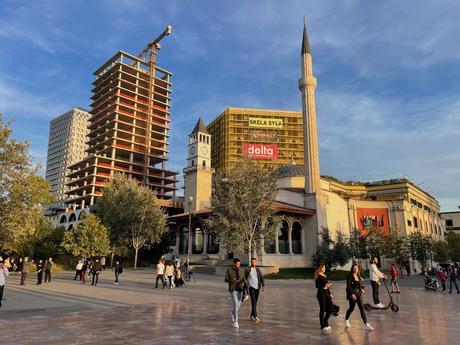
I’ve always felt comfortable wandering around Tirana and the coastal towns. But I still kept my phone and wallet in zipped pockets in places like Skanderbeg Square, markets and busy beaches.
The usual city common sense goes a long way.
Pickpocketing does happen, especially in summer, so keep valuables tucked away and avoid waving expensive cameras or jewelry around.
I usually travel with a simple cross-body bag and keep cash in a separate pocket.
Scams aimed at tourists aren’t a big issue, but it’s worth staying alert. Occasionally you’ll meet pushy sellers, and currency exchanges vary in reliability.
I only ever change money at recognised banks or proper exchange offices.
Emergency Numbers
If you need help, these are the key emergency numbers:
- Police: 129
- Ambulance: 127
- Fire Service: 128
You can also call 112, which works as the general emergency number across Albania.
I’ve found local police pretty approachable when I’ve needed directions or basic help, and they’re usually quick to point you in the right direction.
Safe Areas
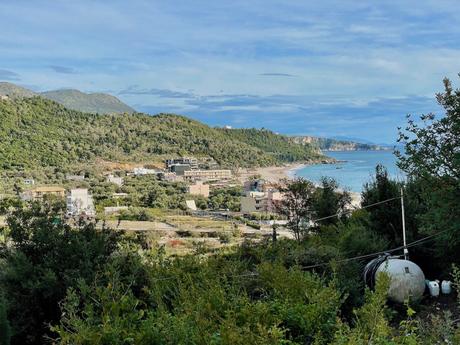
Most travellers stick to places like Tirana, Saranda and Durres, and the central parts of these cities feel safe to walk around during the day.
Areas like Blloku and the streets around Skanderbeg Square are usually busy and relaxed.
Some neighbourhoods on the edge of the big cities can feel a bit rougher after dark. They’re not usually dangerous, but the lighting can be patchy and the streets quieter.
I avoid wandering down unfamiliar backstreets late at night, the same as I would anywhere else.
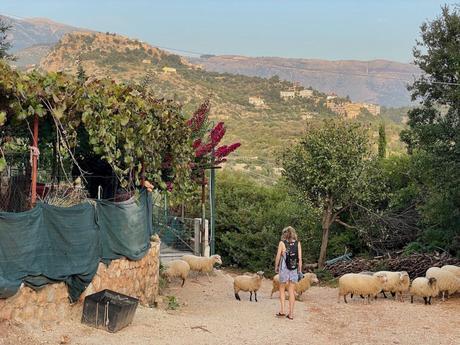
Away from the cities, small towns and villages tend to feel very safe. I’ve had people stop to check I was okay when I looked lost, and even offer to walk me to where I was trying to go.
Is Public Transport Safe?
Public transport in Albania is safe, though it can feel old-school and slightly chaotic if you’re used to fixed timetables.
Local buses and minibuses run everywhere and are cheap and straightforward once you get the hang of them.
Some buses are older and get crowded in summer, so keep your bag in front of you and watch your pockets in busy stations.
When I need a taxi, I either ask my accommodation to call one or use a known company rather than hailing at random. It’s usually cheaper and avoids any confusion over prices.
If you’re renting a car, go with a reputable agency and check the vehicle carefully before you leave. Albania is a brilliant country for a road trip, but you want to make sure the car is up to the job.
Health and Medical Facilities
Health Risks in Albania
It’s worth taking the usual health precautions when travelling in Albania. Routine vaccines like hepatitis A, typhoid and tetanus are generally recommended.
Tap water isn’t reliably safe to drink everywhere, so I tend to stick to bottled or filtered water whenever I’m not sure.
If you have a sensitive stomach, I’d be a bit more careful with undercooked food in rural areas too.
Street food can be great, especially in Tirana, but I only buy from stalls that look clean and busy.
Access to Medical Care
Healthcare in Albania is improving, but the quality varies a lot between regions.
Tirana has the best facilities, including the private American Hospital and the large public Mother Teresa University Hospital, which are the main places you’d want to go for anything serious.
Outside the capital, clinics can handle minor issues, but they may lack equipment or English-speaking staff. I wouldn’t rely on them for anything complicated.
If you rely on specific medication, bring enough for your whole trip. Pharmacies are easy to find in the cities, but certain brands and prescriptions can be harder to replace once you’re outside Tirana.
Travel Insurance
I wouldn’t travel in Albania (or anywhere, for that matter) without decent travel insurance. I use SatefyWing and highly recommend it.
Healthcare is cheaper than in Western Europe, but anything more serious than a quick clinic visit adds up fast, especially if you need private treatment in Tirana.
Make sure your policy covers hiking, car rental and any adventure activities you plan to do. These are the things most likely to cause headaches if something goes wrong.
I also like having cover for lost or stolen belongings, mainly for peace of mind when moving around a lot.
Natural Hazards in Albania
Weather and Natural Disasters
Albania sits in a seismically active region, so earthquakes are possible. Strong ones are rare, but the 2019 Durres quake is a reminder that they do happen.
It’s worth knowing the basics like taking cover indoors if you feel shaking.
Flooding can be an issue in winter, especially from November to March. Heavy rain can close roads in rural areas, so it’s sensible to check local reports if the weather turns.
In summer, wildfires sometimes break out in very dry periods, mainly in forested or hilly regions.
Hiking and Outdoor Safety
Albania’s mountains are incredible but can be tough, especially in places like Theth and Valbona.
Weather changes quickly, even in summer, so check the forecast before you set off and pack for cooler conditions higher up.
If you’re an inexperienced hiker, hiring a local guide can make a big difference. Trails are improving but still vary in quality, and some routes aren’t marked clearly.
Near the northeastern border with Kosovo there are still areas with old landmines, so stick to recognised paths and avoid wandering onto uncultivated ground.
A bit of planning goes a long way toward keeping mountain trips safe and enjoyable.
Safety for Specific Groups of Travellers
Solo Female Travellers
Albania is generally safe for solo female travellers, especially in places like Tirana, Berat and the southern coast.
Friends and readers who’ve traveled alone here tell me they felt comfortable most of the time, though the odd bit of staring isn’t unusual in rural areas.
Modest clothing is appreciated in traditional villages, mostly out of respect rather than strict rules.
As with anywhere, avoid walking alone late at night in unfamiliar areas and use a trusted taxi if you’re heading back after dark. The same common sense you’d follow in other countries applies here too.
LGBTQ+ Travellers
Legal protections for LGBTQ+ people exist in Albania, but everyday attitudes can still be conservative.
Tirana is the most welcoming place, with a small but visible community and a few openly friendly bars and cafés. Outside the capital, people tend to be more reserved.
Most LGBTQ+ travellers visit without issues. Open affection may draw attention in smaller towns, so a low-key approach helps avoid unwanted reactions.
Family Safety in Albania
Albania is very family friendly. Kids are welcomed almost everywhere, and locals often go out of their way to help parents.
The old towns in Berat and Gjirokastër are especially good for families because they’re mostly pedestrian and full of space to explore.
Many of the beaches in the south have shallow, calm water in summer, which makes them ideal for young children. Facilities vary between towns, but overall it’s an easy place to travel with a family.
Financial Safety and Scams
Credit Card Fraud
Cash is still king in most of Albania, especially once you leave Tirana. Some hotels and restaurants take cards, but smaller places usually won’t, so it’s worth carrying a mix of cash and card.
To reduce the risk of card skimming, I stick to ATMs inside banks or big supermarkets rather than using lonely machines on the street.
It’s a simple habit but it makes a difference. I also keep my withdrawal receipts until I’ve checked everything looks right on my account.
Tourist Scams to Avoid
Albania doesn’t have a big scam culture, but a couple of things are worth knowing. Taxi overcharging is the one that crops up most often.
Agree the price before you get in or make sure the meter’s running. I sometimes ask my hotel or guesthouse what a ride should cost so I have a rough idea.
Now and then you’ll meet someone posing as a “guide” near popular sights. If you want a tour, book through your accommodation or a known operator rather than random street offers.
Staying alert without being suspicious of everyone is the balance that works best here.
Cultural Considerations
Albania is an easy place to travel, but a bit of cultural awareness helps.
In traditional villages, modest clothing goes down well, especially if you’re visiting mosques, churches or family homes. You don’t need to cover up heavily, just avoid anything very revealing.
Albanians are warm and direct, so a simple greeting and a smile go a long way. If someone invites you for a coffee, it’s usually just genuine hospitality.
You’ll probably struggle to pay because people love treating guests.
Pay attention to small social cues too. If you’re in a family home, it’s polite to take your shoes off if others do, and accepting food or a drink is seen as good manners rather than an obligation.
Hospitality
Albanian hospitality is legendary for a reason. I’ve had strangers walk ten minutes out of their way to show me a street or bus stop.
People are curious and often keen to help travellers, especially in smaller towns.
You might get asked where you’re from several times a day, and it’s usually nothing more than friendly interest. Lean into it and you’ll get far more out of your trip.
Driving and Road Safety
Renting a Car
Renting a car is my favorite way to get around Albania. Public transport, while reliable enough, doesn’t reach many of the best spots.
Stick to well-known rental companies, as they’re usually clearer about insurance and tend to have better maintained cars.
Before you drive off, check the basics. Look for any existing scratches, take photos, and make sure the tyres, lights and brakes all seem fine.
I’ve had a couple of rentals here that were absolutely fine, and one where the clutch felt like it had survived the Balkan Wars, so it pays to check.
EU and UK licences are generally accepted. Some rental companies ask non-EU/UK travellers for an IDP even if it’s not strictly required by law.
It’s worth double checking before you arrive so you don’t end up arguing at the desk.
Road Conditions
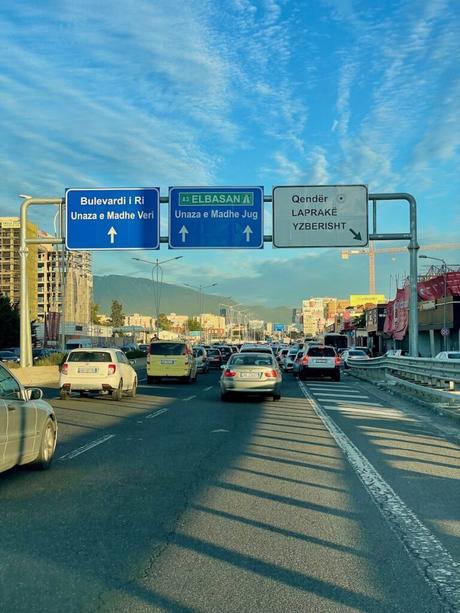
Road quality changes a lot depending on where you are. Main roads between big cities are usually decent, but rural roads can be rough, with potholes and uneven surfaces.
Livestock is a common obstacle too. I’ve seen goats, cows and sheep casually blocking the road many times.
Some drivers overtake on blind corners or drive with minimal lighting at night, so I try to avoid long rural drives after dark.
Take it steady, especially on mountain roads, and don’t assume other drivers will follow the rules.
Safety Tips for Driving the Llogara Pass
The Llogara Pass is one of the most scenic drives in the Balkans, but it’s also steep with tight bends and changing visibility.
Take your time, pull over for photos rather than slowing on bends, and be patient on narrow stretches.
If there’s fog, it can roll in out of nowhere. Slow right down, use your lights properly, and don’t feel pressured by drivers behind you. It’s a beautiful drive when taken calmly.
Is Albania Safe for Adventure Travel?
Albania is brilliant for outdoor adventures. Hiking, paragliding, rafting, canyoning, mountain biking – there’s loads to do and most of it is still refreshingly low key compared to elsewhere in Europe.
If you’re hiking in the Theth or Valbona region, or anywhere up in the Accursed Mountains, go prepared.
Trails are improving each year but some routes still aren’t marked clearly, and weather can swing from warm sun to cold fog surprisingly fast.
A local guide can be worth it if you’re new to the area or planning anything longer than a half-day walk.
For activities like paragliding or rafting, stick to licensed operators. Standards vary, and you want someone who treats safety as more than a box-tick.

Water Safety
The Ionian and Adriatic coasts are generally safe for swimming, with warm, clear water in summer.
Currents can be strong in a few spots, so swim inside designated areas and pay attention if a beach uses a flag system.
Avoid jumping from rocks unless you’ve checked the depth properly – there are some shallow patches along the Riviera.
Boat trips are popular, especially around Ksamil and the Karaburun Peninsula. Pick operators who provide life jackets and don’t overload their boats. Most are fine though.
What to Do if Something Goes Wrong
If you’re unlucky enough to have something stolen, report it at the nearest police station as soon as you can. They’ll log it and give you a report for your insurance.
For illness or injuries, smaller clinics are fine for simple issues, but anything serious is best handled in Tirana.
Keep key numbers saved in your phone and contact your travel insurer early if you need help organising treatment or transport.
A bit of preparation makes these situations far less stressful if they do happen.
Final Thoughts
Staying safe in Albania mostly comes down to the same habits you’d use anywhere else.
Keep your valuables tucked away. Don’t walk down dark backstreets alone at night. And trust your instincts if something feels off.
Overall, I’ve always found Albania to be a safe, friendly and welcoming place to travel.
A little awareness goes a long way, but most people who visit are surprised by how relaxed it feels once they’re here.