


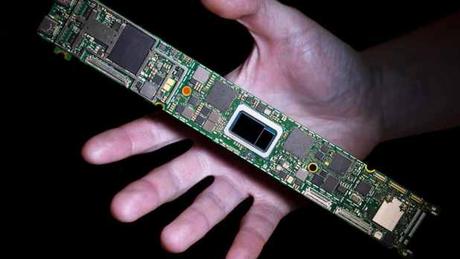
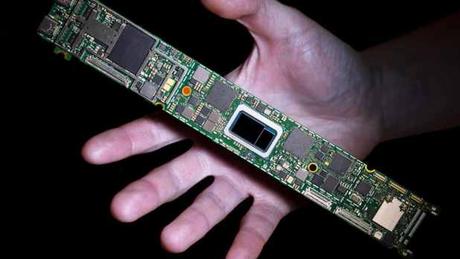
- Intel has introduced the first 11th generation core processors, which are aimed at thin and light laptops.
- These include Intel Xe graphics (Tiger Lake) that promise a significant leap in visual performance.
- Intel has also launched an Evo program to review laptops with the best "experiences".
Intel has just done one of its greatest efforts to stay relevant in a computing landscape where AMD is rapidly gaining ground. The company unveiled the first 11th generation of core processors aimed at "thin and light" laptops that need to balance performance and battery life.
The 10nm chips are based on a "SuperFin" manufacturing process (an improvement on the industry's FinFET technology) with a new Willow Cove architecture. According to Intel, these will help make a "big leap" in actual performance.
The chip giant claims to be able to create content up to 2.7 times faster with an AMD Ryzen 7 4800U and increase productivity by 20% compared to a system. This is interesting because it isn't just being compared to previous Intel chips as it was sometimes in the past.
11th generation Intel Core chips
The CPUs promise a particularly large increase in visual performance. High-end 11th generation chips are the first to use Intel's built-in Iris Xe graphics, which has reportedly doubled the gaming performance of corresponding 10th generation hardware. This still won't replace dedicated GPUs, but Intel believes 1080p is a playable resolution for newer games like Borderlands 3 and Hitman 2.
The platform supports the new, more universal Thunderbolt 4-port standard, as well as PCI Express Gen 4. These are also the first processors in the industry to feature hardware-level Dolby Vision processing, which may offer an additional hour of battery life when streaming HDR video . Support for AV1 video format is built in, as is improvements in AI (neural network inference) and security (including storage encryption).
Continue reading: The best laptops and Chromebooks
Outside of a Core i3 entry-level chip, all new processors are quad-core models with eight threads. All of the Core i3 chips use Intel's slower UHD graphics, while the i5 and i7 parts use Iris Xe. You can find i3, i5, and i7 versions that use just 7W to 15W of power for the most portable machines, as well as thirstier 12W to 28W chips for high-end laptops.
Laptops on the go
Over 150 laptop models are ready to use 11th generation Core, including systems from Acer, Asus, Dell, Dynabook (Sharp), HP, Lenovo, LG, MSI, Razer and Samsung. This includes both Windows PCs and Chromebooks.
In addition, Intel launched Evo, an "intensified" version of its Project Athena program to identify the best laptops using its technology. An Evo laptop must use an 11th generation core chip with support for Iris Xe, Thunderbolt 4, and Intel Wi-Fi 6. It must also meet certain minimum performance expectations, including more than nine hours of real battery life with a 1080p display, waking from sleep in less than a second, "consistent responsiveness" across apps on battery power, and fast charging with up to four hours of use in less than 30 minutes.
The question arises as to whether this will be enough to restore Intel's fame.
This promises to be a significant step up and could buy Intel valuable time while it is a chip business struggling to move to more efficient 10nm and smaller designs. However, the question that arises is whether this is enough to restore Intel's fame. AMD has reached the point where many of the highest performing laptops are based on Ryzen CPUs, and Apple plans to ditch Intel entirely in favor of internal silicon. As the 11th generation arrives, it is just arriving when PC makers and enthusiasts have lost faith in Intel's capabilities.







