In the modern World, there are no rules for spending ~ one need not have anything to spend – not even Credit cards (plastic money) ! – people are wary of carrying coins – yet the Rs.10 coin has created so much of buzz that RBI is sending messages ! urging people that it continues to be a legal tender !!
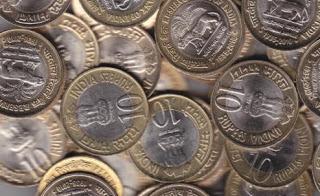 There
are legal tenders and there are commemorative notes in coins – for example, in
2015, Reserve Bank of Indiaissued ₹ 10 coins to commemorate the International Day of Yoga - the
obverse of the coin bears the Lion Capitol of Ashoka Pillar in the center with
the legend "सत्यमेव जयते" inscribed below, flanked on the left
periphery with the word "भारत" in Devnagri script and on the right
periphery flanked with the word "INDIA" in English. It also bears the
Rupee symbol "₹" and denominational value "10" in the
international numerals below the Lion Capitol. The reverse of the coin bears
the logo of "International Day of Yoga", with inscription "सामंजस्य
एवं शान्ति के लिए योग" in Devnagri Script and "YOGA FOR HARMONY AND
PEACE" around the logo and design.
The Government of India has the sole right to mint
coins. The responsibility for coinage vests with the Government of India in
terms of the Coinage Act, 1906 as amended from time to time. The designing and
minting of coins in various denominations is also the responsibility of the
Government of India. Coins are minted at the four India Government Mints at
Mumbai, Alipore(Kolkata), Saifabad(Hyderabad), Cherlapally (Hyderabad) and
NOIDA (UP). The coins are issued for circulation only through the Reserve Bank
in terms of the RBI Act. Coins in India
are presently being issued in denominations of 50 paise, one rupee, two rupees
and five rupees. Coins of 50 paise are
called 'small coins' and coins of Rupee one and above are called 'Rupee Coins'.
Coins can be issued up to the denomination of Rs.1000 as per the Coinage Act,
1906.
Coinage of India,
issued by imperial dynasties and middle kingdoms - Cowry shells was first used
in India as commodity money.Metal
currency was minted in India during the
famed Mauryan Empire.Coins of the Indian
rupee were first minted in 1950. New coins have been produced annually
since then and they make up a valuable aspect of the Indian currency system. After Indian independence, British Indian
coins were in use as a frozen currency until India became a republic in 1950.
There
are legal tenders and there are commemorative notes in coins – for example, in
2015, Reserve Bank of Indiaissued ₹ 10 coins to commemorate the International Day of Yoga - the
obverse of the coin bears the Lion Capitol of Ashoka Pillar in the center with
the legend "सत्यमेव जयते" inscribed below, flanked on the left
periphery with the word "भारत" in Devnagri script and on the right
periphery flanked with the word "INDIA" in English. It also bears the
Rupee symbol "₹" and denominational value "10" in the
international numerals below the Lion Capitol. The reverse of the coin bears
the logo of "International Day of Yoga", with inscription "सामंजस्य
एवं शान्ति के लिए योग" in Devnagri Script and "YOGA FOR HARMONY AND
PEACE" around the logo and design.
The Government of India has the sole right to mint
coins. The responsibility for coinage vests with the Government of India in
terms of the Coinage Act, 1906 as amended from time to time. The designing and
minting of coins in various denominations is also the responsibility of the
Government of India. Coins are minted at the four India Government Mints at
Mumbai, Alipore(Kolkata), Saifabad(Hyderabad), Cherlapally (Hyderabad) and
NOIDA (UP). The coins are issued for circulation only through the Reserve Bank
in terms of the RBI Act. Coins in India
are presently being issued in denominations of 50 paise, one rupee, two rupees
and five rupees. Coins of 50 paise are
called 'small coins' and coins of Rupee one and above are called 'Rupee Coins'.
Coins can be issued up to the denomination of Rs.1000 as per the Coinage Act,
1906.
Coinage of India,
issued by imperial dynasties and middle kingdoms - Cowry shells was first used
in India as commodity money.Metal
currency was minted in India during the
famed Mauryan Empire.Coins of the Indian
rupee were first minted in 1950. New coins have been produced annually
since then and they make up a valuable aspect of the Indian currency system. After Indian independence, British Indian
coins were in use as a frozen currency until India became a republic in 1950.
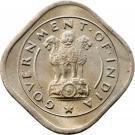
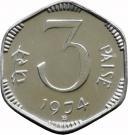 The first rupee coins of the Republic of India were minted in 1950. These
included 1/2 rupee, 1/4 rupee, 2 anna, 1 anna, 1/2 anna & 1 pice coins, and
are referred to as the anna series or pre-decimal coinage. Under the anna
series, one rupee was divided into 16 annas or 64 pice, with each anna equal to
4 pice. In 1957, India shifted to the decimal system, though for a short period
of time, both decimal and non-decimal coins were in circulation. To distinguish
between the two pice coins in circulation, the coins minted between 1957 and
1964 were printed with the legend “Naya Paisa” (“New Paisa”). The word "naya" was dropped in 1964
and a new denomination, the 3 paisa, was introduced into circulation. Stainless steel coinage of 10, 25 and 50 paisa
was introduced in 1988. In 2005, the 10
rupee coin was minted for the first time. On 30 June 2011, all coins in denominations of
25 paisa and below were officially demonetised.
Now it is the 10 rupee
coin that is at the center of controversy making the need for Indian Central
Bank to send outhundreds of millions of text messages to
protect the value of the Indian currency. It's powerful evidence of just how
seriously governments take their task of ensuring the illusion that the cash in
our pockets actually has value.The issue
is rathersimple: at some pockets
especially in rural India, people don't
seem to believe that the 10 rupee coins are real and, as a result, they are
unwilling to accept them.
Factually,14 different kinds of 10 rupee coins have
been issued by the bank between 2009 and 2017 ~ social media adding to the
confusion circulating stories that a man
on his way to a job interview was forced to get off the bus because the conductor
wouldn't accept 10 rupee coins, the only currency he had ! (there can be
another movie on what happened to him by not attending the interview or a girl
intervening to buy a ticket and a different story thereafter !)
Me too received a
textfrom the central bank urging me to accept the
10 rupee coins "without fear". The no. when called had a recorded message, explaining that the Indian
government has minted a number of different 10 rupee coins over the years, each
with a different pattern, and that all are valid.Members of the public should, it exhorted,
"continue to accept coins of the 10 rupee denomination as legal tender in
all their transactions without any hesitation".
Currencies are
legal tender- you take it for some
service – and are able to buy anything of its value with everybody accepting it
– other than the trouble of carrying coins in bulk, there should be no other
impediment.The worth of money isn't
based on the inherent value of the paper or metal - it's forged from a
collective act of trust. The Indian
central bank's PR offensive in defence of the 10 rupee coin is an attempt to
ensure that the peoples' faith in the rest of the country's cash isn't
undermined.
The recent circular
issued by Reserve Bank of India reads :It
has come to the notice of RBI that in certain places there is reluctance on
part of traders and members of public to accept ₹ 10 coins due to suspicion
about their genuineness. It is clarified that the Reserve Bank puts into
circulation, the coins minted by mints, which are under the Government of
India. These coins have distinctive features to reflect various themes of
economic, social and cultural values and are introduced from time to time. As
coins have longer life, coins of different designs and shapes circulate in the
market at the same time. So far the Reserve Bank has issued ₹ 10 coins in 14
designs and the public has been informed of their distinctive features through
Press Releases (list appended). All these coins are legal tender and can be
accepted for transactions. The Reserve Bank has also advised banks to accept
coins for transactions and exchange at all their branches.
With regards – S.
Sampathkumar
21st Feb
2018.
The first rupee coins of the Republic of India were minted in 1950. These
included 1/2 rupee, 1/4 rupee, 2 anna, 1 anna, 1/2 anna & 1 pice coins, and
are referred to as the anna series or pre-decimal coinage. Under the anna
series, one rupee was divided into 16 annas or 64 pice, with each anna equal to
4 pice. In 1957, India shifted to the decimal system, though for a short period
of time, both decimal and non-decimal coins were in circulation. To distinguish
between the two pice coins in circulation, the coins minted between 1957 and
1964 were printed with the legend “Naya Paisa” (“New Paisa”). The word "naya" was dropped in 1964
and a new denomination, the 3 paisa, was introduced into circulation. Stainless steel coinage of 10, 25 and 50 paisa
was introduced in 1988. In 2005, the 10
rupee coin was minted for the first time. On 30 June 2011, all coins in denominations of
25 paisa and below were officially demonetised.
Now it is the 10 rupee
coin that is at the center of controversy making the need for Indian Central
Bank to send outhundreds of millions of text messages to
protect the value of the Indian currency. It's powerful evidence of just how
seriously governments take their task of ensuring the illusion that the cash in
our pockets actually has value.The issue
is rathersimple: at some pockets
especially in rural India, people don't
seem to believe that the 10 rupee coins are real and, as a result, they are
unwilling to accept them.
Factually,14 different kinds of 10 rupee coins have
been issued by the bank between 2009 and 2017 ~ social media adding to the
confusion circulating stories that a man
on his way to a job interview was forced to get off the bus because the conductor
wouldn't accept 10 rupee coins, the only currency he had ! (there can be
another movie on what happened to him by not attending the interview or a girl
intervening to buy a ticket and a different story thereafter !)
Me too received a
textfrom the central bank urging me to accept the
10 rupee coins "without fear". The no. when called had a recorded message, explaining that the Indian
government has minted a number of different 10 rupee coins over the years, each
with a different pattern, and that all are valid.Members of the public should, it exhorted,
"continue to accept coins of the 10 rupee denomination as legal tender in
all their transactions without any hesitation".
Currencies are
legal tender- you take it for some
service – and are able to buy anything of its value with everybody accepting it
– other than the trouble of carrying coins in bulk, there should be no other
impediment.The worth of money isn't
based on the inherent value of the paper or metal - it's forged from a
collective act of trust. The Indian
central bank's PR offensive in defence of the 10 rupee coin is an attempt to
ensure that the peoples' faith in the rest of the country's cash isn't
undermined.
The recent circular
issued by Reserve Bank of India reads :It
has come to the notice of RBI that in certain places there is reluctance on
part of traders and members of public to accept ₹ 10 coins due to suspicion
about their genuineness. It is clarified that the Reserve Bank puts into
circulation, the coins minted by mints, which are under the Government of
India. These coins have distinctive features to reflect various themes of
economic, social and cultural values and are introduced from time to time. As
coins have longer life, coins of different designs and shapes circulate in the
market at the same time. So far the Reserve Bank has issued ₹ 10 coins in 14
designs and the public has been informed of their distinctive features through
Press Releases (list appended). All these coins are legal tender and can be
accepted for transactions. The Reserve Bank has also advised banks to accept
coins for transactions and exchange at all their branches.
With regards – S.
Sampathkumar
21st Feb
2018.