


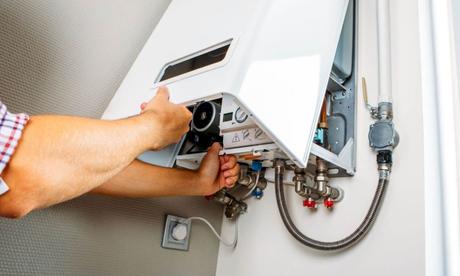
When it comes to new homeowners, installing a boiler is a task of utmost importance.
Although it may seem complex, proper knowledge and preparation can ensure a smooth and efficient installation process.
To help you with your boiler installation, here are some essential tips:
Conduct thorough research and select the right boiler
Before starting the installation, it is crucial to research and choose the boiler that best suits your home. Factors such as property size, number of occupants, and heating requirements should be taken into consideration. There are various types of boilers available, including combi boilers, system boilers, and regular boilers. Each type has its own advantages and considerations based on the size of your home and the number of occupants.
Hire a professional installer
Installing a boiler is not a do-it-yourself project. It requires specialized knowledge and expertise, so it is essential to hire a qualified engineer, particularly one who is Gas Safe Registered. Hiring experienced heating engineers with a good reputation is important. Reading online reviews and seeking recommendations can help you find the right professional for the job.
Only professionals have the necessary skills to install the boiler correctly, adhere to safety regulations, and provide any required certifications.
Plan the installation location
The positioning of the boiler is important for both functionality and convenience. Ideally, it should be installed on an external wall to ensure proper ventilation and flue installation. Consider accessibility for maintenance and future repairs as well. Discuss the location with your engineer to determine the most suitable spot.
Check for necessary permissions
Depending on your location and property type, you may need to obtain certain permissions or permits for the boiler installation. Checking with local authorities or building regulations will ensure compliance. Failure to do so can lead to legal issues or potential problems when selling your property in the future.
Upgrade your heating controls
Installing a new boiler provides an opportunity to upgrade your heating controls for improved energy efficiency. Consider installing programmable thermostats, smart controls, or zoning systems that allow independent control of heating in different areas of your home. These upgrades will help you save energy and reduce heating bills in the long run.
Prepare your home
Prior to the installation day, ensure the area where the boiler will be installed is clear. Remove any obstructions and create enough space for the installer to work comfortably. Also, protect nearby furniture or belongings that may be exposed to dust or debris during the installation process.
Schedule regular maintenance
After the boiler installation, regular maintenance is essential to ensure its longevity and efficiency. Scheduling regular servicing by a qualified engineer can help identify and resolve any issues early on, saving you from costly repairs in the future. Maintaining a record of the service history can also be valuable for warranty claims or when selling your property.
By following these tips, you can minimize disruptions to your everyday life and ensure your boiler runs smoothly. Safety should be a priority, so consult professionals to make informed decisions throughout the process.
A well-installed and maintained boiler will provide reliable heating and hot water for years to come.






