


Although the details of Trump's plans remain unclear, we know much about the role immigrants played on the front lines during the pandemic.
Here are some key statistics on immigrant workers in the United States from this analysis and why these numbers are important right now:
The Migration Policy Institute used 2018 census data to calculate the numbers.
Their estimate: 6,259,000 immigrants occupy front-line jobs in the fight against the coronavirus, notably in health care and social services; stories of grocery stores, pharmacies and gas stations; manufacturing of food, medicine, soap and cleaning agents; agriculture, forestry, fishing and hunting; bus, metro and taxi drivers; postal service workers; and scientific research and development.
1 of 4 in the United States doctors are immigrants
38% caregivers at home are immigrants
22% American food industry workers are immigrants
Immigrants play a "disproportionate role in food production", according to MPI, and represent a much larger share of workers in certain occupations.
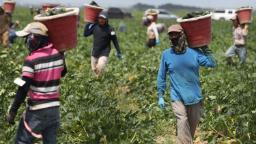
Almost a third of the country's agricultural workers were born abroad, according to census data. But experts warn that official data probably do not provide a complete picture of all agricultural workers in the country, as many are undocumented and are not necessarily included in these counts.
37% workers in the meat processing industry are immigrants
35% agricultural production workers are immigrants
483,000 immigrants work in grocery stores
That represents about 16% of the nearly 3 million food retailers, according to MPI.
69% California farm workers are immigrants
34% metro, bus and taxi drivers are immigrants
6 million immigrants work in industries that lay off large numbers of workers
According to MPI, immigrants are "also overrepresented in some of the non-frontline industries that are devastated as more people follow social distancing guidelines and more states and cities are issuing shelter orders on the spot."
These industries include accommodation and food services; non-essential detail; personal services and private households; arts and entertainment; construction services; non-essential transportation and travel assistance.
For example, 38% of chefs and cooks and 52% of maids and housekeepers are immigrants.
Migrant workers often have less access to relief and public safety nets. And according to MPI's analysis, compared to peers born in the United States in the same industries, they are more likely to have lower incomes and larger families - and less likely to have health insurance.






