Tamil Nadu, Chennai in particular has been incurring the wrath of nature. A decade back there was tsunami in 2004, followed by floods next year; In 2015, Puzhal, Sholavaram, Kaliveli, Pulicat and Maduranthakam lakes around Chennai had overflowed due to unseasonal rains – Chennaites for the first time saw water flowing in full flow in Adyaru, infact overflowing the bridge at Saidapet – walk down to see where the water level and is and one would be surprised as to how it rose to such heights. Now not even two full years later, four main reservoirs - Poondi, Red Hills, Cholavaram and Chembarambakkam have dried up already and the city is facing acute crisis of drinking water. A year later, Cyclone Vardah pounded the city. Comparisons could be invidious !!
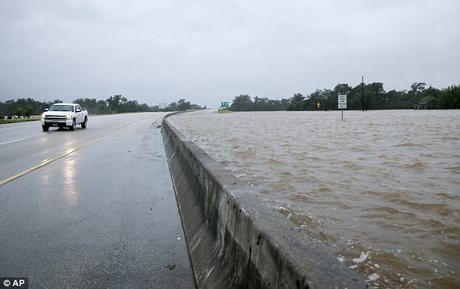
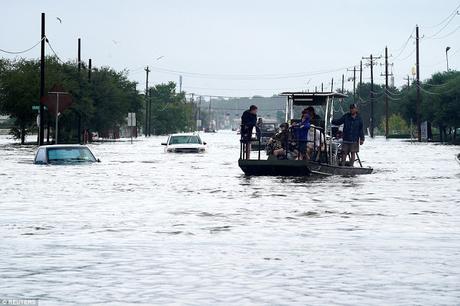
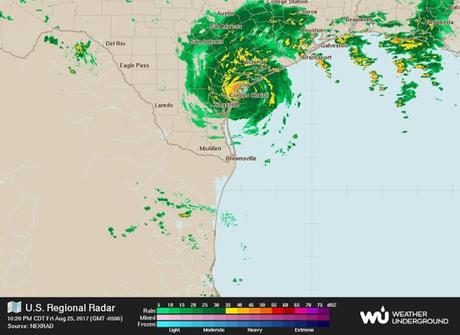
Tens of thousands of miles away, Army has started releasing water from two dams in a desperate effort to stop them from overflowing, sending more water rushing down on the drowning city. The two reservoirs are both nearly full as a result of the unprecedented downpours brought by the storm. They sit approximately 20 miles to the east of city center. If they fail, the water they hold will rush over the already flooded city in an uncontrolled wave, an unthinkable scenario for a city that is already largely underwater. To avert this disaster, officials began draining them slowly on Sunday night. Water is being released at a rate of 2600 cubic feet per second from one and 2000 cubic ft from another. They will gradually increase this speed to 8,000 cubic ft per second as the day goes on. Hurricane Harvey is an active tropical cyclone that is causing unprecedented and catastrophic flooding in southeastern Texas. Tropical Storm Harvey strengthened into a hurricane over the Gulf of Mexico last week and made landfall northeast of Corpus Christi, Tex., around 9:45 p.m. on Friday, 26th Aug 2017. It was a Category 4 hurricane with winds of 130 miles per hour. It then moved offshore before making landfall again on the shore of Copano Bay, this time as a Category 3 hurricane. It brought devastating amounts of rain to an area that includes some of Texas’ most populous cities. It is the first major hurricane to make landfall in the United States since Wilma in 2005, ending a record 12-year period with no major hurricanes making landfall in the United States. Harvey is also the first hurricane to hit the state of Texas since Ike in 2008, and the strongest to hit the state since Carla in 1961. The eighth named storm, third hurricane, and the first major hurricane of the 2017 Atlantic hurricane season, Harvey developed from a tropical wave to the east of the Lesser Antilles, reaching tropical storm status on August 17.
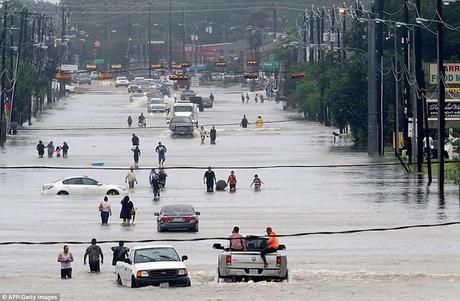
 Reports suggest
that thousands of residents are trapped on their rooftops in flooded Houston as
cops ask people with a boat to help
rescue them amid warnings Hurricane Harvey could be as devastating as Katrina. The
storm dumped 11 trillion gallons of water on Texas, causing a chunk of Houston
to go underwater. The rising waters has
caused the nation's fourth largest city's citizens to flee their homes for
higher ground. Due to the overwhelming number of 911 calls, people are using
social media with heart-breaking pleas for help as the Houston police
department asked any civilians with boats to join them and assist with the more
than 6,000 calls for rescues. Experts said the aftermath of the catastrophic
hurricane could equal the level of destruction of Katrina in 2005.
Members of the
'Cajun Navy' a volunteer group of hundreds of boat owners have set out from Louisiana with their private
boats to help the rescue efforts in Texas after Hurricane Harvey flooded parts
of the state. The National Weather
Service issued a forecast saying the city could get as much as 50 inches, which
would be the highest amount ever recorded in Texas. Highways lay submerged in
water where abandoned cars bobbed alongside rescue boats taking residents to
safety after 130mph winds and unprecedented floods swept through the southeast
pocket of the state on Friday and Saturday.
Harvey has been
downgraded from a Category 4 hurricane to a tropical storm but its threat is
still imminent. Authorities are now fearing its second deadly phase - the
floods. The army has started releasing
water from two Houston dams in a desperate effort to stop them from
overflowing, sending more water rushing down on the drowning city. The Addicks
and Barker reservoirs are both nearly full as a result of the unprecedented
downpours brought by the storm. They sit approximately 20 miles to the east of
Houston's city center. If they fail, the
water they hold will rush over the already flooded city in an uncontrolled
wave, an unthinkable scenario for a city that is already largely underwater. To
avert this disaster, officials began draining them slowly on Sunday night.
Reports suggest
that thousands of residents are trapped on their rooftops in flooded Houston as
cops ask people with a boat to help
rescue them amid warnings Hurricane Harvey could be as devastating as Katrina. The
storm dumped 11 trillion gallons of water on Texas, causing a chunk of Houston
to go underwater. The rising waters has
caused the nation's fourth largest city's citizens to flee their homes for
higher ground. Due to the overwhelming number of 911 calls, people are using
social media with heart-breaking pleas for help as the Houston police
department asked any civilians with boats to join them and assist with the more
than 6,000 calls for rescues. Experts said the aftermath of the catastrophic
hurricane could equal the level of destruction of Katrina in 2005.
Members of the
'Cajun Navy' a volunteer group of hundreds of boat owners have set out from Louisiana with their private
boats to help the rescue efforts in Texas after Hurricane Harvey flooded parts
of the state. The National Weather
Service issued a forecast saying the city could get as much as 50 inches, which
would be the highest amount ever recorded in Texas. Highways lay submerged in
water where abandoned cars bobbed alongside rescue boats taking residents to
safety after 130mph winds and unprecedented floods swept through the southeast
pocket of the state on Friday and Saturday.
Harvey has been
downgraded from a Category 4 hurricane to a tropical storm but its threat is
still imminent. Authorities are now fearing its second deadly phase - the
floods. The army has started releasing
water from two Houston dams in a desperate effort to stop them from
overflowing, sending more water rushing down on the drowning city. The Addicks
and Barker reservoirs are both nearly full as a result of the unprecedented
downpours brought by the storm. They sit approximately 20 miles to the east of
Houston's city center. If they fail, the
water they hold will rush over the already flooded city in an uncontrolled
wave, an unthinkable scenario for a city that is already largely underwater. To
avert this disaster, officials began draining them slowly on Sunday night.
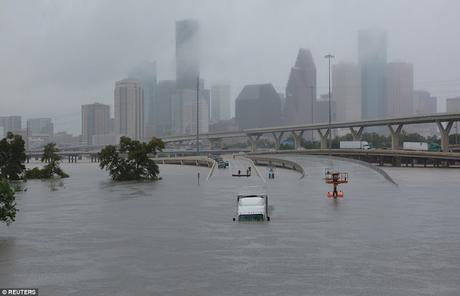 Though better than
the alternative wave of water, the release will make water levels in the
already swamped area Buffalo Bayou rise even more. Thousands of people living
in homes in close proximity to the dams have been advised to flee. There is no
mandatory evacuation in order for them, but authorities are warning residents
to remain on high alert. As a result of the controlled release, the floods in
Buffalo Bayou are expected to rise by another four to six inches per hour. FEMA,
the federal emergency management agency, has warned that it will take Houston
years to recover from the devastation. Some
experts have suggested that the damage will be as drastic as that left behind
by Hurricane Katrina in 2005.
Nature’s fury !!
With regards – S.
Sampathkumar
28th Aug
2017.
Though better than
the alternative wave of water, the release will make water levels in the
already swamped area Buffalo Bayou rise even more. Thousands of people living
in homes in close proximity to the dams have been advised to flee. There is no
mandatory evacuation in order for them, but authorities are warning residents
to remain on high alert. As a result of the controlled release, the floods in
Buffalo Bayou are expected to rise by another four to six inches per hour. FEMA,
the federal emergency management agency, has warned that it will take Houston
years to recover from the devastation. Some
experts have suggested that the damage will be as drastic as that left behind
by Hurricane Katrina in 2005.
Nature’s fury !!
With regards – S.
Sampathkumar
28th Aug
2017.