


Last Updated on 22 October, 2025
Welcome to your complete guide for speedrunning Hotline Miami. Whether you’re just getting into the game or you’ve been following the speed-running scene for a while, this guide gets you up to date with the core techniques, category overviews, route planning, execution tips and community resources. Let’s dive in!
Quick Fact: Although the protagonist is never officially named, fans and later references call him “Jacket.”- Game Overview
- Categories and rules
- Preparation: game version, controls, mindset
- Level-by-level strategy
- General techniques & tricks
- Common mistakes and how to correct them
- Resources & community
- Conclusion
Game Overview

Story and Setting
Hotline Miami is a 2D, top-down action game set in Miami circa 1989. You play as a silent protagonist who receives mysterious messages on his answering machine instructing him to carry out massacres at various locations. The narrative quickly becomes surreal and explains very little explicitly, creating an atmosphere of uncertainty.
- Developer: Dennaton Games.
- Publisher: Devolver Digital.
- Release Date: Windows: October 23 2012
- Genre: Top-down action, shooter.
- Core Loop: Select mask → Enter level → Clear all enemies → Finish the level → Repeat for the next level
Gameplay Mechanics
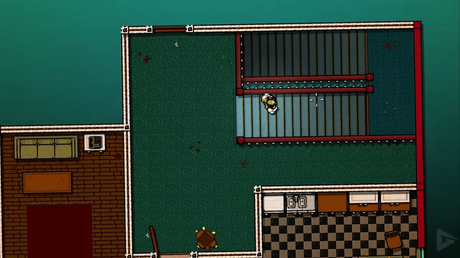
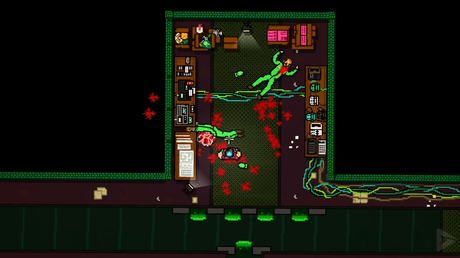
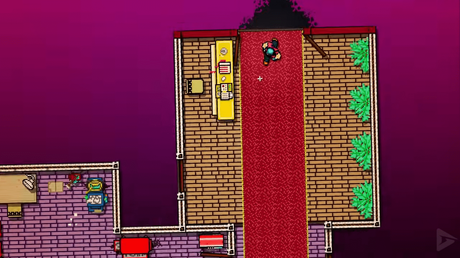
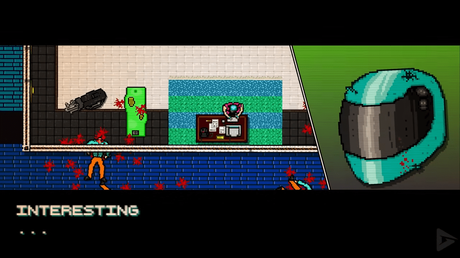
Each chapter begins with your avatar receiving a call, selecting a mask (which grants certain perks or changes gameplay) and entering a building full of armed enemies. You must clear the level by eliminating all enemies through melee weapons, thrown weapons, guns or improvised methods. This typically results in one-hit deaths for both the player and the enemies. The visual style is neon soaked, retro, brutal and fast-paced.
Why It Matters for Speedrunning
Because the game features one-hit deaths, tight layouts and high enemy density, speedrunning the game demands memorization, precision, risk assessment and routing. You’ll need to select masks, plan the fastest path through rooms, manage weapon usage, minimize deaths and optimise transitions between levels. The combination of aggressive action and high penalty for mistakes makes it ideal for the speed-running discipline.
Categories and rules
Here are the most common categories in the Hotline Miami speed-running scene:
- Any%: Finish the game as fast as possible with any allowable skips.
- NG+ / All Levels / All Masks: More specific categories where you might need to complete New Game Plus, all levels, or collect all masks.
- Glitchless vs. with skips: Some runs allow sequence breaks or glitches, others prohibit them. Always check the specific rules for the category you plan to run.
- Platform/Version: The version of the game may affect glitches, performance and route viability. Make sure you’re running the correct version for your category.
Before you begin a serious attempt, join the community to check current rules, leaderboards and category definitions.
Preparation: game version, controls, mindset
Game Version
Make sure you’re running the correct version of the game for your target category. Some versions crash more often or have different memory behavior.
Controls and Settings
- Use a controller or keyboard/mouse depending on your preference and what you can execute best.
- Practice movement, camera, weapon throw and melee attack until it becomes second nature.
- Learn enemy movement patterns, attack timing, and how masks affect your weapon/attack behavior.
- Make sure to disable or manage frame rate drops, input lag or other hindrances. Many runners emphasize that “observation is key” when learning levels.
Mindset
Speedrunning is as much about pattern recognition, planning and consistency as reflexes. Beginners should expect lots of resets and practice runs. Focus on incremental improvement rather than immediately going for world-record.
Level-by-level strategy

Because Hotline Miami is structured in a sequence of numbered levels (e.g., “Metro”, “No Talk”, “Overdose”, etc.), a full run depends on optimising each level’s route, enemy kills and transitions.
- Learn the fastest route through each level. This often involves knowing where kills spawn, where to trigger alarms (or avoid them if beneficial), and how to move room-to-room with minimal downtime.
- Use masks strategically: different masks grant different weapon load-outs or behaviours (for example, a mask may let you carry a certain weapon or have a special melee). Choose the one that aligns with your route.
- Exploit “skips” if allowed in your category: Some routes bypass large chunks of action by using programmed sequence breaks or fast exits.
- Transition quickly between levels: loading, menu time, mask select and skip animations all add up. Practice these “meta” times as well.
- Keep deaths minimal: dying adds time (respawning, repeating sequences). Avoid risky tactics unless they truly save time in expectation.
Example Route Tips
- On levels with patterned enemy guards (patrols, fixed positions) take a moment to memorise their spawn and sight-lines before full execution.
- On levels with many enemies or weapons, use throw-weapons or melee rushes to minimise wait or shoot-out time.
- At the end of a level ensure you trigger the exit as fast as possible: sometimes the final kill or door-open triggers exit animation that you can minimise.

General techniques and tricks

Beyond level-by-level execution, here are some techniques that good runners use:
- Weapon throw-kills: Throwing a weapon across a room to kill an enemy (or multiple enemies) can often be faster than melee kill animations.
- Room clearing without stops: Maintain momentum, so move through adjacent rooms quickly, keep combo count up (even though combo count is more relevant to high-score runs than speed).
- Mask optimisation: Choose the mask that gives you the best weapon-load or melee advantage for the given level. Some masks are faster because they yield simpler weapon pickups or fewer pauses.
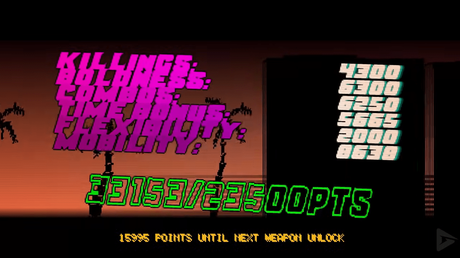
- Skip animations/menu time: Run through mask selection, end-level score screens and loading as fast as possible. Some runners use hotkeys to minimise these transitions.
- Glitch or exploit use (if category-permitted): Some runs exploit early exits or unexpected room-transitions.
- Death management: Sometimes dying and resetting a level is faster than continuing with a sub-optimal route. Knowing when to cut losses is important.
- Consistency over speed: Many routes have tight timing windows. If you push too aggressively early you might fail and lose more time than you would save.
Common mistakes and how to correct them
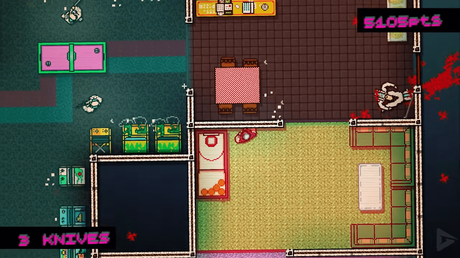
- Entering a room without scouting: Leads to being shot, surrounded or facing unexpected behavior. Fix: pause briefly to watch enemy behavior in a given run, memorise spawns.
- Using a sub-optimal mask or weapon: Slows you down because you might have to change weapons, pick up extra items, or wait for animations. Fix: for each level decide on a “go-to mask/weapon setup” and practice with it.
- Wasting time in the menu or between levels: Many runners underestimate the “dead time” between levels. Fix: practice transitions, make sure you know how to dismiss screens quickly.
- Trying a high-risk skip without enough practice: May save time when perfect but cost more if it fails. Fix: only attempt risky tricks after you have mastered the standard route.
- Getting discouraged by frequent deaths: Speedrunning requires thousands of repetitions. Fix: treat each attempt as data collection, i.e. what went wrong, what to improve.
- Ignoring current rules or version updates: Running the wrong version or violating category rules invalidates a run. Fix: always check the leaderboard and official category definitions before recording.
Resources and community
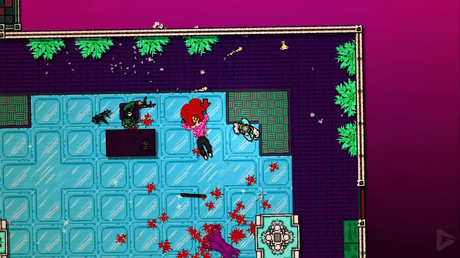
Here are some excellent starting points for deeper engagement:
- The official leaderboards for Hotline Miami gives times, platforms, categories.
- Community-written guides and forums: many runners share spreadsheets, route notes, mask-selections and more.
- Tutorial videos: search YouTube for “Hotline Miami any% tutorial” or “Hotline Miami all masks route”.
- Reddit and Discord discussions for tips and beginner questions: these often reveal new skips, routing improvements and version updates.
Join the community Discord and Reddit forums for real-time advice, updates on new routes, glitches or rule changes.
Conclusion
Speedrunning Hotline Miami offers a thrilling blend of fast-paced action, pattern memorisation and optimisation. So, by preparing properly (version, controls, route), mastering individual levels, applying general techniques and avoiding common mistakes, you can make serious progress. The community resources and leaderboards are active and there’s always more to learn. Most importantly, have fun with it. Each successful run is built on practice, patience and iteration. Good luck, and get that fastest time!






