Water vapor on the windows and formation of mould, all of this results from a lack of ventilation in our living spaces during the winter period. But rest assured, there are several tips to overcome humidity. Here are 6 effective tips to fight against condensation on windows as well as any humidity that can develop in the house.
In winter, interior rearrangements are unavoidable in order to maintain a certain thermal comfort. Which can be both costly and taxing. However, there are economical ways to solve this situation in a simple and lasting way. In this way, humidity can be reduced and its consequences neutralized.
6 Ways to Fight Condensation on Windows and Humidity in Your Home
Condensation on a window. Source: spm
Due to the lack of ventilation in our homes, the level of humidity can increase significantly in winter. Here’s how to fix it.
1. Fight moisture before it spreads
To remedy window fogging, put 1 kg of coarse salt in a bowl and placethe in a central room of the house. Salt is a natural dehumidifier. After a few days, it will have absorbed a large amount of moisture. If you live in a large house, you can also have several bowls of salt, in different rooms, for better results. An effective way to avoid condensation as well as the formation of humidity.
2. Ventilate for a while
To fight against condensation and evacuate excess humidity in your home, we recommend that you open the windows and blinds to ventilate your spaces of life and allow at the‘air to circulate. An operation to be performed daily, for about twenty minutes a day.
3.Use a vacuum cleaner if possible
A moisture absorber could be an alternative to combat the accumulation of condensation on your windows in winter. Otherwise, consider insulating your walls. A solution certainly much more expensive, but which will allow you to reduce your energy bills.
4.Keep heating at constant temperature
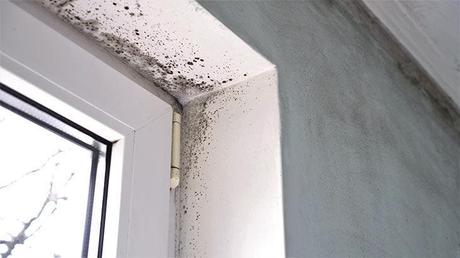
Traces of humidity. Source: spm
This will have the effect of preventing the cooling which promotes the spread of humidity. In addition, when you open a window to ventilate your home, some connected heaters automatically detect the drop in temperature and reduce their own temperature to avoid emitting unnecessary heat.
5. Move indoor plants
Plants release moisture into the air. It would be best to keep them away from windows and glass doors at least until the end of winter.
6. Move furniture
If some of your furniture is too close to the walls, we also recommend that you move towards the center of the room where they are willingto promote air circulation within your interior during this humid and cold period.
Humidity is one of the most common winter problems, so it’s important not to overlook its effects on your living space. In addition, pay attention to damp spots because they can represent a real nest of bacteria.
Read also Bathroom without windows that smells damp? The grannies’ trick to keep it fragrant all day
Via SPM