Ticks are annoying, tiny, blood-sucking parasites that can transmit various diseases to humans, such as Lyme disease and Rocky Mountain spotted fever. As hiking often takes you into tick-prone areas like tall grasses, forests, and fields, it’s essential to know how to protect yourself and what to do if a tick latches on. Here’s our guide:
1. Understand Tick Habitats
Ticks thrive in moist and humid environments, predominantly in grassy, brushy, or wooded areas. Recognize these habitats and be especially cautious when you’re in them.
2. Dress Smartly
- Light-Colored Clothing: Wearing light colors can help you spot ticks more easily.
- Long Sleeves and Pants: Covering up reduces the amount of exposed skin a tick can latch onto. Tuck your pants into your socks to prevent ticks from crawling up your legs.
- Closed-Toe Shoes: Essential when hiking in any condition, they also offer protection from ticks.
3. Use Tick Repellents
Products containing DEET, picaridin, or lemon eucalyptus oil can be applied to the skin. Permethrin, a potent tick repellent, can be sprayed onto clothing and gear. If you’re wondering about the environmental impact of DEET, you should read this article about a study conducted on the impacts of bug repellents.
4. Stay on the Trail
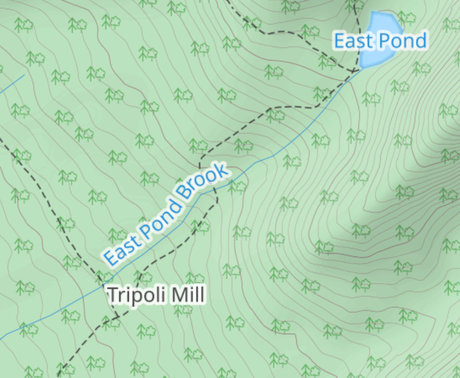
Stick to the center of trails and avoid brushing up against tall grasses or shrubs. Off-trail or grassy areas can increase the chances of encountering ticks. When you are using hiking routes found on any hiking app like HiiKER, it’s important to look at the details of the map to get an understanding if you will be walking through areas prone to ticks.
5. Perform Regular Tick Checks
After hiking, examine yourself and your gear. Key areas to check include the underarms, in and around the ears, inside the belly button, back of the knees, all around the waist, and especially in the hair.
6. Shower After Your Hike
Taking a shower within two hours of coming indoors can help wash off unattached ticks and offers a fresh opportunity to conduct a tick check.
If You Find a Tick on You:
- Stay Calm: Finding a tick on you can be alarming, but it’s crucial to remain calm and remove it as soon as possible.
- Use Fine-Tipped Tweezers: Grasp the tick as close to the skin’s surface as possible and pull upward with steady, even pressure. Thoroughly clean the bite area and your hands with rubbing alcohol or soap and water.
- Save the Tick: Place the tick in a sealed bag or container. If you develop symptoms in the next few weeks, having the tick can help doctors in diagnosing potential diseases.
- Monitor for Symptoms: Fever, chills, aches, pains, or a rash around the bite area can be signs of tick-borne diseases. If you notice any of these symptoms, see a doctor immediately.