


Most organizations need some framework that encrypts data. This encryption protects communications between a website and its users. This way, users’ data are not public for the world to see. The most common encryption type is the Public Key Infrastructure (PKI). This article focuses on how Microsoft PKI works and its benefits. But what is PKI itself?
What is PKI?
PKI combines hardware, policies, software, roles, and procedures. They help create, manage, distribute, and use digital certificates. It doesn’t end there. It stores and revokes digital certificates and manages public-key encryption.
The goal of a PKI is to make it easier for people to send and receive private information over the internet. It helps in activities where basic passwords can’t verify the identities of the people communicating. Also, it ensures that the data they are exchanging is safe.
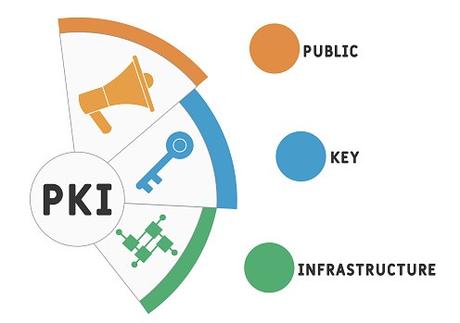
There are several examples of PKI security being used today. They include SSL certificates that ensure visitors send information to the right person.
How Does Microsoft PKI Work?
A Microsoft PKI keeps track of your certificates and keeps them safe. This feature helps reduce the amount of traffic that isn’t secure or signed. You can install and configure certification authority roles to set up a PKI environment on more than one Windows server.
People also refer to the registration authority (RA) as a subordinate CA in a Microsoft PKI. Certificate requests, issued, and revoked certificates save on the CA or RA.
There is a term called Active Directory Certificate Services in a Windows system. It conducts PKI operations, supports personas, and provides other security features. It also approves and rejects public key endorsements for an association’s internal duties.
7 Benefits of Microsoft PKI
Authentication
PKI makes it easier for people to get and use public encryption keys. Users and computers can use PKI to authenticate the identity of two parties. It also securely transmits data through private and public networks.
With PKI, both sides can be sure the person they’re communicating with is who they claim they are. A digital certificate from a certificate authority provides proof of identification (CA).
Image Source
It uses one public key and one private key to encrypt and decrypt data. So, only the person who has them can read and write them. The public key is part of a digital certificate in a publicly accessible directory.
A digital certificate connects a person’s name to their public key. The digital certificate is signed by the CA using its private key. For the entire chain to be trusted, we must trust one entity, the certificate authority.
Ensures Integrity
Data integrity refers to the quality and validity of data through its life cycle. After all, businesses don’t need hacked and lost data. So, data integrity is essential to many enterprise security solutions.
Online companies dealing with websites need to have some integrity. They need to ensure that nothing changes any transactions or information they send.
Integrity also helps to make sure that messages don’t get mixed up. Microsoft PKI makes all these possible. It has two keys and is more secure than symmetric cryptography. Using public-key encryption, you don’t have to exchange private keys. Therefore, it makes it easier to keep track of your keys.
Privacy
Public Key Infrastructure has been the foundation of IT security for a long time, and it still is. The goal of Microsoft PKI is to let the property be checked without anyone being able to link it to the CA’s information.

(Image Source)
It shouldn’t be possible if the verifier and the CA work together. Digital certificates are the way to keep data safe. Also, messages can be encrypted so that no one else can read them while they’re in the mail or when they get to their destination.
Non-repudiation
Non-repudiation is the certainty that someone cannot deny the legitimacy of anything. PKI is a system for signing electronic transactions analogous to signing a document.
It is possible to make a unique signature with a PKI. This, along with the right policies, ensures that the sender can’t deny or repudiate a message.
PKI Increases Trust
PKI improves internet trust by providing a system and infrastructure for securing data. It also connects user and device identities and maintains data integrity. You can use Microsoft PKI to create digital certificates that verify the identity of users and devices.
PKI is Highly Scalable
Users are responsible for their certificates, and certificate authentication is limited to data exchange between the client and the server. This eliminates the need for a third-party authentication service to be available. As a result, the number of users PKI can support is limitless.
Allows Assigned Trust
Certificates from popular and trusted organizations can prove that a person is who he says he is to a server the first time he connects.
Conclusion
Public Key Infrastructure (PKI) is a complicated topic but serves many benefits. It combines digital certificates, public-key cryptography, and certifying authority into a single network security framework. So, it’s essential to use Microsoft PKI to develop your online business.
The post How Does Microsoft PKI Work? Here Are Its 7 Benefits first appeared on YouthSpeaks - Latest News About Business, Technology and More..






