



Swimming is a great way to cool off and stay active—but it could also make you sick. Each year, an estimated 90 million people in the U.S. suffer waterborne illnesses caused by bacteria, viruses, and parasites lurking in pools, lakes, rivers, and oceans.
In this article, we’ll cover how recreational water becomes contaminated, five common water illnesses to watch for, and how to protect your health at the pool or beach—and at home.
What Is Recreational Water?
According to the Tennessee Department of Health, recreational water includes both treated (pools, hot tubs, splash pads) and untreated (lakes, rivers, oceans) bodies of water used for swimming, boating, and more.
How Does Water Get Contaminated?

Even clean-looking water can harbor pathogens. Here’s how:
- People and Pets: Germs can spread through sweat, saliva, urine, and especially traces of human waste. Even a small amount can contaminate a large area. According to the U.S. Department of Agriculture, just one gram of waste in a pool can affect an area the size of 25 football fields. Animals like birds and dogs can also contribute.
- Runoff Pollution: Stormwater can wash manure, sewage, and chemicals into lakes and streams—polluting drinking water and swimming spots alike.
- Naturally Occurring Germs: Some pathogens, like cyanobacteria, naturally live in freshwater. When conditions are right, they multiply rapidly into harmful algal blooms (HABs).
How Do Germs Enter the Body?
You can get sick by:
- Swallowing water
- Breathing in mist
- Germs entering through ears, eyes, nose, cuts, or wounds
Cryptosporidium, for example, can infect with as few as 10 organisms. Others, like Salmonella, may require tens of thousands.
5 Common Swimming Illnesses
- Swimmer’s Ear (Otitis Externa): Caused by trapped water that allows bacteria to grow in the outer ear canal. Symptoms include pain, itching, discharge, and temporary hearing loss. According to Johns Hopkins Medicine, the water irritates or inflames the surrounding skin and breaks the skin barrier, allowing the bacteria to get in and cause infection.
- Cryptosporidiosis: One of the most common RWIs, caused by Cryptosporidium, which is resistant to chlorine. Symptoms: watery diarrhea, nausea, vomiting, cramps, and weight loss. Learn more: Crypto in drinking water
- Giardiasis (“Beaver Fever”): A gut infection from Giardia lamblia. Spread via feces from infected people or animals. According to Medical News Today, symptoms include bloating, greasy stools, cramps, and nausea. It may last for weeks or months.
- Hot Tub Rash (Pseudomonas Dermatitis): Results from Pseudomonas aeruginosa in improperly sanitized spas. Red, itchy bumps appear where swimwear traps water.
- Gastroenteritis: The most common illness with swimming in water polluted by sewage. Often linked to E. coli, Salmonella, or Campylobacter from contaminated water. It can cause severe dehydration and hospitalization.
Water Safety Tips for Swimming
These are the top ways to prevent swimming-related illnesses:
- Avoid cloudy, smelly, or discolored water
- Don’t swallow water; use ear and nose plugs
- Dry off thoroughly and shower after swimming
- Cover wounds with waterproof bandages
- Stay out of the water if you’re sick
- Use swim diapers for infants and take bathroom breaks
Can Swimming Germs Get into Tap Water?
Yes—especially if water isn’t properly treated or the pipes are damaged.
- Improper Disinfection: Municipal water may still contain chlorine-resistant pathogens like Crypto and Giardia if treatment isn’t thorough. Related: What is a Boil Water Advisory?
- Aging Infrastructure: Leaky or broken pipes allow pathogens from soil and stormwater to enter the drinking water supply.
How to Protect Your Home’s Drinking Water
- Boil Your Water: Boiling for 1–3 minutes kills bacteria, viruses, and parasites.
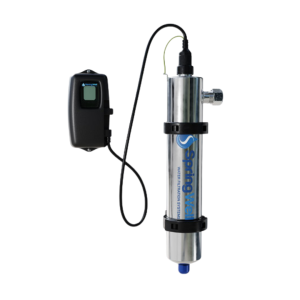
- Use a UV Purification System: Systems like the Springwell UV Water Purifier destroy 99.99% of germs, including chlorine-resistant ones like Crypto and Giardia. Learn how UV systems work here.
The Bottom Line on Waterborne Illnesses
Swimming is a summer favorite—but it’s not risk-free. Stay alert to signs of contaminated water and take action to protect your family from swimming illnesses at home and outdoors. With a few precautions and a reliable water purification system, you can enjoy safer water all season.






