


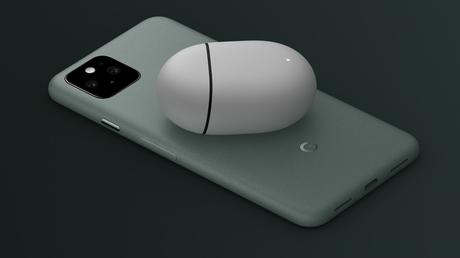
The Pixel 5 was officially announced by Google during the Launch Night In event, along with other hardware like Nest Audio, Chromecast with Google TV, and Pixel 4a 5G.
The Pixel 5 is Google's flagship smartphone this year and offers improvements over the 4a such as more RAM, a display with a high refresh rate, wireless charging and an aluminum construction. It's the phone that many of us have been waiting for, especially in this Sorta Sage color.
Do not miss: Google Pixel 5 Buying Guide: All You Need To Know
But how exactly did Google pair wireless charging with an aluminum phone? For years, companies have been forced to use glass or polycarbonate for wireless charging because the charging signal cannot be passed through metal. While we loved the build quality of other aluminum phones like the Nexus 6P, wireless charging had to change the building materials.
Aluminum with "skin"
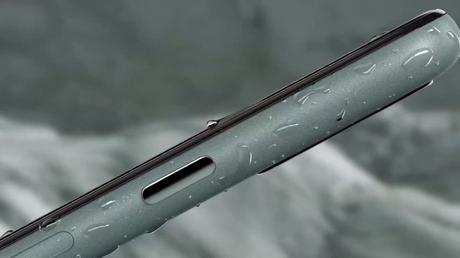
While Google technically uses aluminum for the Pixel 5's hardware, there's another layer right above it. Google calls this material bio-resin, which is a really quirky name for super-thin plastic. This is what you will feel when you hold the device, but the aluminum underneath gives structure to the Pixel 5.
This allowed Google to cut a physical hole in the Pixel 5's aluminum case to place the wireless charging coil. Google says you shouldn't be able to feel the coil as the resin appears to be very sturdy despite its thin design.
When we pushed on Google why this decision was made instead of just using glass or plastic, their response had to do with something I didn't suspect: thinness.
Mo battery, mo problems
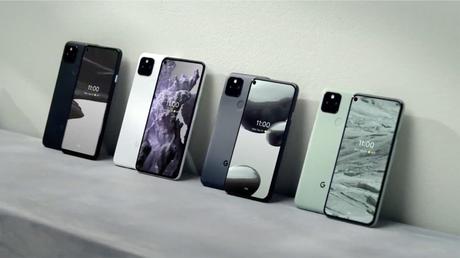
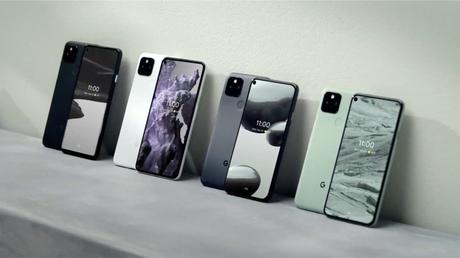
With the Pixel 5, Google uses the largest battery in a Pixel device to date with 4,080 mAh. While this is not much larger than other manufacturers, Google wanted to make sure it kept a small footprint that is in line with other devices in the Pixel family. By using an aluminum frame with this super-thin bio-resin "skin", it was able to maintain the desired thickness while also making the phone look first class.
Personally, I'm excited to keep the Pixel 5 to myself. Aluminum phones, on average, are much tougher than glass phones because they are nowhere near as easy to crack. How this bio-resin will withstand drops and cracks remains to be seen, but aluminum plus wireless charging seem like a winning combination.
Are you looking forward to the Pixel 5? Let us know.







