


Courtesy of Premium
Wines of Romania
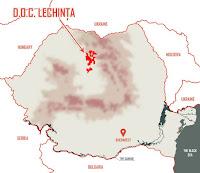
The geography of Transylvania is favorable to grape-growing as it spans the 47th parallel, very similar to southern Alsace and northern Burgundy. It has a temperate-continental climate providing hot, dry summers; warm autumns; and cold, harsh winters -- with regular snowfalls. The Lechinţa DOC is dominated by brown and clay-iluvial soils, rich in calcium and iron. Vineyards are typically planted at 300-500 meters (1,000-1,600 feet) high. White wine grapes such as the indigenous Fetească Albă and Fetească Regală dominate but there are significant plantings of Fetească Neagra.
 Fetească Neagra is a dark-skinned red wine grape variety native to the Republic of Moldova and Romania, whose name means "black maiden". It is an attractive grape to winegrowers because it is resistant to both cold temperatures and drought conditions. The grape ripens late and has thick skins, leading to wines with an excellent concentration of anthocyanins which provide more pigment to the wines. Fetească Neagra wines are typically spicy, with smoky fruit characters and good tannin structure.
Valea Ascunsă (Hidden Valley Winery) is a new winery located in Teaca that farms at least 20 hectares in the Lechinţa DOC. From these vines they produce the Roșu de Teaca (Red from Teaca), a wine my family brought home this summer after visiting Romania. The wine is medium bodied with jammy red fruit, slightly spicy, and subtle chocolate. No smokiness, but plenty of acidity.






