 It’s true. College exams are deadly for students’ grandmothers. A study determined that granny death rates spike tenfold before a midterm, and nineteen times before a final exam. One theory is that grannies’ health is undermined by anxiety and stress when their grandchildren face exams. Indeed, the study found that failing students are fifty times likelier to lose a grandmother in the run-up to an exam, compared to non-failing students.
This is reported in Dan Ariely’s book, The (Honest) Truth About Dishonesty. Ariely is a professor of psychology and behavioral economics at Duke.

The book’s main theme is that we all lie and cheat. But that doesn’t make us sociopaths. In fact, we tend to lie and cheat only so much that we can still look in the mirror and see an honest ethical person. We sometimes lie to ourselves.
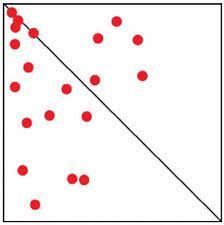
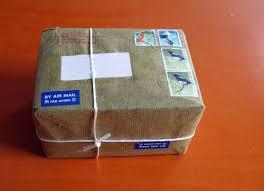
Perhaps I’m quibbling. But most of Ariely’s lab tests entailed honesty along a gradient, falling in shades of gray. Whereas in everyday life ethical questions are often either-or. For instance, in my coin business, I normally send out orders before payment. Perhaps if, Ariely lab style, customers calculated their own bills, there might be some fudging. But when it’s just paying versus not paying, over 99% pay. Some even correct errors made in their favor.
This bespeaks honesty of a high order. Maybe my customers are not a representative cross-section, but I don’t think collectively they’re that unusual. Nor is my business. Most of the world’s commerce proceeds on a basis of mutual trust between trading partners; it’s our default assumption.
This basic level of trust is a fundamental underpinning of civilization. Of course we know we must watch out for violators; we lock our doors. Yet still you assume the average person whose paths you cross won’t bash your head in and grab your stuff. Or that a store won’t sell you defective goods. And so forth. Otherwise civilization could not function.
A recent poll found a significant decline in the percentage agreeing that most people are trustworthy. There’s no evidence we’ve actually become less trustworthy – only that we think people have.