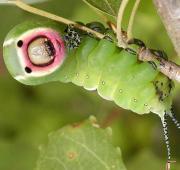
 The puss moth is a generally medium sized species of moth that is found across Europe and in parts of North Africa. The puss moth is not to be confused with the cat-like North American puss moth that is well-known for the incredibly hairy appearance of it's caterpillar. The puss moth caterpillar of Europe is not so hairy but is known to have some very distinctive features themselves.
The puss moth is most commonly found in incredibly dense woodland throughout the European continent and across parts of Northern Africa. The puss moth inhabits areas where there is plenty for them to eat and so are most commonly spotted among willow and poplar leaves. The puss moth is becoming rarer as much of it's native woodland has been threatened by deforestation or air and noise pollution.
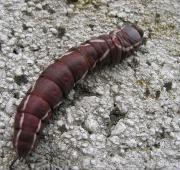
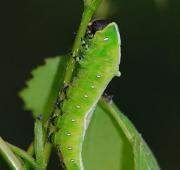
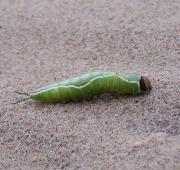
As with other moth and butterfly species, the puss moth has numerous predators to try and avoid within its natural environment. Bats, rats and birds are among the most common predators of the puss moth along with other animals such as frogs and rodents. Despite its best attempts, the aggressive caterpillar of the puss moth is also eaten by many of these animals.
Butterflies and moths are well known for the incredible metamorphic process undergone from the larvae to adult stages. Puss moths start life as caterpillars which eventually fortify themselves in a cocoon where they transform into the adult moth. The puss moth cocoon is known to be one of the hardest of all moth species.
Today, the puss moth is threatened in much of it's native range primarily due to changes within its environment including habitat loss and the introduction of non-native predators into their natural environment.