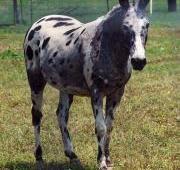
 A mule is the result of the mating of a male donkey (jack) and a female horse (mare) to produce a hybrid. The much rarer hinny is the result of mating a female donkey (jennet) with a male horse (stallion) although the hinny is much harder to produce than the mule. The jennet's reproductive system is more efficient at detecting and eliminating foreign DNA than the mare's is. The hinny conception rate is lower and the miscarriage rate is higher. It really isn't possible to distinguish a mule from a hinny by appearance.
Mules are anatomically normal and show normal breeding behavior unless gelded (castrated) early in life.
A mule is the result of the mating of a male donkey (jack) and a female horse (mare) to produce a hybrid. The much rarer hinny is the result of mating a female donkey (jennet) with a male horse (stallion) although the hinny is much harder to produce than the mule. The jennet's reproductive system is more efficient at detecting and eliminating foreign DNA than the mare's is. The hinny conception rate is lower and the miscarriage rate is higher. It really isn't possible to distinguish a mule from a hinny by appearance.
Mules are anatomically normal and show normal breeding behavior unless gelded (castrated) early in life.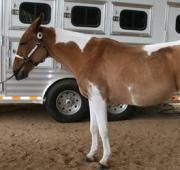 Mules are sterile due to an uneven chromosome count. There are have been a very few rare cases since the 1500s where female mules have been known to produce a foal when mated to a stallion or jack. Males are completely sterile, and as an old muleman said,"Ain't nothing meaner than a stud mule!"
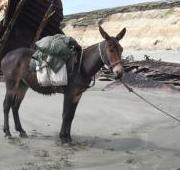
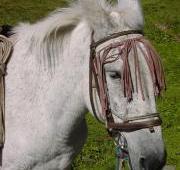
The mule has the patience, endurance, sure footedness, sense, and drought tolerance of the donkey, combined with the size, speed, strength and courage of the horse. Operators of working animals generally find mules preferable to horses as mules have harder skin that is less sensitive than that of horses, meaning that mules can deal with climate extremes such as strong sun and rain more easily. They require less food and water than a horse of the same size. The mules hooves are harder than horses hooves, and both the mule and the mules hooves show a natural resistance to disease and insects.