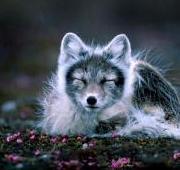
 The Arctic Fox is a small white fox native to the Arctic regions of the Northern Hemisphere. The Arctic fox is commonly found in the colder parts of Canada, Alaska, Northern Asia and Europe. The Arctic fox is also commonly known as the Snow fox or the White fox due to the fact that the Arctic fox has white fur and spends a great deal of time in the cold snow.
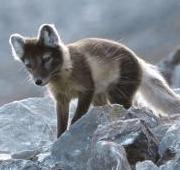 The Arctic fox has extremely thick winter fur, which is apparently the warmest fur of all the mammals. The thick fur of the Arctic fox is definitely an essential for the Arctic fox to continue dwelling successfully in the harsh Arctic terrain where temperatures regularly fall below minus 40 degrees Celsius.
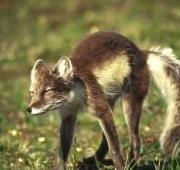
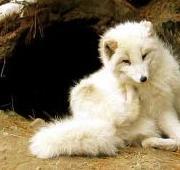
As one of the larger carnivores in the Arctic Circle, the Arctic fox has few natural predators within it\'s freezing environment. Polar bears, wolf packs and humans are only real predators of the adult Arctic fox, along with large birds of prey such as snowy owls, that primarily prey on the smaller and more vulnerable Arctic fox cubs.
The female Arctic fox gives birth to and raises her cubs in the safety of her den, which is a network of tunnels often underground. After a gestation period of a couple of months, the female Arctic fox gives birth to up to 15 cubs which are born at the start of summer and after being nursed by their mother, are fairly independent by the time the Arctic winter starts again.