


wellhealthorganic.com:vitamin-e-health-benefits-and-nutritional-sources: Vitamin E, a powerful antioxidant, has gained attention for its potential immune-boosting effects. Numerous studies have investigated its role in enhancing immune function and protecting against infections. Vitamin E promotes the production of immune cells and antibodies, helping the body combat pathogens effectively. It also plays a crucial role in reducing inflammation, which can contribute to immune system dysfunction.
Additionally, vitamin E’s antioxidant properties protect immune cells from oxidative stress, thereby bolstering their activity. While further research is needed to fully understand the mechanisms behind these benefits, incorporating vitamin E-rich foods such as nuts, seeds, and leafy greens into one’s diet may support a healthy immune system.
What is Vitamin E?

Vitamin E is a fat-soluble vitamin, also known as tocopherol. Tocopherols are a group of antioxidants with Vitamin E activity, often found in multivitamin supplements that help to scavenge free radicals, support immunity and protect the body from oxidative stress. These could include skin supplements and immune system supplements.
It has distinctive antioxidant qualities which, in addition to supporting a healthy immune system, is involved in cell signalling, regulation of gene expression and other metabolic processes.
More simply, Vitamin E is a naturally occurring vitamin that can be found in numerous foods and plants. The vitamin is also readily available in numerous forms and as an over the counter vitamin supplementation. It’s primarily known as a powerful antioxidant, though studies have connected proper Vitamin E consumption to a range of other health benefits.
Health Benefits of Vitamin E
There are many health benefits of vitamin E which support your body in many vital ways. Ensuring your intake is optimal is important for supporting vitamin E function in the body. Some key benefits of vitamin E include:
Vitamin E Supports the Immune System
Vitamin E’s function in the body includes supporting the immune system and helping to prevent diseases. The vitamin contributes to this by supporting the growth of t cells. The role of the t cell is to fight infection. It does this by fighting against infected cells and activating other immune cells for an effective immune response. As a result, Vitamin E is a necessary tool in helping your body fight off (and prevent) infections.
Vitamin E Acts as an Antioxidant
Vitamin E functions in the body, in addition to immune support, thanks to its strong antioxidant qualities. These antioxidant qualities mean it can easily help to support hair growth and healthy skin by reducing cell damage and ensuring that your hair stays sleek and shiny. It may be included in hair, skin, and nails vitamins because of this quality. This also has a similar effect on your skin, ensuring that it stays smooth and blemish-free. In fact, you may notice that many of your skincare products contain extra Vitamin E.
Vitamin E Supplements
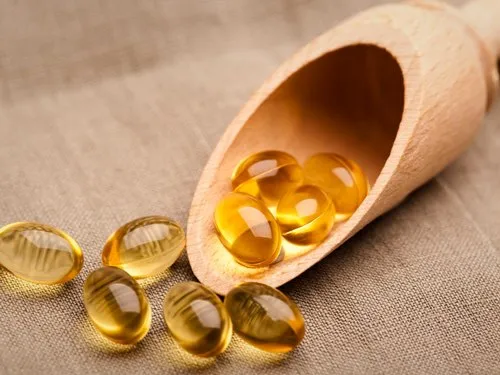
Including the nutrient in your diet can support vitamin E’s function in the body. Supplements can be purchased in the form of tablets from many retailers. Often, they can be purchased in conjunction with other necessary nutrients. Some supplement bundles or multivitamins will also contain other nutrients. These could include vitamin D supplements, vitamin B supplements, or vitamin K supplements. Taking a supplement can contribute to your overall health as well as helping to contribute to vitamin E’s function in the body surrounding immunity.
How Does Vitamin E Support the Immune System?
Vitamin E supports your immune system by assisting with t cell production which is essential for effective immune response. T cells support immune function and a deficiency can have a negative impact on the vitamin E function in the body.
Most importantly, Vitamin E is a powerful antioxidant. To better understand antioxidants, we must first understand why they are needed and how they work.
Every cell contains three main defences against oxidation:
Prevention – each cell prevents free radicals from forming by inactivating catalysts and removing precursors of the free radicals
Interception – each cell consists of chain-breaking antioxidants (such as vitamin C) that scavenge free radicals to stop them from damaging the lipid membranes of the cells
Repair – cells rely on enzymes to help repair DNA or remove damaged parts that cannot be repaired. In some cases, this process results in apoptosis (programmed cell death) so that genetically damaged cells cannot grow.
Our body naturally creates ‘free radicals’ which are oxidised molecules which travel around the body and can cause harm. In order to fight these free radicals, our bodies must make antioxidants. However, sometimes it is simply not possible for our bodies to produce the necessary antioxidants it requires to fight infection. This results in oxidative stress. Oxidative stress is an imbalance of free agents and antioxidants which can be incredibly damaging to the body and can cause oxidative damage.
During oxidative stress, reactive oxygen species that are generated in the mitochondria cause electrons to leak out and stimulate the overproduction of superoxide radicals. If the body does not have enough antioxidant protection to neutralise these toxins, the lipid layers of cells can be damaged which can disrupt their integrity. This can cause an imbalance of vitamins/minerals and amino acids, DNA damage and protein oxidation which causes aging. This is where antioxidants such as Vitamin E come into play. Therefore, by being an antioxidant, vitamin E functions in the body to support your immune system and reduce this oxidative stress.
20 Sources of Vitamin E
There are numerous reasons as to why you should try and increase the amount of Vitamin E you consume – within healthy limits. Luckily, it is readily available in numerous forms. Including vitamin E supplements as well as dietary sources of vitamin E can encourage your intake. This essential nutrient is available in fruits, vegetables, as well as nuts and seeds.

- Vitamin E supplements
- Sunflower seeds
- Almonds
- Hazelnuts
- Peanuts
- Pistachios
- Sunflower seeds
- Brazil nuts
- Avocado
- Kiwi
- Mango
- Blackberries
- Blackcurrants
- Raspberries
- Broccoli
- Butternut squash
- Asparagus
- Spinach
- Green beans
- Green leafy vegetables
The great thing about vitamin E is that it is available in lots of different food sources. Whilst some nutrients are commonly found in meats, fish, and dairy products, which can make it difficult for those with dietary restrictions. At BetterYou, we have vegan supplements, vegetarian supplements, and gluten-free supplements. This makes sure everyone can encourage their nutrition intake, even those following a specialised diet.
The post Exploring the Immune-Boosting Effects of Vitamin E first appeared on .






