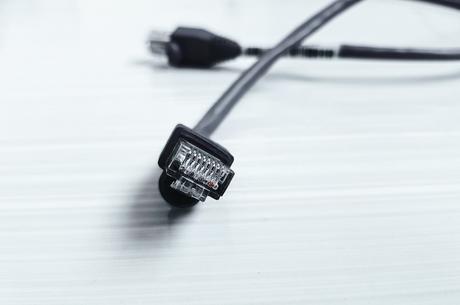
Ethernet Splitter Vs Switch, Ethernet is a widely used technology that allows devices to connect and communicate over a local area network (LAN). When it comes to expanding your network or connecting multiple devices, you might come across two common solutions: Ethernet splitters and switches. While both devices serve a similar purpose, there are some important differences that you should be aware of to make an informed decision. In this article, we will explore the differences between Ethernet splitters and switches and discuss their key characteristics and use cases.
Read More: 11 Ways to Find the Best Gaming Laptop in 2023
Ethernet Splitter
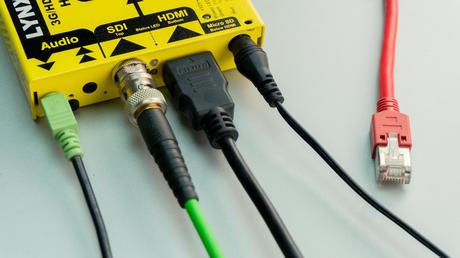
Ethernet Splitter Vs Switch, An Ethernet splitter, also known as a network splitter or LAN splitter, is a simple device that allows you to split a single Ethernet cable into multiple ports. It is often used in situations where you need to connect multiple devices to a single Ethernet port, such as in home or small office setups. The splitter works by dividing the incoming Ethernet signal into multiple signals, allowing each device to communicate independently.
Ethernet splitters offer several benefits, such as cost-effectiveness and simplicity. They are easy to set up and require no additional power supply. However, they have limitations as well. Splitters do not provide network segmentation, which means all devices connected to the splitter share the same network segment. This can result in potential security risks and limited network performance.
Ethernet Splitter Vs Switch, Ethernet splitters are commonly used in scenarios where network segmentation is not a requirement, such as in small home networks or temporary setups. They are suitable for basic networking needs and can be a budget-friendly option.
Ethernet Switch
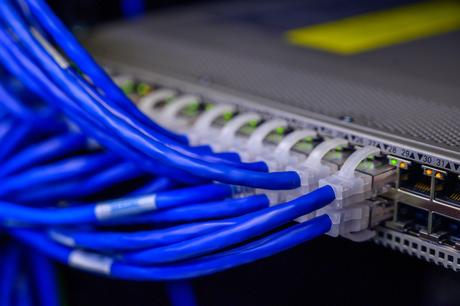
An Ethernet switch, on the other hand, is a more advanced networking device that offers greater functionality and control. A switch connects multiple Ethernet devices, such as computers, printers, and servers, and allows them to communicate with each other within a network. Unlike a splitter, a switch creates separate collision domains, which improves network performance and security.
Ethernet Splitter Vs Switch, Switches are available in various configurations, including unmanaged, managed, and PoE (Power over Ethernet) switches. Unmanaged switches are plug-and-play devices that require no configuration, making them suitable for small networks. Managed switches, on the other hand, provide advanced features like VLANs (Virtual Local Area Networks), QoS (Quality of Service), and port mirroring, giving network administrators greater control over the network.
Ethernet switches offer higher performance and greater bandwidth compared to splitters. They provide dedicated connections between devices, eliminating network congestion and allowing for simultaneous data transfers. Switches are commonly used in medium to large-scale networks, where network segmentation, performance, and security are crucial.
Key Differences between Ethernet Splitter and Switch
- Network Structure:
- A splitter shares a single network segment among connected devices, while a switch creates separate collision domains for each port.
- Performance and Bandwidth:
- Ethernet Splitter Vs Switch, Splitters divide the available bandwidth among connected devices, potentially leading to slower network speeds, especially when multiple devices are actively transmitting data. Switches, on the other hand, provide dedicated bandwidth to each port, allowing for higher performance and faster data transfers.
- Network Segmentation:
- Splitters do not provide network segmentation, meaning all devices connected to the splitter share the same network segment. This lack of segmentation can impact security and limit the ability to isolate and control network traffic. Switches, however, offer network segmentation through the use of VLANs, enabling better security and network organization.
- Management and Control:
- Ethernet splitters are typically simple and passive devices that do not require any configuration or management. They are essentially plug-and-play solutions. Switches, on the other hand, offer more advanced management capabilities, allowing network administrators to monitor and control network traffic, apply security measures, and optimize network performance.
- Expandability and Scalability:
- Splitters have limited expandability since they divide a single Ethernet port into multiple ports. If you require additional connections beyond the number of available ports on the splitter, you would need to use additional splitters, which can become impractical. Switches, on the other hand, come with a varying number of ports, allowing for easy expansion and scalability as your network grows.
- Power Requirements:
- Ethernet Splitter Vs Switch, Ethernet splitters do not require any additional power supply, as they are passive devices that rely on the power provided by the Ethernet cable. Switches, particularly PoE switches, can provide power to connected devices through the Ethernet cable, eliminating the need for separate power adapters.
- Cost Considerations:
- Ethernet splitters are generally more affordable compared to switches. They are suitable for basic networking needs in small setups where cost is a significant factor. Switches, especially managed switches with advanced features, tend to be more expensive but provide greater control, performance, and security, making them suitable for medium to large-scale networks.
Choosing Between an Ethernet Splitter and Switch
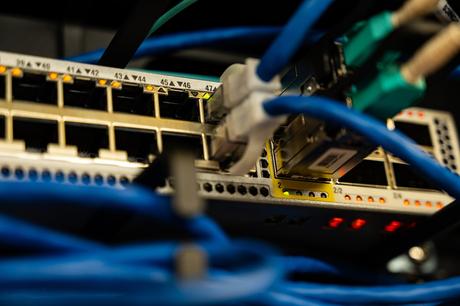
When deciding between an Ethernet splitter and a switch, there are several factors to consider. If you have a small home network or a temporary setup and network segmentation and advanced management features are not critical, an Ethernet splitter can be a cost-effective solution. However, if you have a medium to large-scale network or require network segmentation, performance, and control, an Ethernet switch is the recommended choice.
Ethernet Splitter Vs Switch, It’s also essential to consider future scalability. If you anticipate the need for additional ports or advanced network management features, it’s advisable to invest in a switch upfront to accommodate future expansion, rather than relying on splitters, which can become cumbersome and limit network performance.
Common Misconceptions
Ethernet Splitter Vs Switch, There are a few common misconceptions regarding Ethernet splitters and switches that are worth addressing:
- Can an Ethernet Splitter Replace a Switch?
- While splitters and switches serve similar purposes of connecting multiple devices, splitters cannot fully replace switches. Splitters lack the network segmentation and advanced management features that switches provide. If you require better network performance, security, and control, a switch is necessary.
- Can a Switch Be Used as a Splitter?
- Ethernet Splitter Vs Switch, A switch cannot be directly used as a splitter. Each port on a switch is designed to connect to a single device, whereas a splitter divides a single Ethernet connection into multiple ports. If you need to connect multiple devices to a single Ethernet port, an Ethernet splitter is the appropriate solution.
Ethernet Splitter Vs Switch, Conclusion
In conclusion, Ethernet splitters and switches are two distinct networking devices with their own advantages and use cases. Ethernet splitters offer simplicity and cost-effectiveness, making them suitable for basic networking needs in small setups. They allow you to connect multiple devices to a single Ethernet port. However, they lack network segmentation, may result in slower network speeds when multiple devices are actively transmitting data, and provide limited control and security.
On the other hand, Ethernet switches provide greater functionality, performance, and control. They create separate collision domains, offering dedicated bandwidth to each connected device. Switches support network segmentation through VLANs, allowing for better security and organization of network traffic. Managed switches provide advanced features for network optimization and administration.
Ethernet Splitter Vs Switch, When choosing between an Ethernet splitter and a switch, consider the size and future scalability of your network, the need for network segmentation, performance requirements, and budget constraints. If you have a small network with basic needs, a splitter may suffice. However, for medium to large-scale networks or those requiring advanced control and segmentation, a switch is the recommended choice.
Ethernet Splitter Vs Switch, To address some misconceptions, it’s important to note that an Ethernet splitter cannot fully replace a switch, as it lacks network segmentation and advanced management features. Similarly, a switch cannot be used as a splitter, as each port on a switch is designed for a single device connection.
Ethernet Splitter Vs Switch, In conclusion, understanding the differences between Ethernet splitters and switches is crucial for making informed decisions about your network infrastructure. Consider your specific requirements, network size, and future expansion plans when choosing the appropriate device. By selecting the right solution, you can optimize network performance, enhance security, and facilitate efficient communication among connected devices.
FAQs (Frequently Asked Questions)
- Can I use an Ethernet splitter to connect multiple devices in a large office network?
- Ethernet Splitter Vs Switch, Ethernet splitters are more suitable for small setups or temporary solutions. For large office networks, it is recommended to use Ethernet switches for better performance, network segmentation, and management.
- Do I need a managed switch for my home network?
- In most cases, a managed switch is not necessary for a typical home network. Unmanaged switches are usually sufficient for basic networking needs. However, if you have specific requirements or advanced features you wish to utilize, a managed switch can provide more control and flexibility.
- Can an Ethernet splitter affect network speed?
- Ethernet Splitter Vs Switch, Yes, using an Ethernet splitter can potentially result in slower network speeds, especially when multiple devices are actively transmitting data. This is because the available bandwidth is divided among the connected devices.
- Can I connect a switch to an existing Ethernet splitter?
- Yes, you can connect a switch to an existing Ethernet splitter to expand your network further. This allows you to increase the number of available ports and take advantage of the advanced features provided by the switch.
- Are PoE switches only necessary for devices requiring power over Ethernet?
- Ethernet Splitter Vs Switch, PoE switches are specifically designed to provide power to devices over the Ethernet cable. If you have devices that require power over Ethernet, such as IP cameras or wireless access points, a PoE switch is necessary. Otherwise, a standard switch will suffice.