Research used to feel like a giant library with no lights on. Now imagine a smart helper that turns on the lights, reads many languages, sorts the shelves, and hands you the best notes. That is what enterprise AI platforms for multilingual research analysis can do. They help teams study huge amounts of text, audio, reports, chats, and data from around the world.
TLDR: Enterprise AI platforms help companies analyze research in many languages at once. They translate, summarize, compare, and find patterns across global data. This saves time and helps teams make better decisions. The best platforms are secure, easy to use, and built for real business work.
What Is an Enterprise AI Platform?
An enterprise AI platform is a big, smart software system for companies. It is not just a chatbot. It is more like a research command center.
It can connect to many tools. It can read documents. It can search databases. It can help teams ask questions and get useful answers.
The word enterprise means it is made for large organizations. These may be banks, hospitals, universities, law firms, tech companies, or global brands.
These groups have lots of data. Often, too much data. They need help. AI gives them a very fast pair of eyes.
Now add multilingual research analysis. That means the platform can work with many languages. English. Spanish. Chinese. Arabic. French. German. Japanese. Hindi. And many more.
This is a big deal. The world does not speak in just one language. Great ideas live everywhere.

Why Multilingual Research Matters
Let us say a company wants to launch a new product in ten countries. It needs to understand people in each market.
What do customers like? What do they dislike? What words do they use? What local trends matter?
If the team only reads English sources, it misses a lot. It may miss local news. It may miss social posts. It may miss customer complaints. It may miss competitor moves.
That is risky.
A multilingual AI platform helps by reading and analyzing content in many languages. It can spot patterns across regions. It can compare opinions. It can show how ideas change from country to country.
This turns messy global information into clear business insight.
The Simple Magic Behind It
Enterprise AI platforms use several types of technology. The names can sound fancy. But the ideas are simple.
- Translation: The platform turns text from one language into another.
- Summarization: It turns long documents into short notes.
- Search: It finds the right information fast.
- Classification: It sorts content into groups.
- Sentiment analysis: It checks if people sound happy, angry, worried, or excited.
- Topic modeling: It finds common themes in large sets of data.
- Entity recognition: It spots names, places, brands, products, and dates.
Put these together, and something cool happens.
The platform can read 50,000 survey answers in 12 languages. Then it can tell you the top concerns, top requests, and top trends. In minutes.
A human team could do this too. But it might take weeks. And a lot of coffee.
Where the Data Comes From
Research data can come from many places. Some are neat. Some are wild. Some are like a sock drawer after laundry day.
Enterprise AI platforms can connect to:
- Market research reports
- Academic papers
- Customer surveys
- Support tickets
- Call center transcripts
- Social media posts
- News articles
- Internal documents
- Legal files
- Product reviews
- Sales notes
- Meeting transcripts
This is powerful because research is rarely in one place. It is scattered. AI helps gather the puzzle pieces.
What Makes It “Enterprise”?
A consumer AI tool may be fun. It may write a poem about your cat. Great. We love the cat.
But an enterprise platform must do much more. It must be safe. It must be controlled. It must work with company systems.
Important enterprise features include:
- Security: Data must be protected.
- Access controls: Only the right people can see the right content.
- Audit logs: Teams can track who did what.
- Compliance: The platform must follow laws and rules.
- Data governance: Data must be organized and managed well.
- Integration: It should connect to tools the company already uses.
- Scalability: It must handle large amounts of work.
- Human review: Experts can check important outputs.
In short, enterprise AI must be smart and responsible.

How It Helps Research Teams
Research teams often face the same problem. Too much information. Too little time.
AI can help in many practical ways.
1. Faster Literature Reviews
Researchers can upload papers in different languages. The platform can summarize them. It can list key findings. It can compare methods. It can find gaps.
This makes the first stage of research much faster.
2. Better Market Intelligence
Companies can track news, reviews, and competitor updates worldwide. The platform can show what is changing in each region.
It might say, “Customers in Brazil are asking for lower prices.” Or, “Shoppers in South Korea care more about packaging.”
That is useful. Very useful.
3. Global Customer Understanding
Customer feedback is gold. But it can be hard to mine.
AI can scan thousands of reviews and support messages. It can find common complaints. It can detect emotional tone. It can group feedback by product, region, and language.
This helps companies improve faster.
4. Smarter Risk Detection
Some teams use AI to watch for risks. These may include legal risks, supply chain issues, political changes, or public opinion shifts.
If something important appears in local news, the platform can flag it.
This helps leaders react before small problems become giant flaming beach balls.
5. Cleaner Knowledge Sharing
Research often gets trapped in silos. One team knows something. Another team needs it. Nobody connects the dots.
An AI platform can create a shared knowledge base. People can ask questions in their own language. The system can answer using approved company data.
This is like giving the whole company a wise librarian who never sleeps.
Multilingual Does Not Mean Perfect
AI translation has improved a lot. But it is not magic dust.
Languages are tricky. Words have cultural meaning. Humor can be weird. Slang changes fast. One phrase may mean different things in different places.
For example, a “hot product” may mean popular. It does not mean the product is on fire. We hope.
So companies should not trust AI blindly. The best approach is AI plus humans.
AI does the heavy lifting. Human experts check the meaning. Local teams add context. Together, they get better results.
Key Features to Look For
If a company wants to buy or build an enterprise AI platform, it should look for the right features.
- Strong multilingual support: It should handle the languages your teams need.
- Source citations: Every answer should show where it came from.
- Custom glossaries: The platform should learn company terms and industry words.
- Role based access: Sensitive data must stay limited.
- Human feedback tools: Users should rate and correct answers.
- Bias checks: The system should help spot unfair or weak outputs.
- Workflow tools: Research tasks should move from person to person easily.
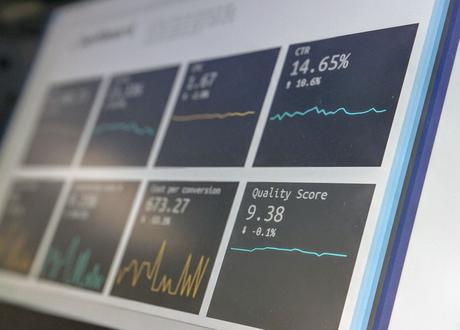
- Dashboards: Leaders need clear charts and summaries.
- APIs: Developers need ways to connect the platform to other systems.
Good platforms do not just answer questions. They help teams work better.
A Fun Example
Imagine a global snack company. It wants to know how people feel about a new spicy chip.
The company gathers reviews from Mexico, Japan, Germany, India, and Canada. The comments are in many languages. Some people love the chip. Some say it is too spicy. Some say it is not spicy enough. A few people just post fire emojis.
The AI platform reads it all.
It finds that customers in Mexico like the heat but want more lime. Customers in Japan like the crunch but prefer smaller bags. Customers in Germany want clearer ingredient labels. Customers in India compare the flavor to local snacks. Customers in Canada are mostly arguing about dip.
Now the company has useful insights. It can change the product. It can adjust ads. It can make better local choices.
All from multilingual research analysis. And chips.
Common Challenges
These platforms are powerful. But they are not plug in and forget.
Teams may face challenges like:
- Data quality problems: Bad data creates bad answers.
- Language gaps: Some languages have less AI support than others.
- Cultural nuance: Literal translations can miss the real meaning.
- Privacy rules: Different countries have different data laws.
- User trust: People need to understand how answers are made.
- Cost: Large scale AI can get expensive.
- Change management: Teams need training and support.
The fix is planning. Start with a clear goal. Pick a small use case. Test it. Learn from users. Then expand.
Do not try to boil the ocean. Oceans are large. Also salty.
Best Practices for Success
Here are simple rules that help.
- Define the research question. Know what you want to learn.
- Use trusted sources. Better inputs mean better outputs.
- Keep humans in the loop. Let experts review important findings.
- Track sources. Make every claim traceable.
- Respect privacy. Protect personal and sensitive information.
- Train users. Show teams how to ask good questions.
- Measure impact. Track time saved, accuracy, and business value.
- Update often. Languages, markets, and rules change.
AI works best when people guide it well. Think of it like a very fast intern. Brilliant. Tireless. Still needs supervision.
The Future Looks Very Multilingual
The future of research is global. More companies will want answers from every market, not just the loudest ones.
AI platforms will become better at understanding context. They will handle speech, video, images, and text together. They will learn industry language faster. They will offer more real time alerts.
We may also see more local AI models. These will understand regional language better. They may capture slang, tone, and culture with more care.
This matters because knowledge should not be trapped by language. A great insight in Thai, Turkish, or Swahili should be just as useful as one in English.
Final Thoughts
Enterprise AI platforms for multilingual research analysis are changing how organizations learn. They help teams read more, understand more, and act faster.
They are not here to replace researchers. They are here to boost them. The human brain still brings judgment, ethics, creativity, and common sense.
The AI brings speed, scale, and a very impressive reading habit.
When used well, these platforms turn global noise into clear signals. They help people hear more voices. They make research less slow, less messy, and a lot more fun.
In a world full of languages, the best research tools should speak many of them. And they should help us listen better, too.