


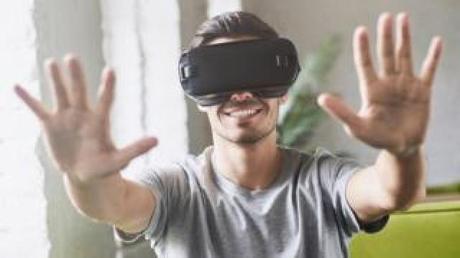
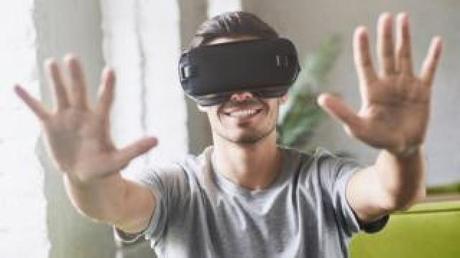
A software developer tweeted about how wearing a VR headset for hours a day has damaged your eyesight.
A visit to the opticians left him "worried about my future use of virtual reality" after a doctor accused the technology of a problem with his vision.
Glasses should correct the problem, but normally "they would be prescribed to people in their forties," he tweeted.
The Association of Optometrists said they had seen no evidence that VR headsets can cause permanent eye damage.
Oculus, owned by Facebook, states in its manual that one in 4,000 may suffer from "dizziness, convulsions, muscle twitches". Recommend users who suffer from these symptoms to stop using the headset and consult a doctor.
Doctors previously warned that virtual reality, which is the computer-generated simulation of a real or imagined environment, can cause eye strain because the brain is forced to process visual stimuli in a different way than normal.
And users have complained of nausea and dizziness when using headphones, which generally reduce the way a user perceives the space around them, leading to motion sickness.
Danny Bittman, who has worked as a virtual reality developer for four years, suggested that it could have affected his vision.
"I just had my first eye examination in three years. Now I am very worried about my future use of VR. I have a new eye convergence problem that acts like dyslexia. The doctor, a headphone owner, is convinced that the my use of VR caused this He said "these glasses that we usually prescribe for forties," he tweeted.
He went on to describe the problem: "My eyes jump when I read things like a screen or books. I've always had a small level, but now it's very intensified. It's also related to headaches and dizziness."
He said the problem was "prolonged use" and admitted that he could spend up to six hours a day wearing a headset, split into 30-minute sessions.
Ceri Smith-Jaynes, of the Association of Optometrists, told the BBC: "We currently have no reliable evidence that VR headphones cause permanent vision impairment in children or adults. There have been some studies that have examined the effects of short term use only of VR headphones; these did not reveal a deterioration of vision.
"However, some people suffer from temporary symptoms such as nausea, dryness and irritability of the eyes, headache or eye strain."
But he had some advice on using: "If you spend all day in VR without a break, you will need time to readjust to the light and the different visual environment of the real world. I would suggest taking a five to ten minute break every hour, using that time to move, wink and look out a window or take a short walk.
"The number of hours of headset use that a person can comfortably tolerate will vary based on your binocular vision status (ask your optometrist) and the activity you are doing in VR."
VR headphones have been adapted to improve eyesight. The start-up GiveVision has created a device called SightPlus, which aims to restore sight to people whose eyesight has deteriorated beyond repair by projecting a video of the real world in the operative part of the retina.
A clinical study at Moorfields Eye Hospital suggested improving vision in 59 of the 60 participants, with nearly half saying that they would wear the device to watch TV, read or go to the theater. The company works with Sony to develop its next device.






