


De-escalation in Spain: An update on Barcelona
Pedro Sánchez, Prime Minister of Spain, was present throughout the COVID-19 pandemic to keep the country informed of the steps to end the foreclosure measures. With 17 autonomous communities in Spain, all with different populations and sizes of land, the Spanish government's plan to eliminate the measures had to be adopted differently by these communities.
As smaller areas are progressing relatively quickly, popular cities like Madrid and Barcelona need to be more patient as they progress towards a new, safer and more normal place. Given that there are so many sources of information at our disposal, we thought it best to focus on Barcelona and give you an update on the progress of the city. We are going to remove the big one now, it is mandatory to wear a mask in public spaces!
Current situationTowards the end of May, Barcelona spent time in phase 1, lagging behind small autonomous communities, in particular the island communities of the Balearic Islands or Mallorca. This de-escalation phase was the first big step towards achieving a "new normal," as the city saw the return of outdoor terraces.
These, being a staple of Catalan and Spanish culture, were missed by the locals, who can now go there in small groups for a drink and tapas. On top of that, hotels and other tourist accommodation were able to open up once again, an essential step towards rebuilding the tourism sector of the economy - which the city relies on a lot. In addition, the libraries have reopened their reading rooms, which are still observing a social distancing while allowing the inhabitants of Barcelona to access more literature in a safe environment. Finally, there were strict time slots to observe when practicing exercise outside, individually or with members of the household.
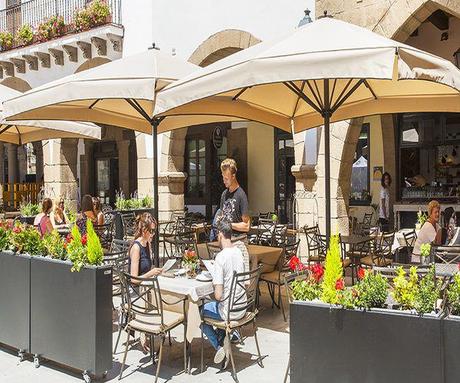
From Monday 8 June, Barcelona was able to move to phase 2. One of the main advantages for Barcelona when entering this phase is that restaurants can reopen their interior seats, with a capacity of 40% (an increase of 10 % compared to phase 1). ). Another industry that will be open and will respect this maximum capacity is shops and malls, with a range of shops available for the people of Barcelona, this will give people a much needed boost as the city progresses of this crisis. As for more cultural activities, there will be a capacity of 30% allowed on cultural sites, such as museums and cinemas, giving people the opportunity to enrich their day with a film or an excursion to one of the many sites. UNESCO of the city. As for swimming pools, some of them will open to a third of their capacity, athletes can only practice at sea for exercise purposes. Finally, in this phase, people can meet up to 15 people in a group outside, which gives a change to socialize with friends and family in greater numbers.

Football fans will be happy to know that from Thursday 11 June the Spanish first division, La Liga, and the second division, La Liga 2, will resume their seasons. This is very important for the country as a whole, which eagerly follows their teams throughout the season. In recent weeks, players and staff from each club in these divisions have been screened for the virus, which is now considered to be safe enough to resume combat. La Liga President Javier Tebas even said he would seek to get supporters back into the stands as soon as possible. Regardless of that, the stadiums are only one third or half full, this is great news for those looking to see a match in Barcelona live before the end of the year, with the likelihood that it will not be. realistic than for 2020/21. season, which will start at the end of August / beginning of September.
 Future plans for Barcelona
 Time will tell how Barcelona progresses to phase 2 and the test of success, as always, will depend on the progression of the virus. Therefore, it is not concrete to know how long the city will remain in phase 2. Judging by the trend, it seems that the city will spend around 2 weeks with these restrictions before progressing. It will be towards the end of June, but it is still important to clarify what is in reserve for phase 3. The main difference here will be that restaurants, bars, shops and cultural events can all accommodate up to 50% capacity. inside and 75% for outdoor spaces. The nightclubs will be opened again, accommodating a third of their capacity. As for the libraries, all their activities will be able to return, giving people the opportunity to relearn together in the same space for the first time in months. The biggest cultural change in phase 3 is that the beaches will reopen for quiet use, which means sunbathing and the sea will be allowed. Although some small regions of Spain are at this stage, it is not yet certain that Barcelona will reach this stage. At the very least, the trial of other regions will guarantee that when Barcelona progresses, it will be sure to do so.
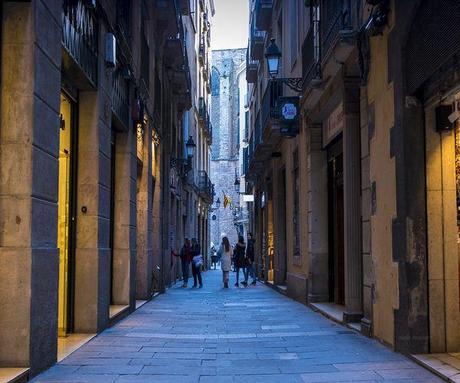
As for what would follow, it would remain in the hands of the regions. Spanish Prime Minister Pedro Sánchez has said that the end of the national emergency, which was recently extended until June 21, is when the regions can decide on their own account whether or not to withdraw the measures. In addition to this, the Prime Minister has suggested that foreign travelers will be able to enter the country in July. However, it's important to stress that it will depend on the infection rates in your own country, so keep an eye out for this before planning a trip to Barcelona or elsewhere in the region. If you are reading this while living in Spain and want to travel to Barcelona for leisure, you will have to wait until the city reaches phase 3 before traveling here. Of course, travel is not on our minds at the moment, however, it is important to stay informed of the places that interest you.
 Sandra Roig is Marketing Director at AB Apartment Barcelona. AB Apartment Barcelona is an apartment rental agency offering more than a thousand short and long term apartments throughout Barcelona.






