


In the competitive landscape of Hollywood film production, a recent policy purportedly prohibiting background actors from making eye contact with superstar Tom Cruise has ignited significant controversy.
The directive, which has sparked a broader conversation about the treatment of lesser-known talent in proximity to A-listers, highlights the latent hierarchies that may exist behind the scenes.
This backlash against the alleged ban reflects a growing resistance to such divisive norms, with industry professionals and observers alike questioning the implications for on-set culture and overall workplace respect.
As the debate unfolds, it underscores the necessity of re-examining power structures and behavioral expectations within the context of modern filmmaking.
The Eye Contact Allegations
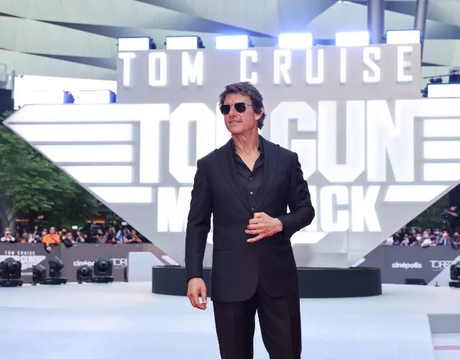
The prohibition surrounding eye contact with Tom Cruise on set has ignited considerable controversy within the film community. Allegations have surfaced that extras were instructed to avoid Cruise’s gaze, a directive confirmed by director Chris McQuarrie. This peculiar rule prompts a critical examination of on-set dynamics and power structures.
It raises questions about the rationale behind such a prohibition: Is it a method for maintaining the concentration of the star, or does it reflect a broader issue of status and control within the industry? While similar behavior has been attributed to other actors, the repetition of these accusations suggests a potentially unsettling pattern.
The film community must grapple with the implications of these practices on professionalism and the on-set atmosphere.
Jill Goldston’s Insights
Veteran background artist Jill Goldston’s testimony adds a personal dimension to the ongoing debate about restrictive on-set protocols, such as the no eye contact rule with stars like Tom Cruise.
Goldston’s seasoned perspective sheds light on a world where hierarchy and unspoken rules govern the interactions between stars and extras.
The enforced distance resonates oddly with the collaborative nature of filmmaking, a profession that ostensibly thrives on connection and expression.
While it’s understood that distractions must be minimized on set, one must ponder the implications of such stringent measures on the morale and dynamics among the cast and crew.
Goldston’s insights prompt us to question the necessity and impact of these practices, which appear to reinforce an archaic power structure within the modern film industry.
On-Set Hierarchy Issues
Many film industry professionals are now speaking out against the rigid hierarchies that such no-eye-contact edicts highlight, which often lead to a sense of devaluation among the lower-tier crew members like extras.
This demarcation between the talent and the crew poses a series of questions regarding the nature of professional conduct within the film industry. What are the implications for workplace morale when such hierarchical boundaries are strictly enforced? Is the practice reflective of an outdated modus operandi, or is it a necessity driven by the unique demands of film production?
As stories like these surface, they invite a critical examination of the power dynamics at play behind the scenes of our most beloved films.
Repercussions for Film Culture
Repercussions within film culture emerge as industry professionals debate the impact of hierarchical practices such as the no-eye-contact rule reportedly enforced by celebrities like Tom Cruise. Such policies, albeit not universally adopted, highlight the unspoken stratifications that can exist within a film set.
The pervasive nature of these accusations suggests a broader conversation about power dynamics and respect in the entertainment industry. Is such a protocol a necessary boundary for A-list actors to maintain focus, or does it foster an environment of intimidation and subservience detrimental to creative collaboration?
As this debate unfolds, the industry must confront the implications of such practices on the collective ethos and working conditions that define the world of filmmaking.






