


More than 4.4 million cases have also been recorded, according to the university's count. Given the various ways in which different countries report Covid-19 figures and the wide societal impact of the pandemic, the actual number of infections and deaths could be much higher.
The staggering death toll nevertheless captures a world slowed down by the virus, with governments just beginning to emerge from crippling blockages and powers like the United States and the United Kingdom that are still struggling to contain their epidemics.
Meanwhile, even countries that appear to have weathered the worst of their crises, such as China and South Korea, find that returning to normalcy is a long and uncertain process.
The long road to reopening
More than a quarter of the world's deaths - more than 84,000 - have occurred in the United States, where deaths have soared throughout April and continue to increase at a rate of approximately 1,500 per day. For weeks, the country suffered more cumulative deaths than any other.

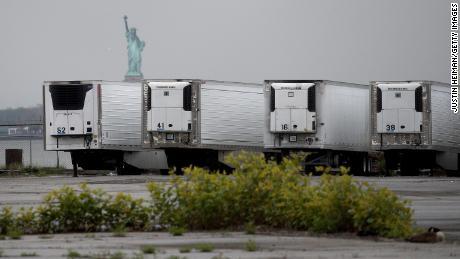
A number of Latin American countries have also reported rapid spikes in infections and deaths in recent days.
In Europe, which had been beaten by the virus shortly before the Americas, some countries are starting to announce more positive measures. Former hotspots in Spain and Italy are cautiously moving towards reopening some businesses and regularly reporting hundreds of deaths a day - far fewer than in March and early April.


But the outlook is more dire in the UK, which has seen the continent's deadliest epidemic, according to official figures.
His government has struggled to speed up testing, frequently missing the target of 100,000 tests per day it promised to reach in late April.
China to reintroduce restrictions after two cities report new virus outbreaks, including a lock-up in Shulan, near the Russian border - a worrying decision that comes months after Wuhan became the first place in the world to close in response to the virus.
Source link





