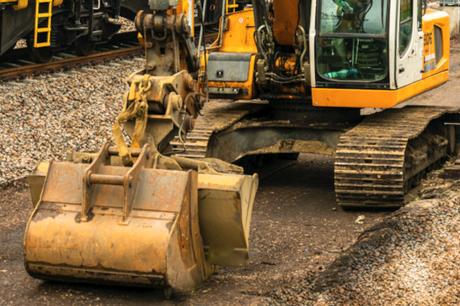
Regardless of the size of the construction project you manage, you need proper tools to complete them on time. One of the most versatile machines used at a job site is an excavator. You can change your buckets and bucket teeth similar to how you change a razor blade on a razor - a new bucket and / or bucket teeth give renewed efficiency and productivity to your excavator.
Selecting the right excavator bucket for your job site
You should always ask these two questions when you are choosing the right excavator bucket for your job site:
- What is the specific application for which you will use your excavator?
- What type of material are you handling?
The answers to these questions will decide the type of excavator bucket you choose. Many people make the mistake of choosing heavy buckets for their construction purposes. There are some points you have to remember when choosing your bucket:
- Heavier excavator buckets will lower the cycle time of the excavator
- Experts recommend using small buckets for high-density materials, if you don't want to impact your productivity.
- Different buckets are designed for different applications. Know the different types and choose the most suitable one for the purpose you have in mind.
A brief overview of the types of excavator buckets
It is important for you to know the different types of buckets that are available in the market currently. The following are some of the common categories of excavator buckets used today:
Digging buckets (also "general-purpose buckets")
The most versatile and common attachment to come with an excavator. It comes with short and blunt teeth to remove dirt and other particles.
Grading buckets (also "ditching buckets")
Usually used for grading, loading materials, leveling, cleaning ditches and related activities.
Heavy-duty buckets
These are made from heavy-duty steel, and are used for digging abrasive materials like rocks, stones, gravel, basalt, etc.
Trenching buckets
Mostly used for trench digging, these narrow buckets can help you dig deep ditches within real quick time.
Angle Tilt buckets
Though similar to grading buckets, these come with an additional feature of 45-degree rotation on both sides. You can create accurate slopes using these buckets.
Specialty excavator buckets
Sometimes your application will require specialty buckets. Knowing about these will help you make a qualified decision when it comes to choosing the right bucket for your needs:
Riddle bucket
Comes with heavy plates with gaps to allow small particles to pass through and sift coarse particles
V-Bucket
Used for digging deep, long and V-shaped trenches
Rock Bucket
Designed like a general-purpose bucket, this one comes with a sharp V-shaped cutting edge to break through hard rocks
Hard-Pan Bucket
Comes with sharp ripper teeth to loosen compact soil
Guide for choosing the right size of excavator bucket
Though you might know the different types of buckets available at your disposal, it would also help if you have an idea of the buckets' ideal size limits for different weights of excavators.
Selecting accessories for your excavator buckets
Here is a brief look at the accessories you can choose to customize these buckets. This way, you can make the most use of them.
- Adjustment of different types of teeth to suit your applications; you can add chisel teeth, rock teeth, tiger teeth and more for your convenience.
- Adjustment of teeth space to enable the machine to penetrate into rock and other hard materials; you can make the teeth space wide or narrow to penetrate rocks or dig soil, respectively
- Configuring the edges to make them spade or straight; spade edges work well with hard materials and straight edges work well with soil and trenches
- Additional side-cutters or root cutters to help you dig well at the time of excavations
- Wear protection accessories to increase the longevity and durability of the excavator bucket
- Coupler to switch between tools and switches
- Power-tilting coupler to tilt tools along 180 or 90 degrees
- Attach excavator thumbs to hold the material securely in place
Regardless of the brand of excavator bucket and accessories you buy, always look for the instruction manual to use the equipment correctly. If you are buying a used bucket, ensure that it is in good condition. Look at the welds and make sure there is no scalloping.
Resources
Choosing and excavator bucket#construction#excavators