


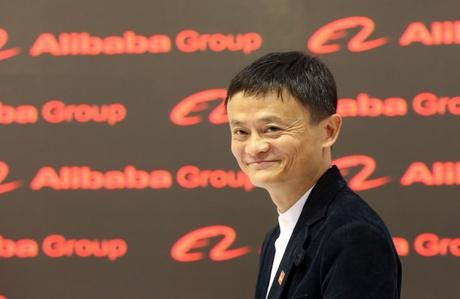
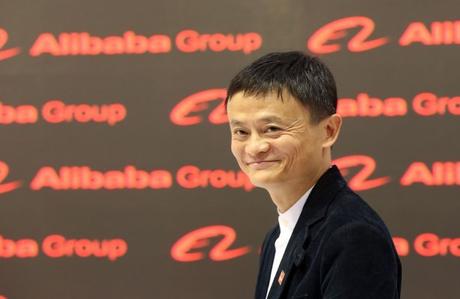
What a whirlwind vacation for Jack Ma and his fintech empire. The People's Bank of China, the country's central bank, called Ant Group for regulatory talks on December 26, announcing a broad plan for the fintech firm to "rectify" its regulatory violations.
The meeting came less than two months after Chinese financial authorities abruptly terminated what could have been Ant's record-breaking initial public offering on the company's regulatory compliance issues. The company, which started as a payment processor for Alibaba's online marketplaces and launched in 2011, lacked a solid governance structure, defied regulatory requirements, engaged in illegal arbitrage, excluded competitors using the its market advantage and damaged consumer rights, the central bank said.
At the same time, Jack Ma's e-commerce giant Alibaba is being investigated by China's top market regulator for allegedly monopolistic behavior.
Banking authority has established a five-point compliance agenda for Ant, which is controlled by Alibaba's billionaire founder Jack Ma. The fintech firm is expected to return to its payments roots and bring more transparency to transactions; obtain the necessary licenses for its credit activities and protect the privacy of user data; set up a financial holding company and make sure it holds sufficient capital; renew its credit, insurance, wealth management and other financial activities in accordance with the law; and strengthen compliance for its securities business.
After the closed-door meeting, Ant said it had established an internal "rectification workforce" to work on all regulatory requirements.
The jolt could take months to complete and likely dent Ant's valuation, which surpassed $ 300 billion by the time it was scheduled to go public. For example, the government recently announced plans to raise the bar for third-party technology platforms like Ant to provide consumer loans, a segment that accounted for around 35% of Ant's annual revenue. The proposed change, which is part of Beijing's effort to control the country's debt risks, also sets a new requirement for online microlenders to provide at least 30% of the loan they co-finance with banks, which could put pressure on the flow. of cash of Ant.
Some remain optimistic about Ant's future. "[Ant] creates a lot of value. If you look long enough, the temporary suspension of its IPO has a limited impact on its business, "Bill Deng, founder of cross-border payments operator Xtransfer and former Ant executive, told ProWellTech.
"From the point of view of the regulator, [Ant's] the size of the loan is becoming so large that it has extended beyond the old regulatory perimeters. To some extent, it has also invaded the core interests of traditional financial actors, "he added.
The crackdown on Ant has no doubt sent a warning to the rest of the industry. In a surprising move, JD.com's fintech unit, a challenger to Ant, has appointed its former chief compliance officer to lead the fintech firm as its new chief executive officer.
Tencent also has a large fintech business, but it may not receive the same level of control because the social and gaming giant "isn't as aggressive" as Ant, said a partner in Tencent's overseas fintech business who asked not to be. appointed.






