The neck region of the spine has a natural curvature. It is a forward curvature, and this shape of the cervical vertebrae helps to maintain the balance of the head and neck. The cervical spine is made up of seven vertebrae, and they are stacked on top of each other to form a gentle C-shaped curve.
In the cervical spine, the loss of the curve can lead to cervical lordosis and severe neck pain. In this post, we’ll discuss all cervical lordosis, its symptoms, what causes it, and the best treatments for it.
What Is Cervical Lordosis?
The natural curvature of the cervical spine is essential for maintaining good posture and reducing stress on the spinal discs, nerves, and neck muscles. When the curvature is excessive or reduced, it can lead to various health problems, such as neck pain, headaches, and spinal cord compression.
Symptoms Of Lordosis
How do you know you have cervical lordosis? Here are some common symptoms you will experience:
Neck Alignment (Swayback Neck)
A Swayback neck is when the spine curves too far inward, a common symptom of cervical lordosis. Neck alignment changes when the curve changes.
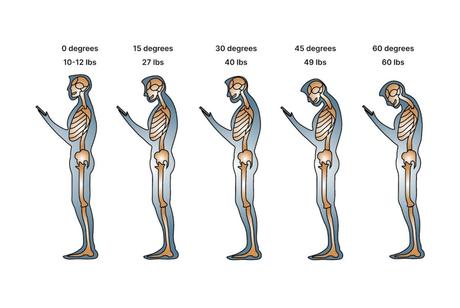
When there is excessive cervical lordosis, the head may sit too far forward, causing the neck to curve exaggeratedly. When the cervical lordosis is reduced, the head may sit too far back, causing the neck to flatten.
Numbness
Cervical lordosis can cause stress on the cervical disks that sit between the bones. If that stress causes the disks to bulge or protrude out, it can lead to compression or irritation of the nerves that exit the cervical spine and travel down to the arms and hands, leading to numbness. The numbness may initially be transient but may become constant with chronic cervical lordosis.
Tingling
Cervical lordosis can cause disk bulging that narrows the space through which the nerves pass and cause them to become pinched or irritated. These pinched nerves produce a tingling sensation.
Electric Shock Pains
Shooting electric pain in the arms, shoulders, or neck can be a symptom of cervical lordosis, mainly if the curvature of the cervical spine is excessive or reduced. This type of pain is often caused by nerve compression or irritation in the cervical spine.
When the cervical spine is not aligned correctly, it can cause pressure on the nerves that exit the spine and travel down to the arms and hands. This pressure can lead to shooting electric pain.
Weak Bladder Control
Cervical lordosis is not typically a direct cause of weak bladder control but can indirectly contribute to this condition. The cervical spine is part of the central nervous system, which includes the spinal cord and nerves that control bladder function.
When the cervical spine is not aligned correctly due to cervical lordosis, it can cause pressure on the spinal cord which houses the nerves that control the bladder function, leading to dysfunction in the bladder muscles and sphincters. This dysfunction can result in symptoms such as urinary incontinence, difficulty urinating, or frequent urination.
Studies have shown that people can have urinary disturbances due to cervical nerve and nerve root compression (1).
Weakness
When the nerves are compressed due to the narrowing of the spinal canal, the nerves cannot transmit signals effectively, leading to weakness.
Also, lordosis can cause the neck and upper back muscles to become overstretched and weak.
Difficulty Maintaining Muscle Control
Maintaining muscle control occurs through the nerves. When the nerves are compressed due to the change in curvature, the body cannot control muscle contraction and relaxation.
Common Causes Of Lordosis
The natural curvature can be altered or lost due to various factors, some of which include the following:
Inherited Conditions
Genetic conditions can increase the curvature of the spine. Some individuals may be born with a naturally flattened or exaggerated cervical curve due to genetic factors. This is commonly seen in achondroplasia (dwarfism), where the growth of long bones is restricted due to the deposition of bone in developing cartilage, resulting in very short limbs.
Traumatic Injury
How does trauma cause cervical lordosis?
Accidents like falls and other injuries can cause damage to the cervical spine, leading to altered curvature of the spine and cervical lordosis.
Poor Posture
Changes in posture can cause cervical lordosis in the following ways.
- Prolonged sitting or standing in a reclined or hunched-over position can cause the cervical spine to lose its natural curvature.
- Over time the lower part of the spine flattens out, and the upper curve becomes more pronounced, leading to decreased cervical lordosis.
Obesity
Being overweight affects the natural curvature of the spine and causes cervical lordosis. Obesity can increase mechanical stress on the cervical spine. There is more wear and tear on the joints, discs, and ligaments due to the increased weight.
This increased stress can lead to the formation of spurs in the cervical bones, joints or ligaments, leading to the deposition of bone or cervical ossification. This changes the curvature of the spine and makes it inflexible, leading to cervical lordosis.
Osteoporosis
Loss of bone density can also cause osteoporosis by the following process.
- Age and age-related breakdown can cause bones to weaken and become brittle, which may alter the curvature of the spine.
- The loss of the cartilage of the intervertebral discs due to the loss of water can also change the curvature of the spine leading to cervical lordosis.
Degenerative Disc Disease (DDD)
Degenerative disc disease and arthritis can cause the cervical spine to lose its curvature over time, leading to decreased cervical lordosis.
- As the discs break down, the vertebrae slide forward and cannot maintain the spine’s natural curvature, leading to cervical lordosis.
Spondylolisthesis
Spondylolisthesis can also cause changes in cervical lordosis by the following processes.
- As we age, the discs in our spine can wear down and lose their ability to absorb shock and maintain proper alignment, leading to decreased cervical lordosis.
- Damage or laxity in cervical ligaments adjacent to the disk can cause excessive motion of the bones.
- This causes a vertebra to slip forward or backward over the bottom and can cause reduced or excessive lordosis.
Neuromuscular Disorders
Medical conditions such as cerebral palsy, muscular dystrophy, or spinal cord injuries can cause alterations in cervical lordosis. This is due to the spinal deformities that occur with this condition. There are also associated degenerative changes of the spine with the loss of curvature, further worsening cervical lordosis.
Common Treatments For Lordosis
Treatment options for cervical lordosis depend on the severity of the condition, the cause, and the individual patient’s health status. Here are some common treatments:
Medications
Medications such as acetaminophen, muscle relaxers, or anti-inflammatory drugs, can temporarily help with pain and muscle spasms related to loss of normal cervical lordosis. But all medications have risks. NSAIDs, in particular, have many potential side effects, so use should be limited to as little as possible.
Natural Treatments for Cervical Lordosis
Maintaining good posture, avoiding activities that strain the neck, and losing weight (if necessary) can all help improve cervical lordosis. Here are some natural treatments for cervical lordosis.
- Weight Loss Programs: These programs can help reduce weight and lessen the mechanical stress on the spine.
- Nutritional Supplements: Some nutritional supplements that may help are Omega-3 fatty acids found in fish oil supplements. They have anti-inflammatory properties and may help reduce pain and inflammation in the neck muscles.
Turmeric contains a compound called curcumin, which has anti-inflammatory properties and may help reduce pain and inflammation in the neck muscles.
Vitamin D plays a crucial role in bone health and may help improve the strength and density of the bones in the cervical spine. Calcium and magnesium are essential minerals for bone health and may help support the structure and function of the cervical spine.
Non-Surgical
The non-surgical treatment options for cervical lordosis aim to manage pain and reduce symptoms. They are usually used in conjunction with other treatments.
- Physical Therapy: Physical therapy can help restore proper posture and alignment of the neck by strengthening the muscles that support the cervical spine. It may also involve exercises to stretch and improve flexibility.
- Chiropractic biophysics (CBP): CBP is a specific chiropractic program that has evidence to support it can help improve neck curvature.
- Acupuncture: When treating cervical lordosis, acupuncture may help relieve pain and tension in the neck muscles, improve circulation, and promote relaxation. Acupuncture needles are typically inserted at specific areas along the neck, shoulders, upper back, and other points on the body that may be related to the individual’s symptoms.
Studies have shown they have an excellent immediate effect on relieving symptoms (2).
- Orthotics/Bracing/Taping: Orthotics, braces, and tape are not typically used to treat cervical lordosis. These devices are more commonly used to support or stabilize other body areas, such as the feet or back.
In some cases, cervical collars or neck braces may be recommended as a temporary measure to help support the neck and relieve pain and inflammation in the muscles and joints.
Taping may also be used to support the neck and improve posture. Still, it is typically used with other therapies, such as stretching exercises, to help restore the normal curvature of the cervical spine.
Orthotics, such as shoe inserts or foot braces, are not directly related to treating cervical lordosis. Still, they may be recommended to address underlying biomechanical issues contributing to the condition.
For example, custom-made shoe inserts can help correct foot alignment and improve gait, which can help reduce stress on the spine and improve posture.
Surgical Procedures
Surgery would be a drastic last resort for treating changes in cervical lordosis. Surgeries would be reserved for patients who have spinal cord injury, severe nerve compression or severe instability which have failed all other conservative measures. One typical surgery would be Anterior Cervical Discectomy and Fusion (ACDF).
Regenexx
There are less invasive ways to treat cervical issues related to excess or loss of cervical lordosis to avoid medications and surgery. Regenexx procedures utilize substances called orthobiologics that promote the natural healing of neck structures such as joints, nerves, ligaments, tendons, muscles, and disks.
Example orthobiologics are prolotherapy, PRP, and bone marrow concentrate that contain stem cells. These orthobiologics can be precisely injected under X-ray or ultrasound guidance into damaged tissues related to loss of lordosis to help those areas heal and improve the neck curve.
These patients help reduce inflammation and pain, nerve symptoms, and along with physical therapy and or chiropractic can help improve cervical lordosis.
Risk Factors
Some risk factors may increase a person’s likelihood of developing the condition. Here are some of them.
- Poor Posture: Poor posture can strain the neck muscles and cause the spine’s natural curvature to change over time.
- Trauma: Trauma to the neck, such as whiplash from a car accident, can damage the muscles and ligaments that support the cervical spine and lead to cervical lordosis.
- Age: As people age, the discs between the vertebrae in the spine can begin to degenerate, leading to changes in the curvature of the spine.
- Degenerative Conditions: Certain degenerative conditions, such as arthritis or degenerative disc disease, can also contribute to cervical lordosis.
- Obesity: Excess weight can put additional pressure on the spine and contribute to changes in the curvature of the cervical spine.
- Genetic Factors: Certain genetic factors may make some people more susceptible to developing cervical lordosis.
Preventing Lordosis
Here are some tips to prevent cervical lordosis.
- Maintain Good Posture: Keeping your head, neck, and shoulders in proper alignment can help reduce strain on the neck muscles and prevent changes in the curvature of the spine. Avoid slouching or hunching over when sitting or standing.
- Exercise Regularly: Exercise can help strengthen the muscles that support the cervical spine and maintain flexibility in the neck.
- Avoid Repetitive Motions: Performing repetitive motions, such as lifting heavy objects or bending the neck for extended periods, can strain the neck muscles and increase your risk of cervical lordosis.
- Use Ergonomic Equipment: When working at a desk, use an ergonomic chair and keyboard to maintain good posture and reduce strain on the neck muscles.
- Maintain a Healthy Weight: Excess weight can put additional pressure on the spine and contribute to changes in the curvature of the cervical spine.
- Avoid Traumatic Injuries: Take steps to avoid injuries to the neck, such as wearing a seatbelt while driving and participating in sports with proper protective gear.
Home Remedies That Can Help
While home remedies may not cure cervical lordosis, they can relieve symptoms and improve overall neck health. Here are some home remedies that may help:
- Stretching Exercises: Stretching exercises can help improve flexibility and strengthen the muscles that support the cervical spine. Examples include chin tucks, neck rotations, and shoulder shrugs.
- Heat or Cold Therapy: Applying heat or cold to the neck can help relieve pain and inflammation associated with cervical lordosis. Try using a hot water bottle, warm towel, or ice pack.
- Massage: Massage can help reduce tension and improve circulation in the neck muscles. You can try self-massage techniques or work with a professional massage therapist.
- Posture Improvement: Maintaining good posture throughout the day can help reduce strain on the neck muscles and improve the curvature of the cervical spine.
- Pain Relief Medication: Over-the-counter pain relievers such as acetaminophen or nonsteroidal anti-inflammatory drugs (NSAIDs) may help relieve pain and reduce inflammation.
- Essential Oils: Some essential oils, such as lavender or peppermint, may help reduce pain and inflammation associated with cervical lordosis. You can apply them topically or diffuse them in a diffuser.
How Is Lordosis Diagnosed?
Cervical lordosis is typically diagnosed by a healthcare professional, such as a musculoskeletal specialist such as PMR physician, pain physician, sports medicine physician, orthopedic specialist, chiropractor, and sometimes a primary care physician. The diagnosis is based on medical history, physical examination, and diagnostic imaging tests.
Here are some typical steps in the diagnosis of cervical lordosis:
- Medical History: Your healthcare provider will ask about your symptoms, medical history, and previous injuries or surgeries.
- Physical Examination: A physical examination will typically involve checking your posture, range of motion, and any areas of tenderness or pain in the neck.
- Imaging Tests: Diagnostic imaging tests, such as X-rays, digital motion X-rays (DMX), magnetic resonance imaging (MRI), or computed tomography (CT) scans, may be ordered to evaluate the curvature of the cervical spine and any underlying structural abnormalities.
- Electromyography (EMG): An EMG test may be ordered to evaluate the function of the nerves and muscles in the neck.
Once a diagnosis of cervical lordosis is made, treatment options can be discussed and tailored to the individual patient’s needs and the severity of the condition.
Can Complications Occur If This Is Left Untreated?
Yes, complications can occur if cervical lordosis is left untreated. The condition can cause several symptoms, such as neck pain, headaches, and limited range of motion. Over time, untreated cervical lordosis can also lead to more severe complications, including:
- Increased Risk of Injury: The altered curvature of the cervical spine can make the neck more susceptible to injury from sudden movements, such as whiplash in a car accident.
- Nerve Damage: In severe cases, cervical lordosis can compress nerves in the neck, leading to numbness, tingling, or weakness in the arms and hands.
- Chronic Pain: Untreated cervical lordosis can cause chronic pain and discomfort that can significantly impact the quality of life.
- Decreased Mobility: As the condition progresses, the range of motion in the neck may become limited, making it difficult to perform daily activities.
- Degenerative Conditions: In some cases, cervical lordosis can contribute to developing degenerative conditions such as arthritis or degenerative disc disease.
Early Detection And Treatment Is Key
It is essential to seek medical attention if you experience neck pain or stiffness, as early treatment can help prevent complications and improve outcomes. Cervical lordosis can be treated in many ways, including regenerative medicine.
If you are experiencing symptoms due to cervical lordosis, schedule an appointment with one of our board-certified doctors today.
Don’t let cervical lordosis stop you from living your best life.Make an appointment with us today!
References
- Misawa T, Kamimura M, Kinoshita T, Itoh H, Yuzawa Y, Kitahara J. Neurogenic bladder in patients with cervical compressive myelopathy. J Spinal Disord Tech. 2005;18(4):315-320. doi:10.1097/01.bsd.0000166638.31398.14
- Fu WB, Liang ZH, Zhu XP, Yu P, Zhang JF. Analysis on the effect of acupuncture in treating cervical spondylosis with different syndrome types. Chin J Integr Med. 2009;15(6):426-430. doi:10.1007/s11655-009-0426-z