


When properly prepared, espresso has a strong charm that captivates you like no other coffee beverage, but making it at home can be a huge challenge. If you don't do your homework, you could end up with a terrible device that flings terrible drinks. Many coffee machines that are billed as household espresso machines aren't actually espresso machines, but we can help you avoid this problem and purchase a home espresso machine that will produce excellent shots.
The best home espresso machines have an advanced brewing process and handy frills B. a double portafilter basket for double-shot drinks or a milk frother and a steam wand for a cappuccino or latte. A good automatic espresso machine isn't cheap, however, and you can expect to pay at least $ 500 for something that whips up real cafe-size espresso drinks (or an espresso shot, if that's your thing). But when in doubt, think about how much you'll save on all the cappuccinos, lattes, and double shots from the cafe.
she can Also, ditch just $ 100 when you're ready to settle for a mediocre espresso. However, I urge you not to rush into products that cost less, especially if you plan to drink espresso regularly. Apparently affordable espresso machines might look like a bargain at first, but they are often a waste of money and counter space.
For price-conscious customers, "espresso breweries" (in the $ 30 to $ 50 price range) typically lack motorized pumps and are powered solely by steam pressure. What they produce is real Moka pot Coffee, the type of drink made by simple stove-top brewers; It doesn't taste as good as the espresso you are used to from the barista in your local cafe or coffee shop. That's not inherently bad - it's just not really espresso.
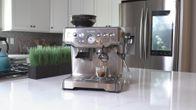
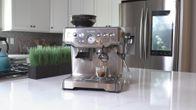
To find the best espresso machine for espresso lovers, I spent over 80 hours putting 10 available espresso machines through their paces. I've limited my tests to manual espresso machines, not those that make espresso from a coffee pod or capsule (is espresso from an espresso capsule really espresso?). I also visited three other espresso machines that I checked before. During the process, I made and tried dozens of espresso shots, double shots, lattes, cappuccinos, and jugs of steamed milk and milk foam. Basically, if it was a coffee drink, I made it. I also considered things like water reservoir and storage, water filter, control panel, grinder functions, and automatic milk frother length (and the ability to steam and froth milk).
In my experience, these are the three I would pick as the best espresso machines for the home. While they all do the job and give you the essentials need - like a steam milk frother, a drip tray, a large water container and an easy-to-clean stainless steel floor - the key differentiating factor between them is the price. And how much you spend on an espresso machine has a huge impact on the type of coffee you ultimately get.
I've narrowed this list down to vending machines and semi-automatic espresso machines. I've ruled out all options for super automatic espresso machines such as those sold by Krups, Philips, Miele, and others. These models are in a breed of their own and cost many times that ($ 2,000 to $ 3,000). I regularly update this list and my testing method is below.
Still with me Go ahead - delicious espresso will be yours soon!
Chris Monroe / CNET
The Breville Barista Express and its combination of performance, features and price are unbeatable. For less than $ 700, the machine's impressive grinder pulverizes espresso beans, and intelligent technology doses the base straight into the portafilter basket. The robust nozzle steams the milk well and creates a thick foam. It also consistently got the tastiest espresso shots in my test group. It's not exactly a cheap espresso machine, but you get a lot for the price.
The control panel may seem a little intimidating at first, but once you get the hang of it, a delicious shot (or double shot) of espresso, latte, or any other coffee-based beverage will be your reward. The stainless steel Barista Express is also a breeze. And to seal the deal, Breville includes high quality metal tools like a handy dose cutter and manipulator.
However, I will find that this machine is not small. If your kitchen is running out of counter space, consider checking out the next machine on the list instead. Continue reading.
Brian Bennett / CNET
For those who crave great espresso at home but are nervous about improving tech, the Breville Bambino Plus is the perfect choice. It's dead easy to use and keep clean, and it's compact - and I found it to deliver delicious espresso shots, according to Breville's Barista Express. I especially appreciate how easy it is to froth milk with the Bambino. Simply insert the steam wand into the Bambino's stainless steel milk jug (included) and press a button. Less than a minute later, you have expertly steamed milk foam for lattes and cappuccinos.
While there is no in-house coffee grinder, the Cuisinart EM-100 has a lot to offer when it comes to preparing espresso, cappuccino or latte. This affordable espresso machine has a compact design, but is powerful enough to brew from fine coffee powder. Tasty espresso shots of good quality and strength were also drawn. The machine has a long stainless steel nozzle for steaming milk and a built-in cup warmer heating element. A solid espresso machine at about a third the price of the Breville.
How we test espresso machines
My evaluation process for a home espresso machine is similar to testing standard filter coffee machines. First, I hand wash and dry all removable parts and accessories. For most espresso products, this includes the filter basket, metal portafilter inserts, the water tank, etc. Next, I run a brew cycle with just hot water to wash away any residual material from manufacturing.
Most espresso machines, aside from fancy super-automatic models, don't have built-in ones coffee grinderand I prefer to test with freshly ground coffee, without pre-ground coffee. So I deliver my own mill: the Breville Smart Grinder Pro. I chose this conical burr grinder for two reasons. First, it's calibrated more for espresso and less for drip or other styles of brewing. In other words, the result is a grind that is quite good. Second, its grind size is consistent throughout. Both of these factors are critical to a proper espresso brewing process.
To take pictures, I start with the suggested method described in the product manual for a particular machine. Usually this covers the amount of coffee grounds expected per shot as well as any guidelines regarding rudeness. Likewise, I follow the pounding instructions (light, medium, or hard pounding) if the manual includes them.
Whenever possible, I brew double sprays of espresso for all of my test runs. I make sure I keep a record of the weight of the floor I'm using as well as the weight of the espresso for every shot I draw. This data, along with readings from a portable refractometer, enables me to calculate two important percentages: total dissolved solids and extraction percentage.
As with any coffee brew, the ideal extraction percentage for espresso is between 18% and 22%. This will make for a well-balanced cup, provided you perform a smooth and efficient extraction of coffee blends from your soil (both flavor and caffeine).
If you over-extract, you run the risk of leaching out unpleasant aromas (bitterness) after the good thing. At the other end of the scale, under-extracted beers tend to have undeveloped flavors. Without sugar and other caramelized organic chemicals, these shots taste sour, weak, and watery.
In contrast to the preparation of a cup of filter coffee, the espresso should be concentrated. While an excellent drop typically has a TDS percentage of 1.3% or 1.4%, a good espresso has a much higher percentage. The Breville Barista Express, for example, produced recordings with TDS percentages of up to 12.4%.
However, the shots I drew were balanced with an extraction of 18.6%. The test beans I use are the same variety I use for standard coffee makers - Costco Kirkland Colombian. It's a medium black roasted coffee bean that is also great for brewing espresso.
Finally, I try to froth milk with every coffee machine that is equipped with a steam wand. I capture the overall experience with the steam wand, whether it's a snapshot, a tricky task, or somewhere in between.
Would you like more options for your cup of coffee? Check out this list of espresso machines I tested in addition to the ones above.






