Albania feels like it was made for backpacking. It’s affordable, fairly easy to move around, and packed with culture, wild scenery, and little corners most people never make it to.
I’ve spent weeks hiking in the north and beach hopping in the south and I still feel like I’ve only scratched the surface.
From quiet mountain villages to laid back coastal towns, the country still feels raw and real in a way that’s getting harder to find in Europe.
If you’re after somewhere cheap, adventurous, and a bit different from the usual Western Europe loop, Albania is a great shout.
Below I’ll share practical routes, budget tips, safety info, and a few things I wish I’d known before my first trip.
Table of Contents
Toggle- Why Backpack in Albania?
- Best Time to Go Backpacking in Albania
- How to Get to Albania
- By Air
- By Ferry
- By Bus or Car
- Best Backpacking Routes in Albania
- Southern Coast (Albanian Riviera)
- Albanian Alps (Northern Albania)
- Historic Towns (Berat and Gjirokaster)
- Tirana (Capital City Experience)
- Backpacker-Friendly Destinations in Albania
- Saranda and Ksamil
- Shkoder
- Gjirokaster and Berat
- Valbona and Theth
- Accommodation Options
- Hostels
- Guesthouses
- Budget Hotels
- Camping and Wild Camping
- Couchsurfing & Airbnb
- Costs
- Accommodation Costs
- Food Costs
- Transportation Costs
- Taxis and Apps
- What to Eat
- Traditional Dishes
- Street Food
- Local Drinks
- Best Places to Eat
- Getting Around Albania
- Buses and Furgons
- Best Routes
- Car Rentals
- Ferries
- Taxis
- Safety Tips
- General Safety
- Solo Female Travellers
- Emergency Contacts
- Cultural Respect
- Budget Tips
- How to Save on Accommodation
- Food on a Budget
- Saving on Transportation
- Free Activities
- Packing Essentials
- Hiking Gear
- Clothing
- Tech Gear
- Safety Gear
- Backpacker Itineraries for Albania
- One-Week Albania Backpacking Itinerary
- Two-Week Albania Backpacking Itinerary
- FAQs
- Is Albania safe for solo backpackers?
- Can you wild camp in Albania?
- How much does it cost to backpack in Albania for a week?
- What’s the best time of year to backpack in Albania?
- How do you get to the Valbona to Theth hike?
- Final Thoughts
Need help planning your next trip? Hire me as your Personal Travel Planner!
Why Backpack in Albania?
If you’re backpacking on a European budget, Albania feels almost ridiculously good value. Your money goes a long way, so you don’t need to live on instant noodles to keep costs down.
Hostel dorms, simple guesthouses and cheap eats make it easy to travel for longer without blowing your savings.
What really hooked me though is how varied the country is.
Jagged peaks in the north, clear rivers and lakes, quiet coves and beaches in the south. Plus a lot of space that still feels undeveloped compared with nearby Greece or Montenegro.
On top of that, you’ve got layers of history everywhere you go. Ottoman houses, Roman ruins, communist bunkers, colourful markets, and gritty little neighbourhoods all sitting side by side.
It’s the kind of place that makes me want to slow down, talk to people, and see what’s around the next bend in the road.
Best Time to Go Backpacking in Albania
Spring (April May) is lovely for cities and low level hikes. Everything turns green and the temperatures are comfortable.
Higher mountain passes can still be covered in snow until late May or even early June, so don’t plan big hikes in the Alps too early in the season.
Summer (June August) is ideal for the Albanian Riviera. The sea is warm and the beach towns are buzzing, especially in July and August.
It’s hot though, so if you want to hike, aim for early mornings or stick to shaded valleys.
Autumn (September October) is one of my favourite times to visit. The heat eases off, the crowds die down, and you can still swim in the sea well into October.
Hiking conditions are usually excellent.
Winter (November March) is generally very quiet, especially outside of the major cities. Tirana stays lively, although most places in the Riviera effectively shut down.
Mountain areas get proper snow, so stick to winter-friendly routes unless you’ve got the right gear and experience.
How to Get to Albania
By Air
Most travellers fly into Tirana International Airport. There are plenty of direct routes from cities like London, Rome and Vienna, so getting here is usually straightforward.
The airport’s close to the city centre, and buses and taxis run throughout the day.
By Ferry
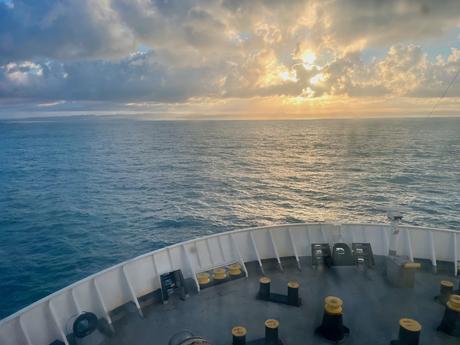
If you’re coming from Greece or Italy, ferries are a handy option. The quick Corfu–Saranda route is popular in summer and makes it easy to start your trip on the coast.
From Italy, overnight ferries run from Bari and Brindisi to Durrës, which saves a night of accommodation and drops you close to Tirana.
By Bus or Car
Albania has decent road links with Montenegro, Kosovo, Greece and North Macedonia. Buses and furgons run between the major cities, although timetables can be loose.
If you’re happy driving, renting a car gives you more freedom, especially for the Alps and smaller coastal towns. Expect mountain roads, hairpins, and the odd creative overtaking manoeuvre.
Best Backpacking Routes in Albania
Southern Coast (Albanian Riviera)
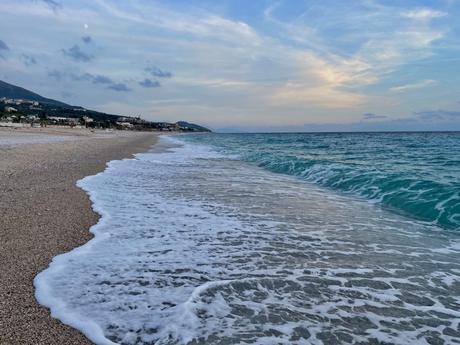
The Riviera is where most people start if they want sun and sea. Think simple beach towns, clear water, and long stretches of coast that still feel low key outside July and August.
Saranda, Ksamil, Himara and Dhermi are the main stops, each with a slightly different vibe.
You can spend your days beach hopping, doing short coastal walks, or taking boat trips to quieter coves.
Butrint National Park is an easy day trip from Saranda and well worth it if you like a mix of nature and ancient ruins.
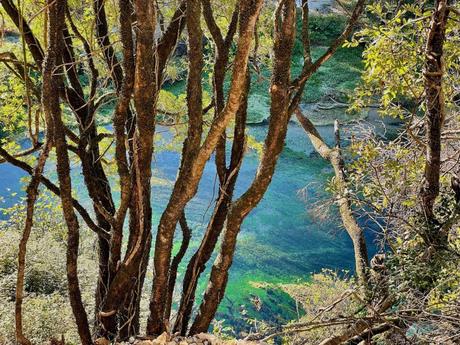
Syri i Kaltër (the Blue Eye) is another popular stop. It’s beautiful but can get packed in peak season, so go early if you want it to yourself.
Albanian Alps (Northern Albania)
The Alps feel like a completely different country. Shkoder is the usual base, and from there most travellers take the Lake Koman ferry to Valbona before hiking over the pass to Theth.
The hike itself takes around 5 to 8 hours, though you’ll want a couple of days in the region to enjoy the villages properly.
Expect dramatic peaks, cold rivers, and some of the friendliest guesthouses you’ll find anywhere.
Historic Towns (Berat and Gjirokaster)
Berat and Gjirokaster are both UNESCO listed and great if you want a slower few days.
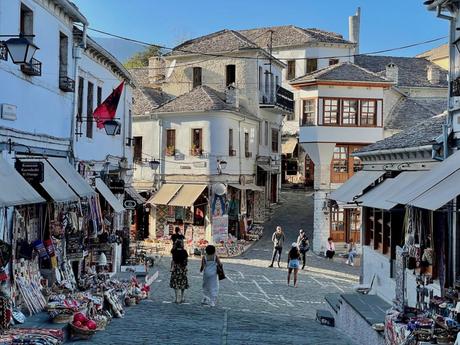
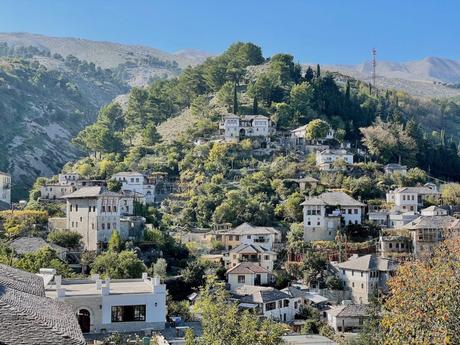
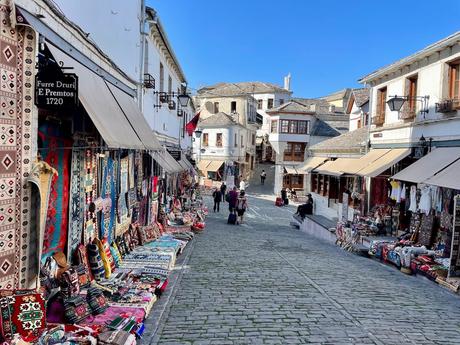
Berat has bright white houses stacked up the hillside, while Gjirokaster has steep stone lanes and old Ottoman houses you can explore.
Both towns are walkable and full of little cafés, viewpoints and old castles that are easy to visit without a guide.
Tirana (Capital City Experience)
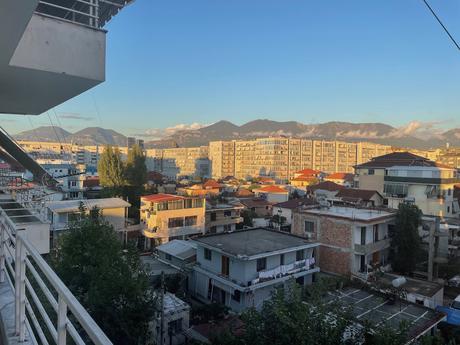
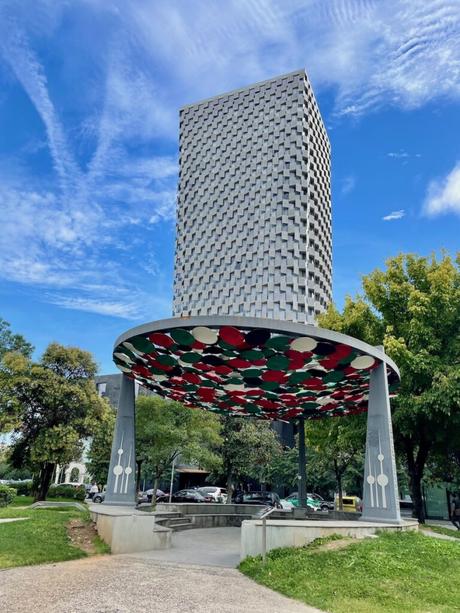
Tirana is changing fast. You’ve got colourful buildings, concrete blocks from the communist era, new towers, parks, and a growing café scene.
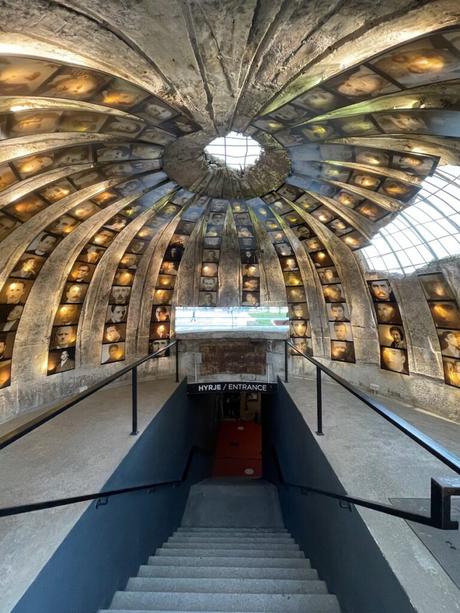
Skanderbeg Square, Bunk’Art 2 and the Pyramid are all easy to tick off in a day.
Blloku is where you’ll find most of the cafés and nightlife. From the city, you can also take quick trips to Kruja or up the cable car to Mount Dajti for a breather from the traffic.
Backpacker-Friendly Destinations in Albania
Saranda and Ksamil
Saranda and Ksamil are the obvious coastal bases. Saranda has more going on, while Ksamil is all about the beaches.
The water is unbelievably clear, but in July and August Ksamil gets very busy and starts to feel more like a small resort than a quiet village.
Both places have plenty of cheap restaurants, simple apartments and beach bars, so it’s easy to keep costs down.
If you visit outside peak season, you’ll get a much calmer, nicer version of both towns.
Shkoder
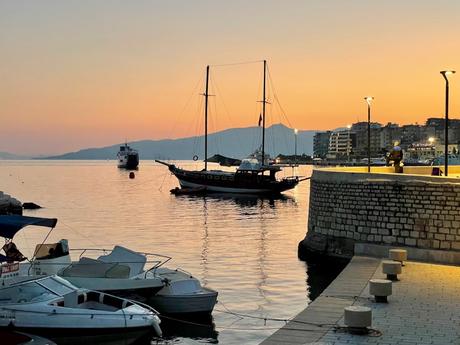
Shkoder is the gateway to the Albanian Alps and one of the most relaxed cities in the country. There’s a slightly bohemian feel, lots of bikes, and a big lake on the edge of town.
Rozafa Castle is worth the climb for the views, and there are loads of cafés and bakeries where you can fuel up before heading into the mountains.
If you’re planning the Valbona–Theth route, this is usually where you organise transport and the Lake Koman ferry.
Gjirokaster and Berat
These two towns are great if you want a break from the beaches and mountains.
Berat’s hillside houses and river views make it one of the prettiest towns in Albania.
Gjirokaster has steep stone lanes, Ottoman houses and a huge castle overlooking the valley.
Both are compact, walkable and full of small family-run restaurants. I spent longer than planned in these towns because they’re just really lovely.
Valbona and Theth
If you love hiking, Valbona and Theth are unmissable. They’re remote, simple villages surrounded by jagged peaks and cold, clear rivers.
Most travellers stay in guesthouses, which usually means hearty dinners, strong coffee and early nights.
The Valbona–Theth hike is the big draw. It’s a one day trail over a mountain pass, and even if you’re not doing the full loop, the area is worth visiting just for the scenery and quiet.
Accommodation Options
Hostels
Hostels are easy to find in places like Tirana, Shkoder and Saranda. Most have big common rooms, simple kitchens and staff who’ll help you sort buses or organise trips.
They’re also the easiest way to meet other travellers.
If you’re heading to Gjirokaster, I always recommend Stone City Hostel. It’s one of the friendliest hostels I’ve ever visited, and the location in the old town is spot on.
Guesthouses
Guesthouses are everywhere, especially in the Alps and smaller towns. They’re usually family run, with big home cooked meals and a warm, low key atmosphere.
In places like Valbona and Theth, guesthouses make the whole experience.
You’ll probably end up chatting to the owners, drinking strong coffee (and stronger raki), and sharing stories and tips you’ll never get from a guidebook.
Budget Hotels
If you want a private room without spending too much, Albania has plenty of cheap hotels. Rooms are basic but comfortable, and prices stay reasonable even in summer.
You’ll find the best value in cities and larger towns where there’s more competition.
Camping and Wild Camping
Camping is a great way to enjoy Albania’s landscapes. There are official campsites near the coast and in national parks.
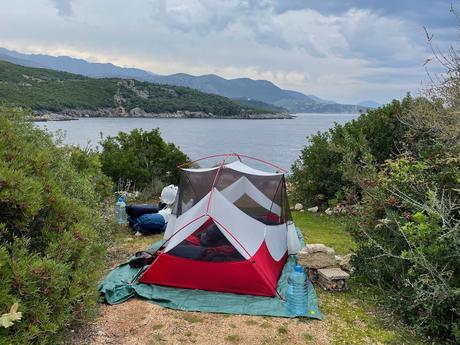
Wild camping is generally tolerated in rural and mountain areas. Just be respectful of local land, and always check you’re not near private property or protected zones.
Couchsurfing & Airbnb
Couchsurfing can be a fun way to meet locals and get a better feel for day to day life.
Airbnb is widespread too, with everything from cheap rooms to small apartments. It’s a good option if you want a little more space or a quiet base to work from.
Costs
Accommodation Costs
Albania is one of the easiest places in Europe to travel on a budget. Dorm beds usually cost around €10–20, and private rooms in simple guesthouses often sit between €15–30.
Budget hotels in cities tend to be €25–40 for a basic double.
You don’t need to book far ahead outside July and August, although guesthouses in the Alps do fill up quickly in peak season.
Food Costs
Eating well on a budget is easy. Byrek, qofte and other street food usually cost €3–6, and a proper sit down meal in a local restaurant is often €6–12.
Portions are big, especially in family places.
Seafood is more expensive on the Riviera, but still far cheaper than neighbouring Greece or Italy. I’ve eaten some incredible grilled fish in Himara and Saranda without spending much.
Transportation Costs
Buses and furgons are cheap. Most city to city routes cost a few euros, and the longer journeys rarely cost more than €10–15. It’s not slick, but it works.
If you prefer flexibility, renting a car is still good value compared with much of Europe. Just remember that driving in Albania can be unpredictable, especially in the mountains.
Taxis and Apps
Bolt and Uber don’t operate in Albania. In Tirana, use local taxi apps like Merr Taxi, Speed Taxi or Ups Taxi. They’re cheaper and safer than hailing random cabs, and the pricing is clear.
What to Eat
Traditional Dishes
Albanian food is simple, hearty and filling, which is ideal when you’re on the move.
You’ll see byrek everywhere. It’s a flaky pastry stuffed with cheese, spinach or meat, and I’ve eaten more of these than I care to admit.
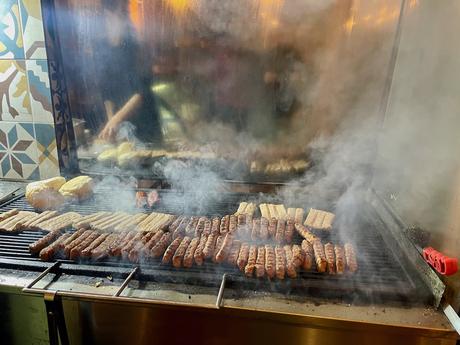
Qofte are another go-to. They’re grilled meatballs usually served with bread, salad and a big squeeze of lemon.
Tavë kosi is a heavier lamb and yoghurt bake, great after a long hike or on a cold evening.
Street Food
Street food is cheap and easy to find. Sufllaqe is Albania’s take on souvlaki. Expect grilled meat wrapped in warm bread with chips stuffed inside.
Qofte stalls are common too, especially in small towns.
If you’re in Tirana, look out for tiny bakeries selling fresh pastries for next to nothing. They’re perfect for grabbing something quick before getting on a bus.
Local Drinks
Rakia is everywhere. Someone will probably offer you a glass before noon at some point, especially in the mountains. It’s strong, so pace yourself.
Albanian wine is better than people expect, with some good local reds around Berat and Përmet.
Coffee is a big part of daily life and usually costs about €1 for a strong espresso. You’ll see people sitting for ages with a tiny cup.
Best Places to Eat
You’ll eat well pretty much anywhere if you stick to family run places.
In Tirana, Blloku has plenty of affordable options.
Saranda and Shkoder have loads of small restaurants serving fresh, simple dishes at good prices.
Ask locals where they eat. The best spots are usually no-frills, with incredible food and no English menu.
Getting Around Albania
Buses and Furgons
Buses and furgons are the backbone of public transport in Albania. They’re cheap, fairly frequent, and connect most towns, even the small ones.
Timetables aren’t always posted (or accurate), so ask at your guesthouse or just turn up with plenty of time.
Furgons often leave when full, not at a fixed time. It’s a little chaotic but it works, and the drivers usually make sure you get where you need to go.
Expect relaxed journeys, loud music, and plenty of stops.
Best Routes
Tirana to Shkoder, Durrës to Berat, and Saranda to Tirana are all straightforward. The scenery on the longer routes can be incredible, especially in the north.
Car Rentals
Renting a car gives you the most freedom, especially for the Alps or smaller beaches along the Riviera.
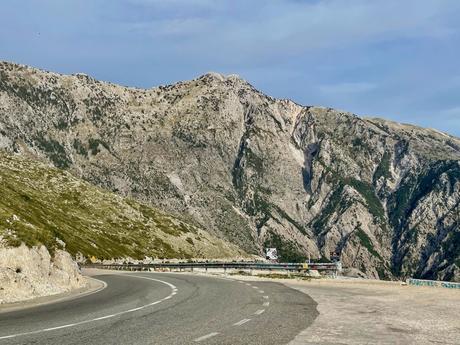
Prices are reasonable, but driving requires concentration. Mountain roads have sharp hairpins, random potholes and the odd goat wandering across.
Albanians can be enthusiastic overtakers, so stay alert.
Ferries
If you’re coming from Corfu, the ferry to Saranda is the quickest way into the country and runs year-round, with more departures in summer.
The Lake Koman ferry in the north is a highlight in its own right if you’re heading to Valbona. Book it in advance in July and August.
Taxis
Hailing taxis on the street can be hit or miss. In Tirana, use local apps like Merr Taxi or Speed Taxi for clear pricing and less hassle.
Outside the capital, ask your accommodation to call a trusted driver.
Safety Tips
General Safety
Albania feels very safe to travel in, even if you’re on your own. Violent crime against tourists is very rare.
Use the same common sense you’d use anywhere else. Keep an eye on your stuff in busy areas and avoid wandering down unlit streets late at night.
Locals are usually helpful, and if you ever look lost, someone will probably point you in the right direction before you have to ask.
Solo Female Travellers
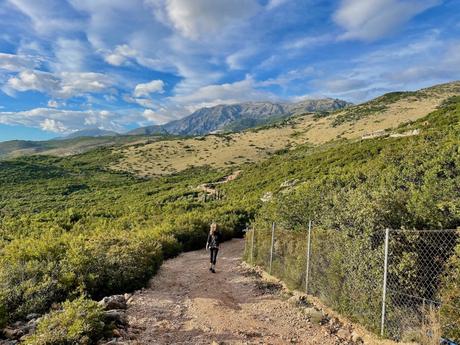
Solo female travellers I’ve met on the road told me that they generally felt perfectly comfortable in Albania.
Rural areas can be more traditional, so dressing modestly helps you blend in.
Trust your instincts and walk away from anything that feels off. Guesthouses are great if you want a safe, friendly base.
Emergency Contacts
The general emergency number in Albania is 112.
You can also use 127 for an ambulance, 128 for the fire service, and 129 for the police. It’s worth saving them on your phone before you set off.
Cultural Respect
Albanians are warm and welcoming, and greetings matter. A simple “përshëndetje” (hello) goes a long way. People will often insist on offering coffee or a small drink. It’s just hospitality.
Learning a couple of basic phrases and being open and polite makes every interaction easier and more enjoyable.
Budget Tips
How to Save on Accommodation
Hostels in Tirana, Shkoder and Saranda are usually the cheapest beds you’ll find. Dorms often start around €10, and you’ll meet other travellers without trying.
Guesthouses are another solid option, especially in smaller towns. They’re usually family run, friendly and often include dinner for a small extra cost.
Couchsurfing is possible in the bigger cities, although availability can be spotty. It’s a good way to meet locals if you’re comfortable with it.
Food on a Budget
Eating cheaply isn’t hard. Street food stalls, bakeries and small family restaurants serve filling meals for a few euros.
Fresh pastries and byrek are everywhere and make easy snacks on travel days.
Saving on Transportation
Buses and furgons are the best value way to get around the country. Most journeys cost a few euros, even if you’re covering a fair distance.
Taxis add up quickly, so walk when you can or use local apps in Tirana. If you’re travelling with others, renting a car can work out cheaper overall, especially for remote areas.
Free Activities
There’s plenty to do without spending anything. Free walking tours run in Tirana, Berat and Gjirokaster.
The coast has endless public beaches, and the mountains are full of hiking trails that don’t require permits.
If you like photography or just wandering, Albania’s old towns and markets are perfect for slow, budget friendly days.
Packing Essentials
Hiking Gear
If you’re planning to hike in the Alps or do longer day walks, bring sturdy shoes or boots. Trails can be rocky and uneven, and you’ll be glad of the support.
A light daypack is handy for water, snacks and a spare layer. I always carry a reusable water bottle and purification tablets.
Clothing
Pack light, breathable layers. Albania’s weather changes a lot between regions. Coastal areas get hot, while evenings in the mountains can be chilly even in summer.
A fleece or light jacket is useful, and quick drying clothes make life easier if you’re moving around a lot (or doing laundry in sinks).
Tech Gear
A basic tech kit is usually enough. Bring a portable charger if you’re using your phone for navigation or photos.
A local SIM is cheap and makes travel much easier. WiFi is fairly common in most places, but it’s not always reliable outside the cities.
Safety Gear
A small first aid kit is worth carrying. Just the basics: plasters, blister care, antiseptic wipes, and any personal medication.
A headlamp or small torch is always useful – especially in the Alps, where power cuts are relatively common.
And make sure your travel insurance actually covers all of the activities you plan to do!
Backpacker Itineraries for Albania
One-Week Albania Backpacking Itinerary
Day 1-2: Tirana
Start in Tirana and get a feel for the city. Wander around Skanderbeg Square, dip into Bunk’Art 2 and climb the Pyramid for the views.
Blloku is good for cafés, food and a bit of nightlife.
Day 3-5: Albanian Riviera (Saranda, Ksamil, Himara)
Head south for some beach time. Buses from Tirana to Saranda take around 5–6 hours.
Base yourself in Saranda or Himara and spend your days swimming, beach hopping and taking it slow. Butrint National Park is an easy day trip and well worth it.
Day 6-7: Gjirokaster or Berat
Finish with one of Albania’s historic towns. Both Gjirokaster and Berat are great for wandering, eating well and exploring old castles.
Pick whichever fits your route, or squeeze in both if you’re travelling quickly.
Two-Week Albania Backpacking Itinerary
Day 1-2: Tirana
Settle in, explore the city and get over the travel day. Check out some museums or cafés and pick up anything you forgot to pack.
Day 3-4: Shkoder
Travel north to Shkoder. Visit Rozafa Castle, wander by the lake and organise your transport for the Alps. The city has a relaxed vibe and plenty of good food.
Day 5-7: Valbona to Theth
Take the Lake Koman ferry, then head to Valbona. Hike the Valbona–Theth trail the next day. It’s a one day hike over a mountain pass, usually 5–8 hours.
Stay in guesthouses and enjoy the slow evenings, big meals, and excellent company.
Day 8-10: Albanian Riviera
After the mountains, head back to the coast. Himara, Saranda and Ksamil all work well. Use these days to rest, swim and eat.
Day 11-12: Gjirokaster or Berat
Gjirokaster has steep stone streets and old Ottoman houses, while Berat has hillside views and a riverfront that’s great at sunset.
Day 13-14: Return to Tirana or Durrës
Wrap up your trip with a couple of easy days. Tirana has plenty to keep you busy, or head to Durrës if you want a final day by the sea.
FAQs
Is Albania safe for solo backpackers?
Yes. Albania is very safe, including for solo travellers. Violent crime against tourists is rare. Use normal common sense, avoid unlit areas late at night, and keep an eye on your stuff in busy places. Locals are generally helpful if you ever need directions or advice.
Can you wild camp in Albania?
Wild camping is generally tolerated in rural and mountain areas. Avoid private land, ask locals if you’re unsure, and follow Leave No Trace principles. Official campsites exist near the coast and in some national parks if you prefer something more structured.
How much does it cost to backpack in Albania for a week?
It’s possible to spend €200–400 for a week, depending on how you travel. Dorm beds are usually €10–20, cheap meals are €3–6, and buses are only a few euros. Renting a car or eating out more often will push the cost up.
What’s the best time of year to backpack in Albania?
Spring and autumn are ideal. April–May and September–October give you mild weather and fewer crowds. Summer is great for the coast but very hot and busy. Winter can work for Tirana, but smaller places tend to shut down, and mountain areas get proper snow.
How do you get to the Valbona to Theth hike?
Most people start from Shkoder. Take the Lake Koman ferry to Fierze, continue by minibus to Valbona, then start the hike the following morning. The trail takes 5–8 hours. Afterwards, minibuses from Theth run back to Shkoder or Tirana.
Final Thoughts
Backpacking in Albania is a brilliant mix of mountains, coast, old towns and low costs.
It’s easy to travel around, people are welcoming, and you can switch from hiking to beaches to historic cities without long travel days.
If you want more ideas, take a look at my other Albania posts!