"Man is conceived in sin and born in corruption!"
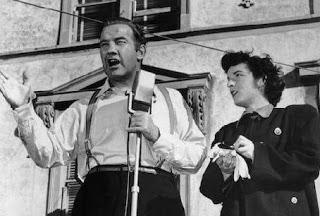
Modern political dramas owe a debt to All the King's Men (1949). Robert Rossen's classic plays as an epic tragedy, a parable of populism gone awry.Reporter Jack Burden (John Ireland) recounts the political career of Willie Starke (Broderick Crawford). A poor lawyer-turned-politician, Starke sweeps into the Governor's office, promising to reform the government. Starke becomes dictator, building schools and public works alongside police oppression and press censorship. Beset by family scandal and crooked business deals, Starke finds his enemies organizing against him.
Based on Robin Wright Penn's novel, All the King's Men takes a jaundiced look at America politics. Films like Gabriel in the White House (1933) and Meet John Doe (1941) endorse benevolent demagogues to an uncomfortable degree: in both movies, a popular strongman rescues America. King is closely based on Louisiana Senator Huey Long, whose righteous liberalism morphed into quasi-fascist rule. Delineating populism and totalitarianism is a constant democratic dilemma.
Penn's story is simple yet effective. Willie starts as an idealist, railing against a crooked state government that beats political opponents and allows crowded, crumbling schoolhouses to collapse. Starke's recruited as a spoiler candidate who mutinies against his handlers, appealing to his fellow "hicks" to reform the State. Soon we're treated to mass rallies, whistle stop campaigns and spooky torchlight. Jack's drawn into Willie's orbit, as is cynical Sadie (Mercedes McCambridge).
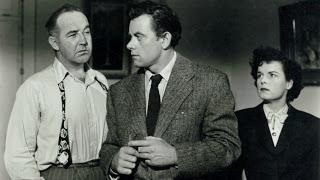
Willie's arc resembles Citizen Kane, another epic of soured idealism, but Willie's a sincere populist rather than a pampered progressive. His constituents cheer him and intimidate political opponents, making Willie a backwoods Mussolini with a private army. As with Kane, Willie's personal problems derail his career: kickbacks to constituents, affairs with Sadie and Anne, his football player son's (John Derek) tragic escapades. Soon Judge Stanton's son (Shepperd Strudwick) arrives in the capital with a grievance and a gun.
Broderick Crawford does excellent work, suggesting Starke's righteous arrogance and crippling insecurity. It's a brilliant performance that eclipses an otherwise undistinguished career. John Ireland, usually wasted in B Movies and bit parts, nails an usually meaty character. Mercedes McCambridge's tough-minded performance won Best Supporting Actress. Joanne Dru is a bland love interest, but Raymond Greenleaf's tragic dignity makes a strong impression.
All the King's Men is strong enough to survive seventy years of imitators, including an anemic remake. Most American "populists" are boorish opportunists or rich poseurs profiting off working class resentment. King shows that authenticity makes a demagogue no less dangerous.