Planning a trip to Albania? Here’s what actually matters before you go, from entry rules and money to safety and easy mistakes to avoid.
I’ve travelled all over Albania, from mountain villages in the north to sleepy coastal towns in the south, and I’ve learnt a lot through trial and error.
I’ve missed furgons, overpacked (and underpacked) for hikes, and learnt what you can and can’t pay for with a card outside the big towns.
In this post, I’ve covered what to pack, how to get around, and smarter ways to plan your route so you see more than the headline sights.
Use these tips to dodge common hassles, understand local etiquette, and land on your feet from day one.
Table of Contents
Toggle- Entry Requirements and Visas
- Essential documents
- Travel insurance
- Currency and Money Tips
- Local currency
- Cash vs cards
- Tipping etiquette
- Mobile Phones and Staying Connected
- SIM cards and internet
- Wi-Fi availability
- Safety in Albania
- Is Albania safe for travellers?
- Solo travel safety
- Emergency numbers
- Health and Hygiene
- Can you drink tap water?
- Vaccinations and health precautions
- Pharmacies and medical care
- Best Time to Visit Albania
- Seasonal guide
- Peak vs off-peak travel
- Getting Around Albania
- Public transport
- Renting a car
- Taxis and ride-hailing
- Hitchhiking
- Accommodation Options
- Where to stay in Albania
- Booking accommodation
- Language and Communication
- Do people speak English?
- Useful Albanian phrases
- Cultural Etiquette
- Albanian customs and social norms
- The xhiro tradition
- Dress codes
- Exploring Nature and Adventure Travel
- Top hiking and outdoor spots
- Albanian beaches
- Food and Dining in Albania
- Traditional Albanian dishes
- Vegetarian and vegan food
- Eating out
- Budget Travel Tips
- How affordable is Albania?
- Where to save money
- Environmental Considerations
- Sustainable travel in Albania
- Responsible hiking and camping
- Albania for Digital Nomads
- Work-friendly cities
- SIM cards and connectivity
- Packing Tips for Albania
- Essentials
- Local shopping
- Final Thoughts
Need help planning your next trip? Hire me as your Personal Travel Planner!
Entry Requirements and Visas
Whether you need a visa for Albania depends on your nationality.
Travellers from the UK, EU, Canada and Australia can usually visit visa-free for up to 90 days in any 180-day period.
If you’re from the US, you can stay visa-free for up to a year.
Rules change occasionally, so it’s always worth checking the latest information with an Albanian embassy or consulate before you go.
Essential documents
You’ll need a valid passport to enter. Make sure it’s got at least three months left after the date you plan to leave.
Albania isn’t in the Schengen zone, so your days here don’t count towards your Schengen limit, which is handy if you’re travelling long-term around Europe.
Travel insurance
I always recommend getting travel insurance whenever you go abroad.
Healthcare is affordable but basic outside the main cities, and an accident in the mountains or on the coast could end up being expensive without cover.
Pick a policy that includes medical evacuation and adventure activities if you plan on hiking, swimming, or renting a car.
It’s one of those things you hope never to use but will be very glad to have if you need it.
Currency and Money Tips
Local currency
Albania uses the Lek (ALL), and cash is still king. You might see prices in euros along the coast, but you’ll almost always get a worse rate if you try to pay that way.
Exchange rates are usually best at local bureaus in bigger towns like Tirana or Shkodër.
I normally just withdraw from an ATM. It’s easier and usually works out about the same once you factor in fees.
Cash vs cards
Outside the main cities, card machines are hit and miss. Some restaurants have them but claim they’re “broken,” which usually means they’d rather be paid in cash.
ATMs are easy to find in towns, but in smaller villages they can be rare, so keep a bit of cash handy.
Once, I ran out of Lek and had to borrow a few thousand from another traveller just to pay for dinner. Not ideal.
Tipping etiquette
Tipping isn’t compulsory, but it’s always appreciated. In restaurants and cafés, round up the bill or leave 5–10% for good service.
In taxis or small shops, just rounding up to the nearest hundred Lek is fine.
Mobile Phones and Staying Connected
SIM cards and internet
Getting a local SIM in Albania is quick and cheap. Vodafone and One Albania are the main networks, and both have solid coverage across the country.
You can pick up a prepaid SIM at the airport or in any phone shop. Just bring your passport for registration.
I usually go with Vodafone. Their tourist SIMs include plenty of data for around 1,500–2,000 ALL, which easily lasts a couple of weeks unless you’re constantly uploading videos.
Signal is good in most towns, though it drops off in the mountains.
When I was hiking between Theth and Valbonë, I lost service for most of the day. It was actually nice to be properly offline for a while.
Wi-Fi availability
Wi-Fi’s decent across Albania. Most cafés, hotels and guesthouses have it, and speeds are fine for remote work or video calls.
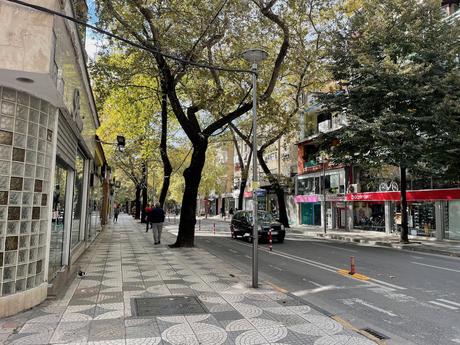
In rural areas, though, the connection can be patchy or slow, so a local SIM is worth having as backup. In Tirana, I worked from cafés in Blloku and barely had any connection issues.
Safety in Albania
Is Albania safe for travellers?
Yes — Albania is one of the safest countries I’ve travelled in. Petty theft happens occasionally in touristy spots, but violent crime is extremely rare.
Most Albanians are friendly and curious when they realise you’re visiting their country.
I’ve walked alone at night in Tirana and Sarandë and never felt unsafe, though still use common sense. Keep valuables close, avoid unlit alleys, and don’t flash cash or expensive gear.
Solo travel safety
Albania’s great for solo travel, including for women. People look out for visitors, especially in smaller towns.
That said, always trust your instincts and share your plans if you’re heading somewhere remote.
When I go hiking, I always let my hotel/guesthouse host know which trail I’m taking. It’s a simple precaution that just makes sense in areas with spotty phone signal.
Emergency numbers
Dial 112 for emergencies. It connects you to police, ambulance, or fire services.
Keep your accommodation’s number handy too. Locals can often help translate if you need assistance quickly.
Health and Hygiene
Can you drink tap water?
Tap water quality varies. In most parts of Albania (outside of Tirana), I wouldn’t drink it, though it’s fine for brushing your teeth.
I stick to bottled water or use a filter bottle to cut down on plastic. You’ll find bottled water everywhere and it’s cheap.
In the mountains, some guesthouses have spring water that’s perfectly safe, but always ask before filling up.
Vaccinations and health precautions
Check you’re up to date with standard vaccines like tetanus and hepatitis A before travelling.
Albania doesn’t have any unusual health risks, but if you’re planning to spend time hiking or camping, bring basic first aid and a few common meds.
I always carry something for stomach upsets. New food, strong coffee, and long mountain drives can catch anyone out.
Pharmacies and medical care
Pharmacies are easy to find in towns and cities. Staff are usually helpful, and many speak basic English.
Public hospitals exist in most larger towns, though private clinics in Tirana or Shkodër tend to be more reliable.
In remote areas, medical facilities are limited, so decent travel insurance really matters.
Best Time to Visit Albania
Seasonal guide
Albania’s weather changes a lot from north to south. Summers are long, hot and dry, especially on the coast. June to September is perfect for beach trips if you don’t mind the heat.
For hiking and exploring inland, I prefer spring and autumn. April to May and September to October bring cooler temperatures, wildflowers in the valleys, and fewer crowds on the trails.
Peak vs off-peak travel
July and August are the busiest months, particularly along the Albanian Riviera. Beaches like Ksamil and Dhërmi fill up fast, and prices jump.
If you can, aim for the shoulder seasons. Late spring and early autumn are much quieter, the sea’s still warm, and accommodation is easier to find at reasonable prices.
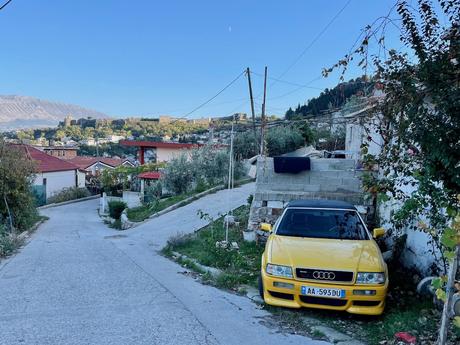
Inland routes like Lake Koman or Gjirokastër are especially good at that time of year.
Getting Around Albania
Public transport
Public transport in Albania is an adventure in itself. Buses run between major cities, and furgons (shared minivans) handle the smaller routes.
They don’t always follow fixed timetables, and usually leave when full, so flexibility helps.
I’ve spent more than one morning waiting for a furgon that was “coming in five minutes”…
Locals are helpful, though, and will usually point you in the right direction.
Renting a car
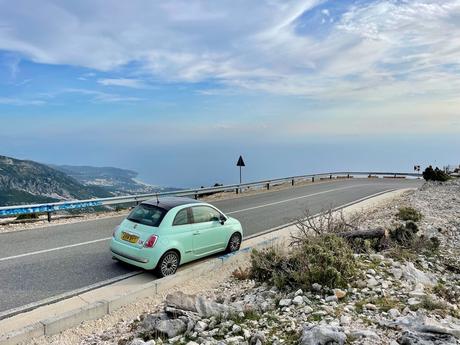
Hiring a car gives you real freedom, especially for remote places like Theth or the southern beaches.
Roads have improved a lot in recent years, but rural tracks can still be rough. Drive carefully and expect the odd goat or pothole around blind corners.
Remember Albania isn’t in the EU, so check your insurance covers it before crossing borders with a rental.
Taxis and ride-hailing
Taxis are easy to find in Tirana, Sarandë and Durrës. Most don’t use meters, so always agree on a price first.
Bolt and Uber don’t operate here, though some local apps have started popping up.
In smaller towns, you can usually ask your accommodation to call a reliable driver for you.
Hitchhiking
Hitchhiking is still common in rural areas, and locals often stop just to help.
I’ve done it a couple of times without any problems, but I wouldn’t recommend doing it after dark or on isolated roads.
Accommodation Options
Where to stay in Albania
You’ll find everything from basic hostels to high-end boutique hotels across Albania.
My favourites are the small, family-run guesthouses. They’re often half the price of hotels and include home-cooked meals that easily rank among the best you’ll eat here.
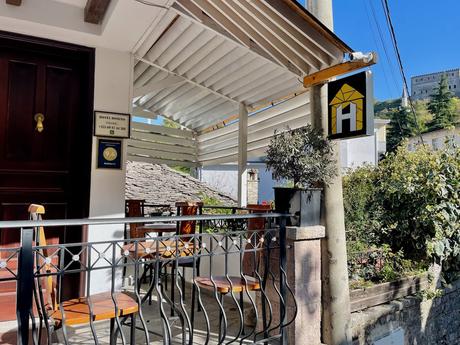
In Gjirokaster, my guesthouse host brought out freshly baked bread and homemade rakia before I’d even unpacked my bag. That kind of warmth is typical across the country.
Booking accommodation
Booking.com and Airbnb both work well, though you can sometimes find better prices by messaging guesthouses directly once you’ve found them online.
In smaller towns, a quick WhatsApp chat or even just turning up usually does the trick.
If you’re travelling in summer, it’s worth booking a few days ahead, especially on the Riviera. In spring or autumn, you can usually find a room last-minute without any trouble.
Albania’s accommodation scene is growing fast, so standards vary. You’ll get the odd wobbly shower head, but also some of the most genuine hospitality you’ll ever experience.
Language and Communication
Do people speak English?
In cities and tourist areas, most younger Albanians speak some English, and they’re usually keen to practise.
In smaller towns and villages, though, you might get a few puzzled looks. Not out of rudeness, just because English isn’t widely spoken.
When that happens, a smile and a few gestures go a long way. I’ve ordered meals, booked rooms, and even negotiated minibus rides using little more than hand signals and Google Translate.
Making the effort to learn a few words in Albanian is always appreciated. Even just a “faleminderit” (thank you) can turn a polite exchange into a friendly chat.
Useful Albanian phrases
Hello – Përshëndetje
Thank you – Faleminderit
Please – Ju lutem
Yes – Po
No – Jo
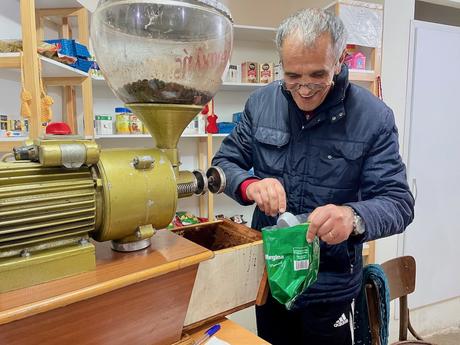
Locals genuinely light up when you try. I once stumbled through a few words of Albanian to an elderly shopkeeper in Gjirokastër and left with a free apple and a grin that made my day.
Cultural Etiquette
Albanian customs and social norms
Albanians are famously hospitable. If you’re invited for coffee or a meal, don’t be surprised if you’re treated like family five minutes after meeting someone.
A handshake and eye contact are normal when greeting people, and refusing food or drink can come across as rude. Though people understand if you’re genuinely full.
In religious sites, keep your voice low and dress modestly. Always ask before taking photos, especially if people are praying.
The xhiro tradition
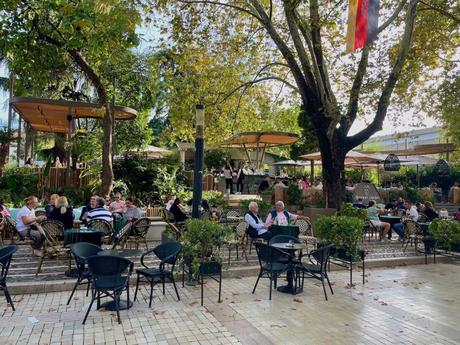
One of my favourite Albanian customs is the xhiro, the evening stroll locals take through town.
Around sunset, everyone comes out to walk, chat, and people-watch. It’s more social ritual than exercise.
Join in and you’ll soon find yourself talking to strangers on park benches or being offered a gelato by someone’s grandmother. It’s a brilliant way to feel part of the community.
Dress codes
Dress is generally relaxed, especially in summer, though modest clothing is expected at religious sites. Cover your shoulders and knees in churches or mosques.
In cities and beach towns, casual clothes are fine. Albanians tend to dress neatly but not formally.
Exploring Nature and Adventure Travel
Top hiking and outdoor spots
Albania’s mountains are some of the most beautiful – and underrated – in Europe.
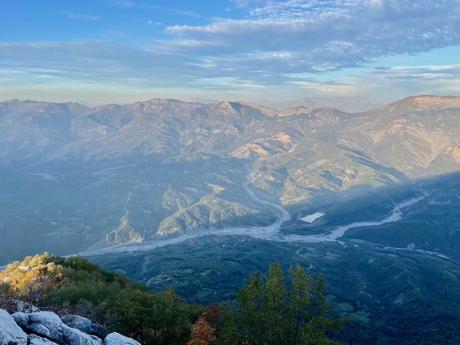
The Theth to Valbonë hike is a standout, taking around seven hours over a high mountain pass with spectacular views the whole way.
For other hikes, check out Llogara Pass on the coast or the trails around Lake Koman.
Some routes aren’t well-marked, so download offline maps and let someone know your plans before setting off. Even short walks here can feel wild and remote.
Albanian beaches
The Albanian Riviera has become more popular in recent years, but you can still find quieter spots if you know where to look.
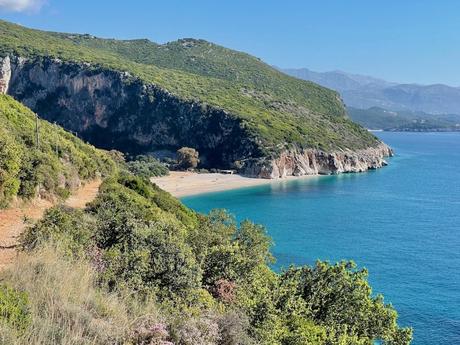
Ksamil, Himarë and Dhërmi have the postcard views, while Gjipe is one of my personal favourites. You reach it via a short, dusty walk or by boat from nearby beaches.
For clear water and space to yourself, visit in May or September when the crowds have gone and the sea’s still warm.
Food and Dining in Albania
Traditional Albanian dishes
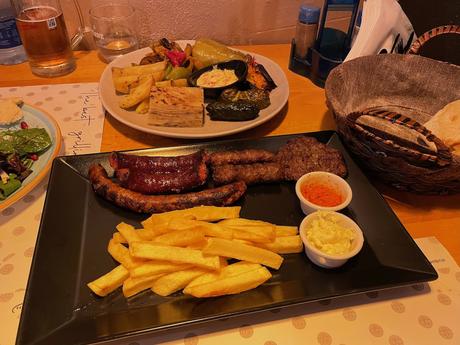
Albanian food is hearty, simple, and full of flavour. You’ll eat a lot of grilled meat, fresh vegetables, cheese, and bread baked that morning.
Don’t miss byrek (flaky pastry filled with cheese, spinach, or meat), tavë kosi (baked lamb with yoghurt), and fërgesë, a rich mix of peppers, tomatoes, and cheese.
I still think about a tavë kosi I had in Tirana. Bubbling hot from the oven, served with homemade wine that probably cost less than the water.
Vegetarian and vegan food
If you’re vegetarian, you’ll be fine in most places. Many dishes can be made without meat, and you’ll find lots of veggie byrek, bean stews, and fresh salads.
Vegan options are rarer in rural areas, but Tirana and coastal towns are catching up with cafés offering plant-based meals.
When in doubt, point at the vegetable dishes behind the counter. It usually works.
Eating out
Eating out in Albania is great value. A filling local meal costs around 1,000 ALL, sometimes less inland.
Street food and small family restaurants often serve the best food you’ll find, especially in towns like Gjirokastër or Korçë.
It’s also common for restaurant owners to join you for a chat. And occasionally a shot (or two) of rakia.
Budget Travel Tips
How affordable is Albania?
Albania is still one of the best-value destinations in Europe. You can eat well, stay comfortably, and travel long distances without spending much.
Hostel dorms usually start around 1,200–2,000 ALL, while decent double rooms in guesthouses go for 3,000–6,000 ALL.
Meals at local restaurants are typically around 1,000 ALL, and even less inland.
Public transport’s cheap too. Travelling from Tirana to Sarandë by bus costs less than a takeaway coffee in London.
Renting a car will obviously bump up your costs, but I’d still recommend this for the sake of speed and convenience if your budget will allow it.
Where to save money
You’ll save most by eating local and travelling outside the summer peak. Guesthouses often include breakfast and sometimes dinner, so it’s worth checking when you book.
If you’re flying from elsewhere in the Balkans, compare flights into Tirana with Podgorica in Montenegro. It’s sometimes cheaper and only a few hours away by road.
Don’t forget that some of Albania’s best experiences – hiking in the mountains, swimming in hidden coves, wandering old towns – cost nothing at all.
Environmental Considerations
Sustainable travel in Albania
It’s pretty easy to travel responsibly in Albania. Recycling isn’t widespread yet, so bringing a reusable water bottle and shopping bag makes a small but real difference.
If you can, refill bottles rather than buying new ones. Many guesthouses are happy to help.
I try to support family-run businesses whenever possible. Staying in local guesthouses, buying fruit at markets, or eating at small restaurants all help keep money in the community.
You’ll also get a more genuine experience that way.
Responsible hiking and camping
If you’re heading into the mountains, follow basic leave-no-trace rules. Stick to marked trails, avoid fires in dry season, and pack out everything you bring in.
Albania’s landscapes are still remarkably untouched, and it’s up to visitors to keep them that way.
Wild camping is tolerated in many areas, but always ask if you’re near a village or farmland.
In remote spots, locals often appear out of nowhere to say hello. And sometimes bring homemade cheese or rakia, which is hard to refuse.
Albania for Digital Nomads
Work-friendly cities
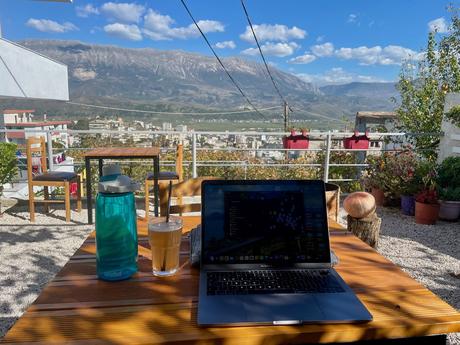
Tirana’s the best base for digital nomads in Albania. It’s got reliable Wi-Fi, a growing coworking scene, and loads of cafés that don’t mind you hanging around with a laptop.
The neighbourhood of Blloku is full of good spots to work from.
Durrës is another option if you want to be by the sea, though it’s quieter outside summer. Internet speeds are good in most towns, but rural areas can still be hit and miss.
If you need a coworking space, Dutch Hub and Innospace in Tirana are solid choices. They’re friendly, affordable, and easy to reach from the city centre.
SIM cards and connectivity
For mobile data, Vodafone and One Albania are your best bets. Tourist SIMs cost around 1,500–2,500 ALL and come with plenty of data.
Speeds are fast in cities and along main roads, though remote mountain areas can be patchy.
I often hotspot from my phone while travelling and rarely have issues. It’s one of the easiest countries in the Balkans to stay connected.
Packing Tips for Albania
Essentials
What you pack really depends on the season and where you’re heading.
Summers are hot, so bring lightweight clothes, sunscreen, and swimwear.
For spring or autumn trips, pack layers. Mountain evenings can get chilly even when the coast is warm.
If you’re planning to hike, decent boots and a waterproof jacket are musts. The trails can be rocky, and sudden downpours aren’t unusual.
I also recommend a universal adaptor and a filter bottle to cut down on disposable plastic water bottles.
Local shopping
If you forget something, you’ll find plenty of shops in Tirana and other large towns. International brands are available, but local markets are often cheaper and more fun to browse.
Outdoor gear is harder to find, though, especially in the mountains, so bring any essentials from home. Things like good hiking socks and a reliable head torch.
Final Thoughts
Albania really surprised me. It’s one of those places that rewards curiosity. The kind of country where the best moments usually happen between the big sights.
Whether it’s sharing homemade rakia with a guesthouse host, watching the sun set over the Riviera, or winding through mountain roads with no one else in sight, Albania has a way of getting under your skin.
Take your time here. Talk to locals, wander off the main routes, and don’t be afraid to improvise. Plans in Albania rarely go exactly as expected, and that’s part of the fun.
If you come with an open mind, you’ll leave with great stories, new friends, and a strong urge to return.