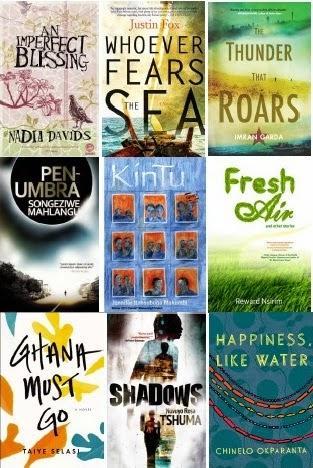
 On November 4th 2014, Etisalat Nigeria
announced the longlist for the 2nd Etisalat Prize for Literature, which
according to Chair of Judges Sarah Ladipo Manyika "is reflective of the
great diversity presented by the full list of submissions this year". The press release can be found here.
On November 4th 2014, Etisalat Nigeria
announced the longlist for the 2nd Etisalat Prize for Literature, which
according to Chair of Judges Sarah Ladipo Manyika "is reflective of the
great diversity presented by the full list of submissions this year". The press release can be found here. In this post I look at the longlisted novels, of which Matthew Willsher, Chief Executive Officer, Etisalat Nigeria explains, “Five of the nine finalists are books authored by women; one of the nine finalists is a Nigerian citizen and two are from Nigeria/American and Nigerian/Ghana decent. The longlist also features writers from South Africa, Uganda and Zimbabwe”.
 Nadia Davids is an award-winning South African writer (plays, articles, short stories, screenplays). in her debut novel, An Imperfect Blessing, it is 1993. South Africa is on the brink of total transformation and in
Walmer Estate, a busy suburb on the vertiginous slopes of Devil’s Peak,
fourteen-year-old Alia Dawood- clumsy, combative, given to big speeches
and a terrible dress-sense – is about to undergo a transformation of her
own. She watches with fascination and fear as the national drama
unfolds and longs to be a part of what she knows to be
history-in-the-making. And in the months before the election, her
intense, radical Uncle Waleed reappears, forcing her parents and sister
Nasreen to confront his subversive and dangerous past. Nadia David's first novel moves across generations and communities, through suburbs to the city centre, from the lush gardens of private schools to the dingy bars of Observatory, from landmark mosques and churches to the manic procession of the Cape Carnival, through evictions, rebellions, political assassinations and first loves. The book places one family's story at the heart of a country's rebirth and interrogates issues of faith, race, belonging and freedom.
Nadia Davids is an award-winning South African writer (plays, articles, short stories, screenplays). in her debut novel, An Imperfect Blessing, it is 1993. South Africa is on the brink of total transformation and in
Walmer Estate, a busy suburb on the vertiginous slopes of Devil’s Peak,
fourteen-year-old Alia Dawood- clumsy, combative, given to big speeches
and a terrible dress-sense – is about to undergo a transformation of her
own. She watches with fascination and fear as the national drama
unfolds and longs to be a part of what she knows to be
history-in-the-making. And in the months before the election, her
intense, radical Uncle Waleed reappears, forcing her parents and sister
Nasreen to confront his subversive and dangerous past. Nadia David's first novel moves across generations and communities, through suburbs to the city centre, from the lush gardens of private schools to the dingy bars of Observatory, from landmark mosques and churches to the manic procession of the Cape Carnival, through evictions, rebellions, political assassinations and first loves. The book places one family's story at the heart of a country's rebirth and interrogates issues of faith, race, belonging and freedom. 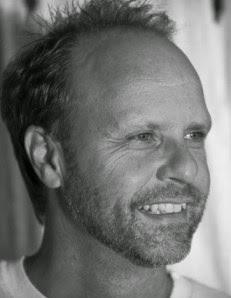 Justin Fox is a South African travel writer and photographer. In his debut novel Whoever Fears the Sea South African scriptwriter Paul Waterson is in Kenya to carry out research for a documentary film. It's October 2001, and his relationship has come to an end. Searching for solace in Mombasa, Malindi and Lamu, he becomes obsessed with finding the last remaining mtepe dhow in Somalia, a magnificent, sewn vessel harking back to Africa's rich maritime past. But getting someone to take him into Somali waters proves near impossible. When he does manage to talk a dhow captain into the journey, he and the crew are oblivious to the dangers that lie ahead.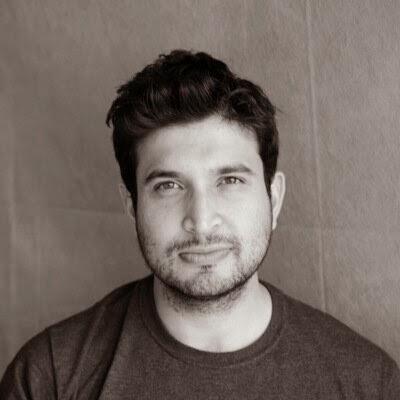
Imran Garda is a journalist and news anchor. In his debut novel The Thunder That Roars, Yusuf Carrim has made it in New York. His tech-savvy coverage of the Arab Spring saw his journalism career skyrocket. But when his wealthy father asks him to help look for Sam, a missing family friend, he must return to South Africa. Yusuf’s search takes him to places he could never have imagined. Enlisting the help of an eccentric professor and Sam’s exotic uncle, Yusuf discovers facts that undermine a lifetime’s assumptions about his own identity – and prompt him to step up the search for Sam before it is too late. From the suburbs of Johannesburg to the streets of Bulawayo, from Dubai airport to an immigrant facility on the Mediterranean island of Lampedusa, Yusuf’s quest to find Sam turns into an inward journey of his own.
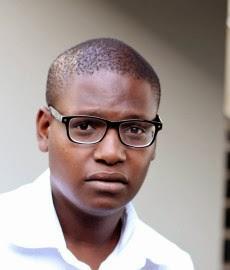
Penumbra, South African writer - Songeziwe Mahlangu debut novel - is a product of his Creative Writing Masters degree. In Penumbra, Mangaliso Zolo is a hapless recent graduate, still living in the southern suburbs of Cape Town near the university. Manga has an office job at a large insurance company, but he is anonymous and overlooked in this vast bureaucracy. Penumbra charts Manga's daily struggles with mental illness and the twin pull, from his many friends and acquaintances, between a reckless drug-fuelled lifestyle and charismatic Christianity. The novel brings an alternative experience of Cape Town to life, one far removed from both the gloss of tourism brochures and the familiar poverty of the Flats. Mahlangu's voice is unlike anything South African literature has yet seen and this debut novel dissects young, urban slackers in South Africa with startling precision.
Jennifer Nansubuga Makumbi is a Ugandan novelist and short story writer. Her debut
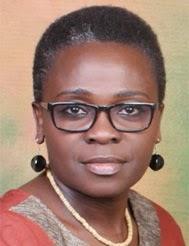

Taiye Selasi is a writer and photographer of Nigerian and Ghanian origin who wrote the

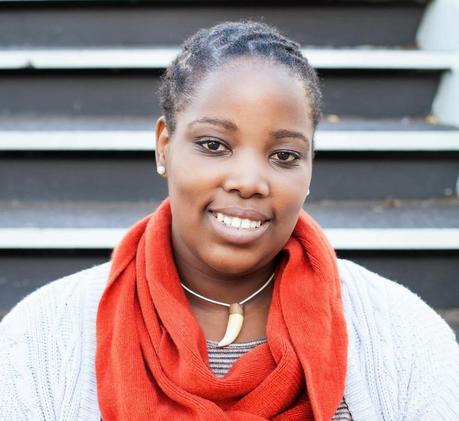
Chinelo Okparanta was born in Port Harcourt, Nigeria. She is the author of 'America' (2012), which was shortlisted for the 2013 Caine Prize for African Writing. In her debut collection, Happiness, Like Water, Chinelo Okparanta introduces us to families burdened
It is 1993. South Africa is on the brink of total transformation and in Walmer Estate, a busy suburb on the slopes of Devil’s Peak, fourteen-year-old Alia Dawood is about to undergo a transformation of her own. She watches with fascination and fear as the national drama unfolds, longing to be a part of what she knows to be history in the making. As her revolutionary aspirations strengthen in the months before the elections, her intense, radical Uncle Waleed reappears, forcing her parents and sister Nasreen to confront his subversive and dangerous past. Nadia David’s first novel moves across generations and communities, through the suburbs to the city centre, from the lush gardens of private schools to the dingy bars of Observatory, from landmark mosques and churches to the manic procession of the Cape Carnival, through evictions, rebellions, political assassinations and first loves. The book places one family’s story at the heart of a country’s rebirth and interrogates issues of faith, race, belonging and freedom. An Imperfect Blessing is a vibrant, funny and moving debut - See more at: http://www.randomstruik.co.za/books/an-imperfect-blessing/5395#sthash.9c8bg4rg.dpuf
It is 1993. South Africa is on the brink of total transformation and in Walmer Estate, a busy suburb on the slopes of Devil’s Peak, fourteen-year-old Alia Dawood is about to undergo a transformation of her own. She watches with fascination and fear as the national drama unfolds, longing to be a part of what she knows to be history in the making. As her revolutionary aspirations strengthen in the months before the elections, her intense, radical Uncle Waleed reappears, forcing her parents and sister Nasreen to confront his subversive and dangerous past. Nadia David’s first novel moves across generations and communities, through the suburbs to the city centre, from the lush gardens of private schools to the dingy bars of Observatory, from landmark mosques and churches to the manic procession of the Cape Carnival, through evictions, rebellions, political assassinations and first loves. The book places one family’s story at the heart of a country’s rebirth and interrogates issues of faith, race, belonging and freedom. An Imperfect Blessing is a vibrant, funny and moving debut - See more at: http://www.randomstruik.co.za/books/an-imperfect-blessing/5395#sthash.9c8bg4rg.dput is 1993. South Africa is on the brink of total transformation and in Walmer Estate, a busy suburb on the vertiginous slopes of Devil’s Peak, fourteen-year-old Alia Dawood- clumsy, combative, given to big speeches and a terrible dress-sense – is about to undergo a transformation of her own. She watches with fascination and fear as the national drama unfolds and longs to be a part of what she knows to be history-in-the-making. And in the months before the election, her intense, radical Uncle Waleed reappears, forcing her parents and sister Nasreen to confront his subversive and dangerous past… It is 1993. South Africa is on the brink of total transformation and in Walmer Estate, a busy suburb on the slopes of Devil’s Peak, fourteen-year-old Alia Dawood is about to undergo a transformation of her own. She watches with fascination and fear as the national drama unfolds, longing to be a part of what she knows to be history in the making. As her revolutionary aspirations strengthen in the months before the elections, her intense, radical Uncle Waleed reappears, forcing her parents and sister Nasreen to confront his subversive and dangerous past. Nadia David’s first novel moves across generations and communities, through the suburbs to the city centre, from the lush gardens of private schools to the dingy bars of Observatory, from landmark mosques and churches to the manic procession of the Cape Carnival, through evictions, rebellions, political assassinations and first loves. The book places one family’s story at the heart of a country’s rebirth and interrogates issues of faith, race, belonging and freedom. An Imperfect Blessing is a vibrant, funny and moving debut - See more at: http://www.randomstruik.co.za/books/an-imperfect-blessing/5395#sthash.9c8bg4rg.dpuf It is 1993. South Africa is on the brink of total transformation and in Walmer Estate, a busy suburb on the slopes of Devil’s Peak, fourteen-year-old Alia Dawood is about to undergo a transformation of her own. She watches with fascination and fear as the national drama unfolds, longing to be a part of what she knows to be history in the making. As her revolutionary aspirations strengthen in the months before the elections, her intense, radical Uncle Waleed reappears, forcing her parents and sister Nasreen to confront his subversive and dangerous past. Nadia David’s first novel moves across generations and communities, through the suburbs to the city centre, from the lush gardens of private schools to the dingy bars of Observatory, from landmark mosques and churches to the manic procession of the Cape Carnival, through evictions, rebellions, political assassinations and first loves. The book places one family’s story at the heart of a country’s rebirth and interrogates issues of faith, race, belonging and freedom. An Imperfect Blessing is a vibrant, funny and moving debut - See more at: http://www.randomstruik.co.za/books/an-imperfect-blessing/5395#sthash.9c8bg4rg.dpuf