Summer can really turn up the heat in your kitchen. Here's how to use summer recipes and smart cooking tips to keep cool when it's just too hot. While a warm and cozy kitchen feels great in winter, it can be choked when temperatures rise in summer. Using large appliances such as an oven or stove can make your kitchen too hot. The heat can even spread to other areas of your home and keep your air conditioner working overtime. But you don't have to choose between cooking and staying cool this summer. Try these strategies to eat well without wilting.
1. Stay hydrated
Hydration is the # 1 rule for any summer activity, and cooking is no exception - even when you're indoors. When you work in the kitchen, always have a glass of water with ice ready to drink from. Do you want to spice it up a bit? Try water infusions for more flavor and refreshment. Are you planning to sweat it out? Add sea salt and lemon to boost electrolytes and taste.
2. Don't cook
For more of that
Subscribe to the CNET Now newsletter to receive the most important stories of the day from our editors.
Don't want to heat up your kitchen? Don't cook. But that doesn't mean you can't eat. Focus on cook-free, fresh foods like summer salads, ceviche, and cold pasta. Even cutting fresh fruit or vegetables like cucumbers and melons can be a refreshing and healthy summer treat. And no cook foods help fight the heat in two ways: by keeping your kitchen or body from heating up as you eat them.
More ideas from Chowhound:3. Cooking outside
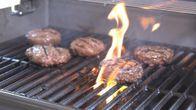
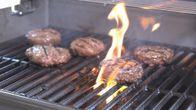
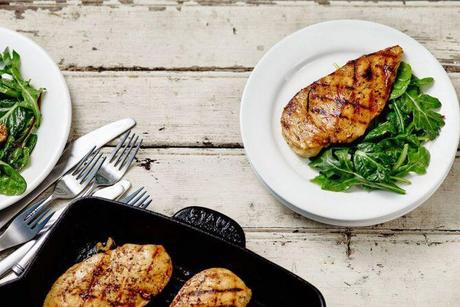
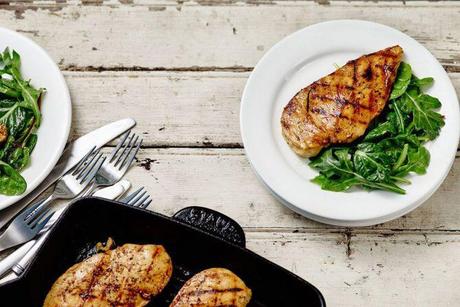
Take the heat out of the kitchen by cooking outdoors this summer. Grilled chicken or grilled steaks are classics for the grill, but don't forget that you can grill summer favorites like corn on the cob or watermelon too. They can be hot while using a grill or smoking outside to heat food, but your kitchen can stay cool.
Other ways to use your grill:4. Use small devices
By minimizing the use of the oven and stove, you can avoid heating up your kitchen. Small appliances can cook your food just as well and emit less heat than large appliances. Try using a toaster instead of your wall-mounted oven, or a panini press instead of the stovetop. You'd be surprised how versatile small appliances can be. Your slow cooker and instant pot are not only suitable for winter soups and stews. Think of summer recipes that you can get on your countertop like Instant Pot Pork Carnitas. And don't turn your nose up on your microwave, which can zap rice, quinoa, vegetables, and more while virtually no heat is being generated.
Check out these chowhound recipe collections for more ideas:5. Batch Cook
If you want to heat up your kitchen, make it worth it. When using your oven or hob, you are making larger quantities than normal. That way, you can use pre-cooked leftovers, which means you'll have groceries ready without re-heating your kitchen. For example, if you're roasting a chicken in your oven, you can use leftovers to make tacos, chicken salad nachos, and other meals that don't require you to re-light your oven.
More tips:6. Cook when it's cool
If you're cooking in your kitchen when it's already hot outside (and maybe hot at home), just turn up the heat. Plan ahead and plan your cooking times when it's not that hot. The best time to cook to avoid the heat is in the morning or later in the evening. This may sound easier said than done, but you can bake bread in the morning or cook protein or pasta for breakfast so they're ready for dinner.
7. Use fans
The airflow can help cool your kitchen. When you are using your stove, switch on the extractor hood. Not only does it remove grease, fumes, and odors, but it also removes smoke, heat, and steam that can build up during cooking and warm your kitchen. You can also leave a fan on in the kitchen to move and cool the air. You can also position your fan so that hot air comes out or bring in cold air with a cool, damp towel. This suction cup battery-powered kitchen fan is just $ 20 on Amazon.
8. Limit the lighting
Sunlight and even artificial indoor light can create heat, and when you're in the summer heat, every degree counts. Dim the lights, close all curtains, close the blinds, and limit the number of lights that are on. You don't have to work in the dark, you need to be careful when turning on a lot of ceiling lights.