


Most ecommerce sites leave 40-60% of their potential organic traffic on the table. While your competitors obsess over paid ads, smart operators are quietly dominating search results with systematic SEO strategies that compound month after month.
This guide delivers seven battle-tested tactics that consistently move the needle for online stores. Each tip includes specific implementation steps, real performance benchmarks, and common pitfalls to avoid. By the end, you’ll have a clear roadmap to capture more qualified buyers through search.
What You Need Before Starting
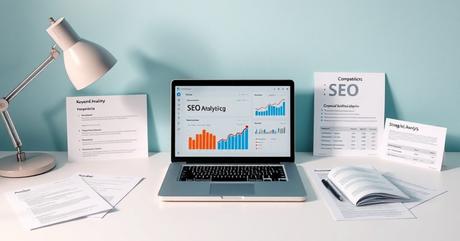
Before diving into tactics, ensure you have these foundations in place:
- Google Analytics 4 and Google Search Console connected to your site
- Access to your website’s backend (WordPress admin, Shopify admin, etc.)
- A keyword research tool like Ahrefs, SEMrush, or free Google Keyword Planner
- Basic understanding of your target customer and their search behavior
- At least 50 product pages or blog posts to optimize (smaller catalogs can still benefit but results take longer)
1. Optimize Product Pages for Long-Tail Keywords

Most ecommerce sites target broad keywords like “running shoes” and wonder why they can’t crack page one. The winning play? Target specific, buyer-intent phrases your customers actually use.
Research Process:
Implementation Steps:
Title Tag Formula: Primary Keyword + Brand + Key Benefit
- Bad: “Nike Air Max 270 – Nike Store”
- Good: “Nike Air Max 270 Black Running Shoes for Men | Lightweight Comfort”
Product Description Structure:
- First 160 characters: Include primary keyword and main selling point
- Middle section: Feature bullets addressing search intent
- Bottom section: Technical specs and materials
Performance Benchmark: Well-optimized product pages typically see 15-25% increases in organic clicks within 60-90 days.
2. Create Category Pages That Actually Rank

Category pages are your secret weapon for capturing high-volume commercial keywords, but most sites treat them as afterthoughts with thin content that Google ignores.
Category Page SEO Architecture:
Title Tag [Category] + [Modifier] + Brand “Women’s Running Shoes – Performance & Comfort – SportsCo”
H1 Header Match title tag keyword “Women’s Running Shoes”
Intro Text 150-300 words, include related keywords Covers benefits, use cases, popular brands
Faceted Navigation SEO-friendly URLs /womens-running-shoes/nike/ not /category?filter=nike
Related Categories Internal link clusters Link to “Women’s Cross Training” and “Running Accessories”
Content That Converts:
- Buying guides addressing common questions
- Comparison tables between popular products
- Size guides and fit recommendations
- Customer review summaries and ratings
Pro Implementation Tip: Add unique value propositions above the product grid. Instead of generic “Shop our selection,” write “Over 200 women’s running shoes from Nike, Adidas, and Brooks. Free shipping over $75, 60-day returns.”
3. Build Topic Clusters Around Commercial Intent
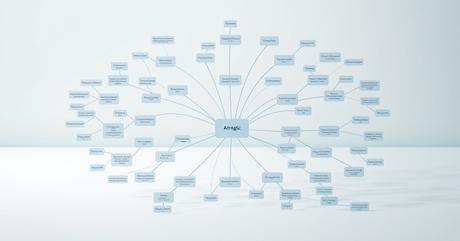
Topic clusters create topical authority while capturing buyers at different stages of their journey. The strategy: create pillar pages targeting broad commercial keywords, then build supporting content around specific questions and use cases.
Cluster Example – “Home Coffee Equipment”:
Pillar Page: “Best Home Coffee Equipment” (targets 2,000+ monthly searches)
Supporting Pages:
- “Espresso Machine vs French Press: Which Makes Better Coffee?” (500 searches)
- “How to Choose Coffee Grinder Burr Size” (300 searches)
- “Coffee Equipment for Small Kitchens” (400 searches)
- “Professional Coffee Setup Under $500” (250 searches)
Internal Linking Strategy:
Results Timeline: Topic clusters typically show ranking improvements within 3-4 months, with traffic gains accelerating as you publish more supporting content.
4. Steal Your Competitors’ Best Keywords
Competitor keyword analysis reveals proven opportunities your audience already searches for. Focus on gaps where competitors rank but you don’t.
Research Process:
Priority Framework:
- High Priority: 500+ monthly searches, positions 4-10 (easier to outrank)
- Medium Priority: 100-500 searches, positions 1-3 (harder but valuable)
- Low Priority: Under 100 searches (only if highly relevant)
Content Creation Strategy:
Don’t copy—improve. If a competitor has a “10 Best Coffee Makers” post ranking well, create “15 Best Coffee Makers Tested by Baristas” with more comprehensive reviews, better images, and updated recommendations.
5. Master Technical SEO Fundamentals
Technical SEO removes barriers preventing Google from understanding and ranking your content. E-commerce sites have specific requirements beyond basic websites.
Core Web Vitals Optimization:
- Largest Contentful Paint (LCP): Under 2.5 seconds
- First Input Delay (FID): Under 100 milliseconds
- Cumulative Layout Shift (CLS): Under 0.1
Quick Wins:
Image Optimization:
- Convert images to WebP format (30-50% smaller file sizes)
- Implement lazy loading for below-fold images
- Use descriptive alt text: “Nike Air Max 270 black running shoe side view” not “shoe-image-1.jpg”
Site Structure:
- Implement breadcrumb navigation on all pages
- Create HTML sitemaps for large product catalogs
- Use canonical tags to prevent duplicate content issues
- Set up structured data markup for products and reviews
Mobile Experience:
- Test checkout flow on mobile devices
- Ensure filter menus work smoothly on touch screens
- Optimize for voice search by including natural language phrases
Measurement: Use Google PageSpeed Insights and Search Console Core Web Vitals report to track improvements.
6. Leverage User-Generated Content for SEO
User-generated content (UGC) creates fresh, keyword-rich content that builds trust while improving rankings. Customer reviews, Q&As, and social proof generate long-tail keywords you’d never think to target.
Implementation Strategy:
Product Reviews:
- Implement review schema markup (increases click-through rates by 15-20%)
- Display review snippets on category pages
- Create review summary pages for popular products
- Respond to negative reviews professionally (shows active management)
Q&A Sections:
- Add FAQ sections to product pages
- Monitor Google Search Console for question-based queries
- Create dedicated Q&A pages for complex products
- Include video answers for technical questions
Social Proof Integration:
- Embed customer photos with proper attribution
- Create “Customer Spotlight” blog posts
- Feature user testimonials on landing pages
- Build “How customers use [product]” content
Performance Impact: Sites with robust UGC typically see 20-30% more organic traffic to product pages and higher conversion rates due to social proof.
7. Build Authority Through Strategic Link Building
Link building remains Google’s strongest ranking signal, but ecommerce sites need different strategies than SaaS or media companies. Focus on relevance and commercial value over pure domain authority.
Effective Link Building Tactics:
Resource Page Targeting:
Industry Partnerships:
- Partner with complementary brands for co-marketing
- Sponsor relevant industry events and conferences
- Contribute expert commentary to industry publications
- Create collaborative content with non-competing brands
Digital PR Approach:
- Create newsworthy content: industry surveys, trend reports, unique data
- Pitch seasonal angles tied to your products
- Offer expert commentary on industry developments
- Build relationships with relevant journalists and bloggers
Quality Benchmarks:
- Target sites with Domain Rating (DR) 30+ in Ahrefs
- Prioritize contextual links over sidebar/footer placements
- Focus on topically relevant sites over pure authority
- Aim for 2-5 high-quality links per month rather than quantity
Pro Tips for Maximum Impact
Avoid These Common Mistakes:
Advanced Tactics:
- Implement seasonal SEO campaigns for holiday shopping
- Create location-specific landing pages for shipping regions
- Use Google Trends to identify emerging product categories
- Set up Google Alerts for brand mentions and link opportunities
- Monitor competitors’ new product launches for content ideas
Measuring Your SEO Success
Track these metrics to validate your efforts:
Traffic Metrics:
- Organic sessions month-over-month
- Keyword ranking improvements
- Click-through rates from search results
- Pages per session for organic traffic
Revenue Metrics:
- Organic traffic conversion rate
- Revenue per organic visitor
- Assisted conversions from organic touchpoints
- Customer lifetime value from organic channels
Technical Metrics:
- Core Web Vitals scores
- Crawl error rates in Search Console
- Page loading speeds
- Mobile usability issues
Frequently Asked Questions
How long does it take to see SEO results for ecommerce sites?
Most ecommerce sites see initial ranking improvements within 3-6 months, with significant traffic gains occurring at 6-12 months. Product pages typically rank faster than competitive blog content. Sites with strong domain authority and consistent optimization efforts see results on the earlier end of this timeline.
Should I focus on product page SEO or blog content first?
Start with product page optimization if you have an established catalog. Product pages convert visitors into customers more directly than blog content. Once your core product pages are optimized, layer in blog content to capture top-of-funnel traffic and build topical authority.
How many keywords should I target per product page?
Target one primary keyword and 2-3 related long-tail variations per product page. Avoid keyword cannibalization by mapping unique primary keywords to each page. Use variations naturally in headers, descriptions, and alt text rather than forcing multiple unrelated keywords.
What’s the ideal blog posting frequency for ecommerce SEO?
Consistency matters more than frequency. Publishing 2-4 high-quality, comprehensive blog posts per month outperforms daily thin content. Focus on creating evergreen content that remains valuable over time, with seasonal posts timed to shopping cycles and product launches.
How do I optimize for voice search in ecommerce?
Optimize for conversational, question-based queries like “What’s the best coffee maker under $100?” Include natural language phrases in your content, create FAQ sections, and optimize for local search terms. Voice searches often have commercial intent, so ensure your product information is easily scannable.
SEO success in ecommerce requires patience, consistency, and a focus on user value over gaming algorithms. These seven strategies create a foundation for sustainable organic growth that compounds over time.
Ready to dive deeper into ecommerce growth strategies? Explore our comprehensive guides on conversion optimization, customer retention, and emerging marketing channels at e-commpartners.com.




Author's Latest Articles
-
Beyond Google: Why “Answer Engine Optimisation” (AEO) is the 2026 Survival Skill for Your Business
-
Anthropic Cuts OpenClaw Access, Offers Credits for Migration
-
Perplexity Launches AI Tax Assistant for 2026 Filing Season
-
How to Disable WordPress Comments: Complete Guide
Magazines
COMMUNITY MARKETING & ADVERTISING

-
 Ana Hoffman
873564 pt -
 Pro WebGuru
836301 pt -
trendmarketers
737838 pt -
 hpmurah2u
645001 pt