Latvia offers a wealth of experiences, from charming medieval cities and scenic national parks to picturesque beaches and unique cultural sites.
Whether you’re interested in exploring Riga’s historic architecture, hiking through lush forests, or exploring the wild Baltic coast, this guide to the best places in Latvia has you covered.
Outside of Riga, most of Latvia is still relatively undiscovered by international tourists. If you’re looking for a peaceful, alternative European destination, Latvia is a great option.
Plus, with eco-tourism on the rise, Latvia’s pristine nature and conservation efforts make it ideal for anyone looking to reconnect with nature.
Table of Contents
Toggle- 1. Riga
- 2. Sigulda
- 3. Jūrmala
- 4. Kuldīga
- 5. Cēsis
- 6. Gauja National Park
- 7. Rundāle Palace
- 8. Liepāja
- 9. Cape Kolka
- 10. Salaspils Memorial Ensemble
- 11. Daugavpils
- 12. Talsi
- 13. Sabile
- 14. Ventspils
- 15. Madona
- 16. Aglona Basilica
- 17. Pape Nature Reserve
- 18. Ķemeri National Park
- 19. Ludza
- 20. Koknese
- FAQs
- When is the best time to visit Latvia?
- Do I need a visa to visit Latvia?
- How can I travel around Latvia?
- Is Latvia budget-friendly for travellers?
- What currency is used in Latvia?
- Final Thoughts
Need help planning your next trip? Hire me as your Personal Travel Planner!
1. Riga
Riga, Latvia’s capital, is a captivating blend of medieval charm and Art Nouveau elegance.
The UNESCO-listed Old Town is a maze of cobbled streets, historic buildings, and colourful facades, perfect for wandering and soaking in the atmosphere.
The Riga Cathedral (Rīgas Doms), with its striking architecture and one of the largest historic organs in Europe, is a must-see, offering insight into the city’s rich history.
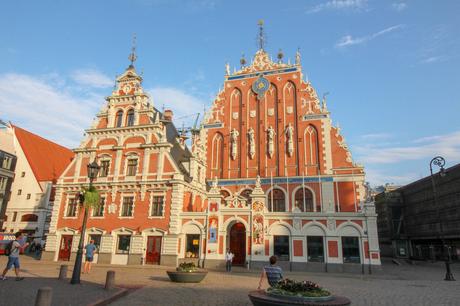
Nearby, the House of the Blackheads stands as one of Riga’s most iconic buildings, known for its ornate Gothic facade and centuries-old guild history.
The Central Market, housed in former Zeppelin hangars, is a vibrant spot to explore Latvian flavours and crafts, from smoked fish to handmade textiles.
Riga is best visited in spring or autumn when the weather is mild and crowds are smaller.
For a more detailed look at Riga’s history and architectural treasures, guided tours are an excellent option.
2. Sigulda
Sigulda is often called the “Switzerland of Latvia”. It’s a scenic town surrounded by rolling valleys, forests, and castles.
Turaida Castle, a well-preserved medieval fortress overlooking the Gauja River, is a highlight, offering panoramic views and fascinating historical exhibits.
Gutman’s Cave, the largest cave in the Baltics, is another must-see, adorned with inscriptions and surrounded by legends.
Sigulda also has a bobsled track that you can ride in both winter and summer. In summer, the sledges are equipped with wheels. In winter, it’s good old-fashioned snow.
3. Jūrmala
Jūrmala, Latvia’s premier beach resort town, is known for its long stretches of white-sand beaches and charming wooden architecture, which dates back to the early 20th century.
Located just a short train ride from Riga, Jūrmala offers a peaceful escape from city life with its relaxing coastal vibes and beautiful natural surroundings.
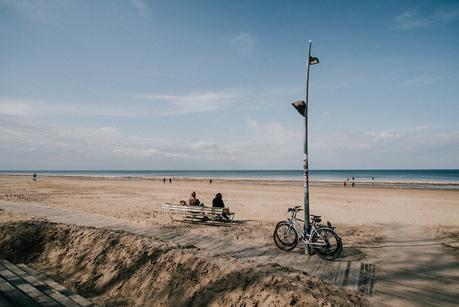
The beach itself is ideal for sunbathing and swimming in summer. Nearby Dzintari Forest Park offers tranquil walking trails and a scenic lookout tower for panoramic views.
Jomas Street, one of the oldest streets in Jūrmala, is lined with cafes and shops, making it a lively spot to unwind with a coffee or local seafood.
Summer is the best time to visit Jūrmala for beach activities and warm weather.
4. Kuldīga
Kuldīga, a picturesque town with medieval roots, is known for its beautiful architecture and Europe’s widest waterfall, the Venta Rapid.
Walk along the historic red-brick bridge that spans the river for a stunning view of the waterfall. It’s particularly impressive in spring.
The bridge is also one of the longest brick bridges in Europe.
Kuldīga’s old town is full of cobbled streets, well-preserved old houses, narrow lanes, and traditional wooden buildings.
5. Cēsis
Cēsis is another attractive medieval town known for its rich history, scenic beauty, and vibrant cultural scene.
The star attraction here is Cēsis Castle. The fortress has two main parts: the old stone castle ruins and the newer castle, which houses a museum.
Exploring the ruins by lantern gives a unique feel, taking you back to the town’s medieval days.
Cēsis also hosts an annual Medieval Festival in July, complete with reenactments, traditional crafts, and traditional celebrations.
Gauja National Park is also located nearby (see below).
6. Gauja National Park
Gauja National Park is Latvia’s oldest and largest national park.
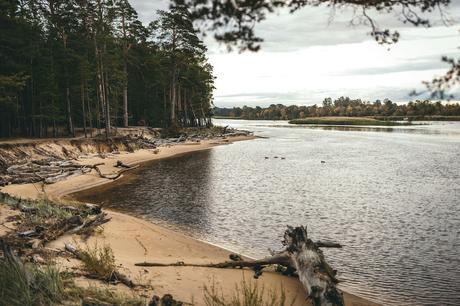
Known for its rolling forests, scenic river valleys, and sandstone cliffs, the park offers a variety of activities, including hiking, canoeing, and wildlife spotting.
The Gauja River meanders through the park, creating beautiful spots for boating and riverside picnics.
Gutman’s Cave, located within the park, is a must-see with its ancient carvings and fascinating legends. Explore the park’s dramatic sandstone cliffs and river valleys, which offer some of the most scenic viewpoints in Latvia.
Spring and autumn are ideal for hiking in Gauja National Park, with mild temperatures and beautiful scenery.
Bring a jacket, as weather can change quickly in the forested areas. Whether you’re into hiking, history, or simply enjoying nature, Gauja National Park showcases Latvia’s natural beauty at its best.
7. Rundāle Palace
Rundāle Palace, often referred to as the “Versailles of Latvia,” is a stunning example of Baroque architecture set amidst manicured gardens.
Rundāle Palace is compared to Versailles for its opulent design, grandeur, and historical significance.
Built in the 18th century, the palace offers a glimpse into Latvia’s aristocratic past, with lavishly decorated halls, opulent ballrooms, and an extensive art collection.
Spring and summer bring the palace gardens to life, with colourful flowers adding to the grandeur of this historic masterpiece.
A guided tour provides fascinating insights into the palace’s history, including the lives of its former residents.
8. Liepāja
Liepāja, a coastal city on the Baltic Sea, is known for its rich musical heritage, beautiful beaches, and unique historical sites.
The Karosta area, once a secret Soviet military base, is now open for visitors, with the eerie Karosta Prison offering tours that delve into its fascinating past.
For music lovers, the city’s Great Amber concert hall is a modern architectural gem hosting regular performances.
With its Blue Flag certification, Liepāja Beach is one of the best-maintained beaches along the Baltic coast, perfect for a summer retreat.
The city’s relaxed vibe and vibrant cafe scene make it a great spot for unwinding. Jūrmala Park is another great spot, with walking trails and green spaces ideal for picnics.
9. Cape Kolka
Cape Kolka is a dramatic, windswept cape where the Baltic Sea meets the Gulf of Riga.
With its rugged beauty, Cape Kolka is a favourite spot for birdwatchers, especially during migration seasons when thousands of birds pass through this area.
Walking along the beach provides an excellent view of the Kolka Lighthouse, standing around 5 kilometres offshore.
The surrounding Slītere National Park also offers trails and observation towers that enhance the outdoor experience, with diverse flora and fauna to discover.
Late spring and early autumn are ideal for visiting Cape Kolka, with mild weather and fewer crowds.
10. Salaspils Memorial Ensemble
The Salaspils Memorial Ensemble is located just outside Riga. It’s a moving tribute honouring the memory of the victims of Nazi occupation during WWII.
The memorial features stone sculptures and plaques that tell the story of Latvia’s wartime history. It’s a vast, quiet space, and a very thought-provoking place to visit.
11. Daugavpils
Daugavpils, Latvia’s second-largest city, is known for its historical fortifications and cultural diversity.
The Daugavpils Fortress, a massive 19th-century fort complex, is a highlight.
Within the fortress, the Mark Rothko Art Centre celebrates the work of the famous painter born in Daugavpils. Here, you’ll find exhibitions dedicated to his abstract art and other contemporary pieces.
Daugavpils’ unique cultural tapestry is reflected in its architecture, cuisine, and even local dialects.

Art enthusiasts, especially those interested in Rothko’s legacy, will find Daugavpils both culturally enriching and visually inspiring. Spring and summer are ideal for visiting, with mild weather.
12. Talsi
Talsi is a picturesque hill town surrounded by scenic lakes and rolling countryside.
Known as the “City of Nine Hills,” Talsi boasts beautiful views from its elevated spots and a charming Old Town with cobbled streets and colourful houses.
Check out Talsi Regional Museum, which covers the town’s history and local culture, or enjoy a peaceful walk around Lake Talsi and Talsi Hill Park.
Spring and summer are the best times to visit Talsi when the area is in full bloom.
13. Sabile
Sabile, a charming town in Latvia’s wine-making region, is known for its picturesque vineyards and stunning landscapes.
At the heart of the town lies Sabile Wine Hill, one of the world’s most northerly open-air vineyards, offering a fascinating look into Latvia’s wine production and the chance to sample some local varieties.
Every August, Sabile hosts an annual Wine Festival, which celebrates the town’s wine heritage with tastings, music, and traditional crafts.
The Open-Air Art Museum in Sabile adds another creative layer, showcasing sculptures and installations by Latvian artists that blend perfectly with the town’s natural beauty.
Late summer is the best time to visit Sabile, especially during the Wine Festival.
14. Ventspils
Ventspils is a family-friendly coastal city known for its clean beaches, vibrant parks, and historic sites.
Ventspils Beach, with its soft sand and Blue Flag certification, is ideal for families, offering playgrounds and plenty of space for relaxation.
The Flower Carpet park, with its colourful and intricate floral designs, is perfect for a leisurely stroll and brings a burst of life to the town.
Ventspils Castle, a well-preserved medieval fortress, provides a peek into the region’s history, complete with interactive exhibits.
Kids will also love the sculptures and open-air playgrounds scattered throughout the city, adding a playful touch to your visit.
Summer is the perfect time to experience Ventspils at its best, with the beach and all its attractions in full swing.
15. Madona
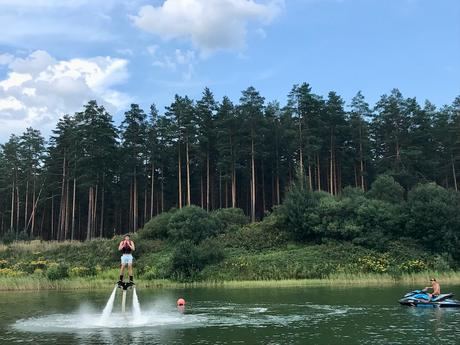
Madona is a peaceful town surrounded by scenic hills and lakes. It’s a hub for outdoor activities year-round.
Nearby Gaiziņkalns, Latvia’s highest point, is a popular spot for skiing and snowboarding.
In the warmer months, the surrounding forests and trails are perfect for hiking, biking, and immersing yourself in the area’s natural beauty.
16. Aglona Basilica
Aglona Basilica is one of the most important pilgrimage sites in the Baltics. Located in southern Latvia, not far from Daugavpils, it draws thousands of visitors.
The beautiful Baroque-style basilica stands out with its twin towers and stunning interior adorned with religious artwork and intricate details.
It’s a key gathering point during the Assumption Day pilgrimage in August.
The peaceful setting, surrounded by lakes and forests, adds to the basilica’s serene and reflective atmosphere.
17. Pape Nature Reserve
Pape Nature Reserve, located along Latvia’s southwestern coast, is a paradise for wildlife and nature lovers.
Known for its wild horses, bison, and diverse birdlife, the reserve provides an opportunity to witness Latvia’s rich biodiversity up close.
Its walking trails wind through wetlands, dunes, and forest areas, offering varied scenery and plenty of wildlife-spotting opportunities.
Observation towers throughout Pape make for ideal birdwatching spots, especially during spring and autumn migrations.
18. Ķemeri National Park
Ķemeri National Park is famous for its stunning bog landscapes and diverse ecosystems. I think it’s one of Latvia’s most picturesque natural spots.
The Great Ķemeri Bog Boardwalk is the park’s highlight. Here, you can enjoy scenic walks through lush bogland, with pristine pools and moss-covered vistas.
Early morning visits are particularly magical, with mist rising over the bog creating an ethereal atmosphere.
Beyond the bog, Ķemeri is home to a wealth of bird species, along with trails for hiking and biking.
The park also has sulphur springs and several small mineral-rich pools.
19. Ludza
Ludza, Latvia’s oldest town, is steeped in history and surrounded by beautiful natural landscapes.
The ruins of Ludza Castle, perched atop a hill, offer stunning views of nearby lakes and the countryside.
A visit to the Ludza Museum provides rich insights into the town’s past, highlighting its connections with both Latvian and Russian cultures.
Ludza’s lakeside setting and historic ruins offer a peaceful, atmospheric escape.
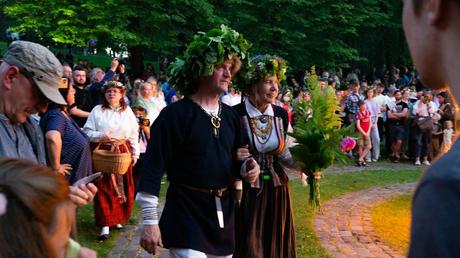
Summer is the ideal time to visit, with warm weather making it easier to explore the outdoor attractions and soak in the town’s historic charm.
20. Koknese
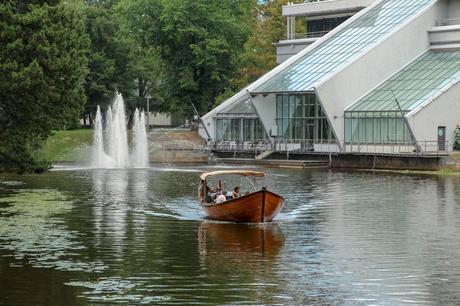
Situated on the banks of the Daugava River, Koknese is known for its picturesque castle ruins and tranquil riverside park.
The 13th-century Koknese Castle ruins, with ivy-covered walls and scenic river views, provide a beautiful backdrop for exploration.
Nearby, the Memorial Garden pays tribute to Latvia’s historical struggles.
FAQs
When is the best time to visit Latvia?
The best time to visit Latvia is during the summer (June-August) for warm weather. Spring and autumn are also good times to explore its towns and national parks, with fewer crowds. Latvian winters are often very cold – but picturesque, with thick snow.
Do I need a visa to visit Latvia?
Latvia is part of the Schengen Area, so EU nationals do not need a visa to visit Latvia. Visitors from other countries may need a visa, so it’s best to check specific requirements based on your nationality.
How can I travel around Latvia?
Latvia has a well-connected bus and train network linking major towns, making it easy to travel around without a car. However, renting a car is recommended for exploring rural areas and reaching less accessible destinations like national parks.
Is Latvia budget-friendly for travellers?
Yes, Latvia is fairly budget-friendly, particularly outside the capital, Riga. Accommodation, food, and public transport are reasonably priced, making it an excellent destination for travellers exploring on a budget.
What currency is used in Latvia?
Latvia uses the euro (EUR), and credit cards are widely accepted. However, carrying some cash is advisable, especially in rural areas where card payments might not be available.
Final Thoughts
Latvia offers a remarkable range of experiences, from the charming streets of Riga and the ancient ruins of Ludza to the untouched beauty of its forests and coastlines.
The lack of crowds and a blend of historical depth and natural wonders make it a perfect alternative travel destination.
Check out some of my other posts on Latvia and let me help you plan an unforgettable trip!