


[ad_1]
Plant-based diets have taken root in American culture in recent years, primarily due to growing awareness of the health benefits of this eating pattern. But contrary to what some people think, herbal doesn't necessarily mean you have to give up all animal products. On the contrary, you could just eat meat or dairy products less frequently or in smaller portions. To replace those lost calories, you should eat more beans and legumes, vegetables, whole grains, and fruits. These foods, mostly low in fat and high in nutrients, have been linked to improvements in many health conditions, including high blood pressure, diabetes, and heart disease.
Better for your budget and the planet
A vegan diet can also help reduce your food budget. And there is yet another reason to feel good about this eating pattern: it helps keep our planet healthy. A diet that contains only small amounts of food of animal origin requires a fraction of resources such as water, energy and land to cultivate, and generates less greenhouse gases. Plus, by eating unprocessed or minimally processed foods, you avoid the extra energy and packaging that goes into producing processed foods.
"Following a plant-based diet can be an important way to reduce your carbon footprint," says Teresa Fung, associate professor at Harvard TH Chan School of Public Health. Research suggests that diets high in red meat are five times the emissions of plant-based diets.
How much plant-based food should you aim for if you want a truly sustainable diet? In early 2019, the EAT-Lancet Commission on Food, Planet and Health - a multidisciplinary group of 37 leading scientists from 16 countries - outlined the type of diet needed to support a global population of 10 billion by 2050 in a healthy, sustainable way. His report urged people to double the amount of fruits, vegetables and nuts they eat, and to cut red meat and added sugars by at least 50%. The recommendations are quite different from what most Americans eat - allowing only one 3.5-ounce serving of red meat per week. The commission included a graphic representation of its "planetary health plaque" that shows how much a person's overall diet should come from plant sources.
Easy Plant-Based Dinner Recipes
If you need inspiration to switch to a plant-based diet, try these easy recipes from Monique Tello, MD, MPH. Both contain a variety of vegetables and are very adaptable - just swap out your favorite veggies or whatever you have on hand. Frozen or low sodium canned vegetables are a convenient and always nutritious alternative to fresh produce.
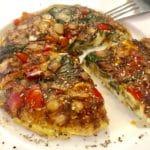
Impression
Frittata in the pan
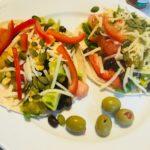
Impression
Make your own sweet tacos
The post 2 Easy, Affordable, Plant-Centered Dinners first appeared on Harvard Health Blog.
[ad_2]






