Complete 2021 Crane Rental Guide
A crane is a machine used for material handling during construction to lift, lower and move items vertically and horizontally. Cranes are necessary and required for many construction job sites when the project involves heavy loads (for example moving steel beams) or a high reach (for example a skyscraper). The largest crane in the world, Taisun, is used for shipbuilding in China and is the capable of lifting 20,000 tons.
There are many nuances to finding and renting the right crane for your job. Cranes come in different shapes and sizes and serve a wide range of applications. Some cranes are stationary and erected at the job site, while others are mobile and mounted on a truck.
Cranes can have long service lives of up to 20 to 40 years or more, depending on the type and model. Used cranes often still carry a meaningful price tag given their potential steel scrap value.
What Are The Major Crane Brands & Manufacturers?
Cranes are specialized and do not have many common parts / components shared with other construction machinery. There are fewer synergies for manufacturers when they produce and design cranes - other than material purchases such as steel. As a result, cranes tend to be completely separate from other construction equipment manufacturing.
The largest crane brands in the world include:
- Liebherr
- Cargotec
- Konecranes
- Terex
- Manitowoc (Grove, National Crane, Shuttlelift, Manitowoc and Potain)
- Palfinger
- Linkbelt
- XCMG
- Tadano
- Sany
- Zoomlion
What Types Of Cranes Are There And What Crane Should I Rent?
Similar to how there are different types of cars (sedan, pickup, SUV, etc), there are different types of cranes that are best fit for different types of jobs. These different cranes cost different amounts and have different capabilities. You can understand which crane type is best fit for your needs and budget by speaking with a crane rental company sales specialist.
Generally speaking cranes are organized into three primary categories:
- Fixed Cranes are cranes anchored in one spot. They tend to be able to lift more weight since the base is usually fixed or secured in place.
- Mobile Cranes are cranes capable of moving on their own. The mobility is often enabled by wheels or tracks.
- Specialty Cranes are cranes designed for a specific application. One example is floating sea crane.
Crane types can include the following:
Telescopic Cranes are a type of crane that extends and retracts the boom using hydraulics. The boom operates like a collapsible "telescope". Typically telescopic cranes are mounted on a mobile platform such as a wheeled truck or tracks.
Truck Mounted Cranes are a combination of a truck chassis and a crane. They are able to travel on public roads and highways, making the transportation much easier.
Overhead Cranes (also known as bridge cranes) are used in industrial applications, typically inside mounted between steel beams, to move material.
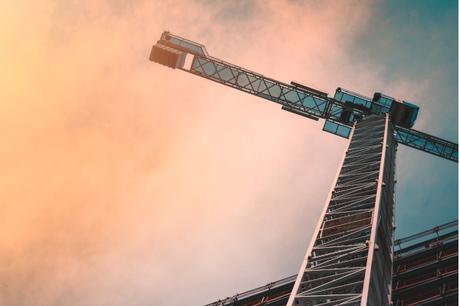
Tower Cranes are stationary cranes erected in one place and often used in construction of large buildings. When most people think of the word "crane (for construction)" they picture a tower crane. Tower cranes tend to rise with the building as it is built.
All Terrain Cranes is capable is built for use on different types of terrain and under various weather conditions. It offers superior mobility as well as the ability to move on public roads.
Rough Terrain Cranes are used for both off road and rough terrain applications. The undercarriage is fitted with large and sturdy rubber tires equipped with four-wheel drive. They are typically fitted with telescopic booms and outriggers for stability.
Crawler Cranes have tracks instead of wheels (similar to an excavator). Crawler cranes are better suited for soft ground and uneven terrain. Crawlers tend to be bulky and expensive to transport to and from job sites.
Carry Deck Cranes evolved from Pick & Carry cranes (often the two are used interchangeably). They tend to be smaller, four-wheeled and have a full 360 degree rotation capability. They are mobile and small, making them very versatile at job sites.
Mini Crawler Cranes offer lifting and maneuvering capability in confined or small areas. They are easy to transport and can be used indoors.
Loader Cranes help to load and unload trucks and other vehicles. Often they are mounted on a truck or utility vehicle.
Floating Cranes are also known as crane ships / vessels. They are often used in deep sea applications for oil and gas industries. The basic structure is a floating platform with a crane.
Should I Rent Or Buy A Crane?
Renting a crane makes financial sense for you if you need a crane every once in awhile, if you will require different types of cranes at various times. Cranes are expensive, and they require regular service and maintenance expenses to keep the crane operational.
Owning a crane makes sense if is a core part of your business and you plan to use it often. It usually makes sense to buy a crane if you plan on using it for more than 3-5 months a year for many years.
Renting is a good option because the renter can pick and choose from a wide variety of options. One job site might require a telescopic crane, while another job site might require a mobile crane. Typically rentals are quoted on a daily, weekly or monthly rate basis. The per day cost decreases as the rental term extends. Longer rentals have lower average daily rates because there are fixed costs associated with each time a crane is rented - transportation, inspecting, servicing and downtime to remarket.
Cranes tend to be the most expensive pieces of machinery on a construction site due to their engineering complexity and large amount of raw materials such as steel used to fabricate the crane. Given the high capital cost of purchasing a crane, most construction jobs opt to rent cranes from an established crane rental company.
Crane rental rates change based on economic conditions and local supply and demand. Cranes are expensive to transport long distances, so many short and medium term rentals are driven by local conditions. Crane rental rates can fluctuate by up to 50% depending on economic and seasonal drivers.
Certain projects that are specialized or long-term (for instance infrastructure projects such as building a dam or nuclear plant) may require a specific model that is transported from far away.
How To Hire An Operator
Cranes are specialized equipment that require a certified and licensed operator. If you rent a crane, typically the rental company has a team of skilled and trained operators ready to work with you. Some contractors prefer to use their own operators - if you choose this route then discuss it with your rental company.
Crane operators in the United States are regulated by OSHA. Similar to aircraft and their pilots, crane operators are specialized and trained for different types and models of cranes.
Crane Rental Insurance
Typically you will be required to purchase insurance to cover the value of the crane, transportation liabilities (transit to and from the job site) and general liabilities (personal liability, etc). Additional forms of insurance may be required depending on the application. For instance, inland marine jobs typically require Riggers Liability coverage to insure the value of property while it is attached to the crane hook.
Speak with your crane rental company to understand your insurance needs based on the type of crane you rent, as well as the application. Crane related accidents can easily exceed $1 million.
How To Select A Crane Rental Company
You should look at the local market and find a rental company that is best for your needs. You can get a sense for the crane rental company by looking at the size of its fleet, age of the fleet, visual condition of the cranes, public reviews, number of years in the business and talking with the people.
Talk with the sales people to understand how the service department works. Understand if the crane rental company can respond to issues if they arise. Many crane rental companies offer 24/7 support. Downtime and failures can hold up an entire job site, resulting in unwanted expenses and frustrated customers.
Speak with your rental coordinators and dispatchers. Understand how they work and take note if you think they can serve you properly. Also, ask your sales person if they offer complete engineering packages to augment any crane rental needs. Often crane rental companies will have additional services to facilitate your rental.