


Published: October 24, 2025 | Last Updated on: October 24, 2025 | by Hema
If your little one has suddenly turned into a mini-vampire, it’s time to take action! Here are some practical ways to stop children from biting.
Jump To hide Why do kids bite? 10 Practical Ways to Stop Children from Biting 1. Be clear and firm 2. Try distractions 3. Find the reason 4. Offer alternatives 5. Implement time-outs 6. Use positive reinforcement 7. Change the environment 8. Create a safe space at home 9. Pay attention to the victim 10. Never retaliate Books that help Stop Children from Biting Buy Healthy Nutritious Baby, Toddler food made by our own Doctor Mom !It’s late afternoon and your toddler has just woken up from his nap. He’s fresh and happy, and ready to snuggle with you. You love this time with him – the sloppy kisses and hugs, when all of a sudden, without warning, he digs his teeth into your shoulder!
Unfortunately, this is not going to be the last time – more bites are on the way! But why do kids bite in the first place? Let’s find out!
⭐ Download FREE Recipe Ebooks for Babies & Toddlers

Why do kids bite?

Biting starts when your little one is an infant, and these are the common reasons babies bite:
- They’re teething and have sore gums
- They are curious and want to explore with their mouths
- They’re trying to understand cause and effect (what’ll happen when I bite?)
- They’re tired or hungry
Toddlers have more complex reasons for biting, such as these:
- Seeking attention
- Wanting to explore how biting feels
- Needing sensory stimulation
- Seeing others biting and trying to copy them
- Feeling anger, confusion or frustration
- Trying to feel in control
- Feeling unable to communicate needs through words
- Being overwhelmed by too much noise or light
- Being overstimulated with too much activity
- Not having enough opportunities to burn energy
- Responding to an attack
- Being too hungry or overtired
- Having anxiety about a major life change, like a new home or a new baby
Biting is more common in boys and occurs mostly in the second year of life. It generally stops when the child is around 3-4 years old, or can communicate their feelings and needs through words.
10 Practical Ways to Stop Children from Biting
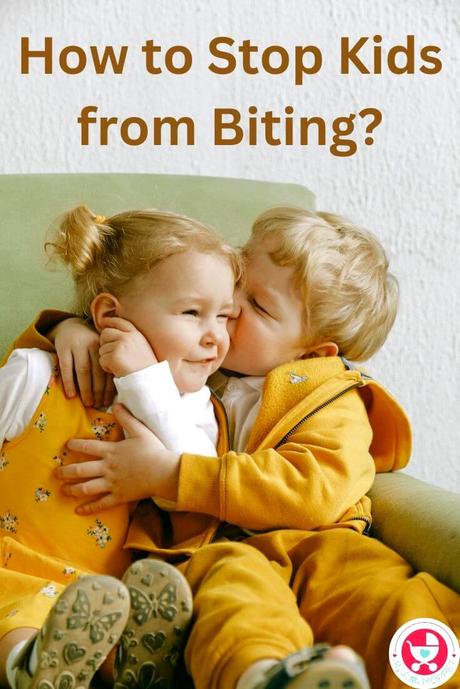
1. Be clear and firm
Right from the start, you should let your child know that you have a no-tolerance policy for biting, whether it is at home, preschool or anywhere else. Tell your child ‘No biting!‘, or ‘Biting hurts!‘ – many young children don’t even realize that biting can hurt the other person.
It’s best to avoid lengthy speeches – it’ll only dilute the message and confuse your toddler. Avoid saying things like ‘We don’t bite our friends’ – this implies it’s okay to bite people who aren’t our friends! Use minimal words: ‘We don’t bite‘ and leave it at that. Don’t give the behavior too much attention, and be consistent.
2. Try distractions
For young toddlers, the best way to stop children from biting is to distract them with an object or redirect them to another activity. This works especially if they’re biting out of boredom, and helps them direct their attention to something more productive, like coloring, dancing or playing with a toy.
3. Find the reason
If you notice that the biting is getting frequent, it helps to observe your child’s routines so you can notice any patterns. Are they always biting the same person? Does the biting increase at certain times of the day or at certain places? Paying more attention to these factors may help you avoid anything that triggers your child.
If your child is old enough, you can try talking about why they’re biting. This way, your little one gets a chance to explain their point of view, and feel heard – an important part of trying to stop children from biting.
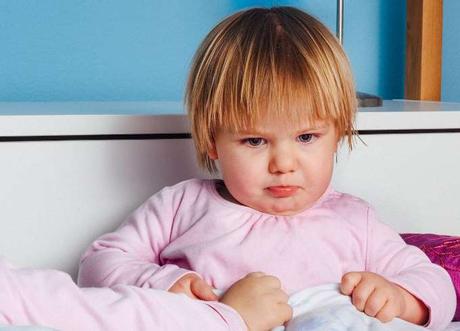
4. Offer alternatives
One reason kids stop biting by the age of 3 or 4 is that by then, they’ve developed a sufficient vocabulary to communicate their needs. You can help your child express their feelings by giving them words to use, like ‘Stop!’ or ‘That’s mine!’. Help your child understand emotions better by using words, like angry, sad or happy.
5. Implement time-outs
Time-outs are a good option when trying to stop children from biting, especially for older toddlers. Have them go to a designated spot for their time-out. It could be a corner with a chair or stool, or at the bottom of the staircase. A time-out of 1 minute per year of the child’s age is a good rule of thumb. Remember to make sure the time-out is in a safe space, and don’t give them any attention during this time.
6. Use positive reinforcement
When discussing what to do to stop children from biting, it’s also important to know what to do when they don’t bite! Praise and appreciation go a long way in cementing good behavior in young kids. Let them know that you noticed they used words instead of biting, or how they shared a toy with a friend. Offer lots of praise and encouragement – this will inspire them to continue.

7. Change the environment
Sometimes, toddlers bite simply out of overstimulation and overwhelm. In such cases, it helps to just remove them from the environment that’s overwhelming them. Over time, you may notice that they don’t like places that are too crowded or too noisy. By noticing patterns like this, you can ease them gently into new places, and avoid overstimulation, especially when they’re tired or hungry.
8. Create a safe space at home
The more secure and stable the environment at home is, the more well-adjusted kids will be, and the less likely they are to resort to things like biting or hitting. Make sure their routines are consistent, especially around meals and sleep. When they know exactly what to expect every day, they’ll be more relaxed and will be able to adapt more easily to new surroundings and new people.
9. Pay attention to the victim
It sounds harsh, but the person bitten by your child is a victim! Trying to stop children from biting should also include ensuring the well-being of the person who was at the receiving end, especially if it’s a child. Comfort the child, and immediately apologize to the child and their parent. Make sure the bite hasn’t caused an injury. You may also show your child how their biting has hurt someone and made them cry. You may also want to keep some distance between the children for a while – don’t force them to play together.
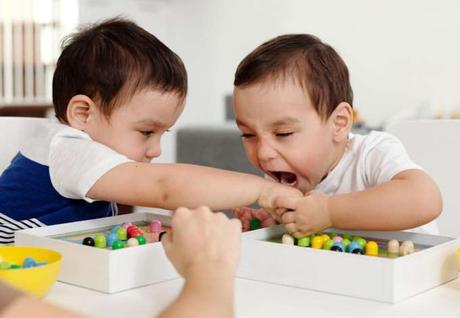
10. Never retaliate
Never, ever, hit or bite a child who bites, even if you intend to show him that it hurts. This only shows him that biting is okay to do, because you’re doing it too. Biting is a normal part of early childhood, and it shouldn’t become an identity for your child – don’t label them a ‘biter’. Yelling at them or shaming them will also backfire and only serve to make them more aggressive.
Books that help Stop Children from Biting
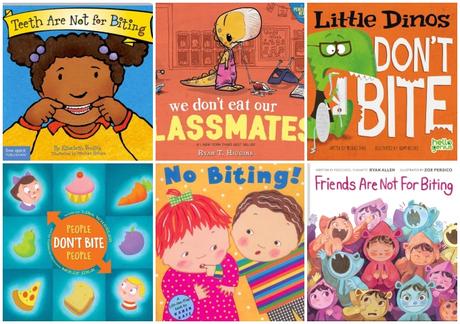
- Teeth Are Not for Biting by Elizabeth Verdick
- We Don’t Eat Our Classmates by Ryan T. Higgins
- Little Dinos Don’t Bite by Michael Dahl
- People Don’t Bite People by Lisa Wheeler
- No Biting! by Karen Katz
- Friends Are Not for Biting by Ryan Allen
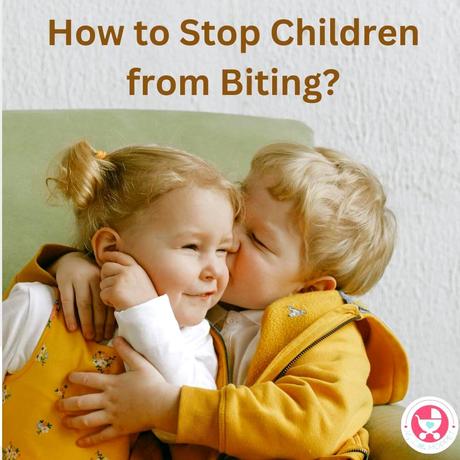
As mentioned earlier, biting is completely normal for young kids, and it usually goes away on its own. In the meantime, you can try out these tips to stop children from biting. If you have other people caring for your child, like family members or nannies, make sure to let them know how to handle such situations. If your child is over the age of 4 and still biting despite being able to speak, it may help to talk to your child’s doctor for more advice.
Buy Healthy Nutritious Baby, Toddler food made by our own Doctor Mom !
Shop now!You may also like
- How to Stop Thumb Sucking in Children

- 5 Ways Dance Reduces Stress In Children
- 8 Sneaky Ways to Ensure your Children Eat their…
- 15 Practical Tips to Prevent Childhood Obesity

- Can I give my baby pacifier to stop crying?

- 10 ways to Tame Temper Tantrum
Filed Under: Parenting







