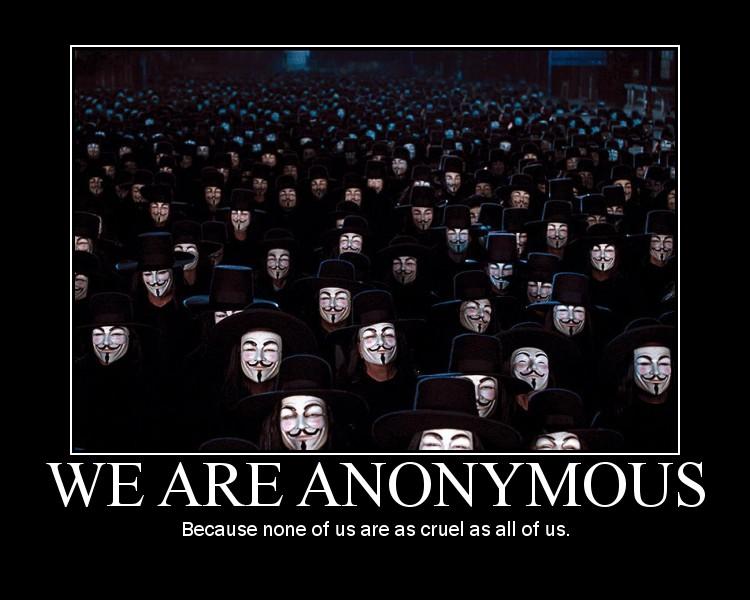
We hear a lot about trolls in the news these days. A sub-class of human previously restricted to the mysterious world of specialist messageboards and forums about dodgy TV shows nobody watches any more, the troll has now been brought front-and-centre, blinking uncertainly in the shimmering light that is Twitter.
The adoption of Twitter to the bosom of the mainstream has finally done for social media what Facebook could not and would not: it’s made it okay to talk to absolute strangers, even if you’re not an ‘internet geek’.
Those who partake in trolling — of which there are very many complex levels from ‘mild ribbing’ to ‘death threat’ with a whole sub-genre of sexism, homophobia and vague paedophilia in between — are often thought to ‘hide’ behind the anonymity the internet affords them. Although IP addresses are freely available to any body who can be bothered looking for them, the fact that it’s usernames and not full Sunday names which accompany each bilious entry allow a freedom that we are in turns proud of and disgusted by.
Every so often, there are calls for procedures to identify internet users to be more transparent and robust. Sites like Google and Facebook have ‘real name only’ policies, with the former recently mulling over whether to force their gaming and reviewing users to also ditch their usernames and display their full ‘Wait until I get you home’ monikers.
There has been applause and outcry in equal measures for this approach to posting on the internet. On one hand we remove the opportunity for trolls to post faceless vitriol with little worry about the effect it has on the object of their ire. I imagine menacing posts about cutting somebody’s throat lose their thrill for the poster if their name is easily retrievable, easing the path to retaliation and/or punishment.
Casual racism and homophobia would, perhaps, shuffle off elsewhere from its natural habitat at the bottom half of articles in the leading newspapers and all would be well again. There is nothing quite so powerful as a barrier to online nastiness as having your full name attached to it, take it from me.
But when crusading against the vicious, masked internet assassins, we forget the other side of anonymity: the ability to speak one’s mind without fear of recrimination. Internet posters don’t just spout random opinions and then take their leave — they engage, interact, reply. They try to bully those who don’t toe their line. People on the internet like to disagree with each other, and things can get very heated. An online pseudonym doesn’t just give you carte-blanche to be as unpleasant as you like; it protects you from those who are.
In a world where a name is instantly Google-able (I hate myself for using such a non-word, and no doubt the trolls will be after me for doing so) and almost everyone ‘has Facebook’, an invisibility cloak of some sorts gives the ‘good’ people of the internet the chance to speak frankly about what they believe in — be it attacking racism, talking about the positives of immigration or impassioned essays on horrifying real-life experiences.
Naysayers claim that as long as you don’t post vitriol on the internet and are totally truthful, you have nothing to worry over when it comes to a removal of internet anonymity. But I disagree. For all those who post on the internet, there are thousands, millions more just watching, like a coiled spring, awaiting outrage. Maybe your musings on the situation on Israel or gay marriage or women’s rights in Saudi Arabia may seem fairly balanced and innocuous, but there’s every chance someone out there doesn’t like what you’re saying, and wants you to know it. Remove your mutual veil of online facelessness and your detractor may find other ways to make life difficult for you. And how will they do that? Well, with your name freely available for all to see, he or she is spoiled for choice. A heavy-handed example, yes, but we shouldn’t encourage the opportunity. For every 100 people who just shrug and think ‘what an A-hole’, there’ll always be one twisted mind willing to go the extra mile in the name of internet justice.
So, internet warriors, do your worst. Sticks and stones may break my bones, but I’m hard-pressed to take offense at what humm1ng8ird1876 has to say, even if they’re lobbing outright homophobia my way or calling me a… well, take your pick. After all, they don’t know my name either.
Anonymity is a gilded cage which protects us from each other. Let the key stay lost.
Image: http://www.3hatscommunications.com/blog/2012/anonymity-social/