


wellhealthorganic.com:11-health-benefits-and-side-effects-of-olives-benefits-of-olives: Olives are a nutritional marvel, packed with health benefits such as healthy fats, antioxidants, and vitamins. They promote heart health, reduce inflammation, and aid digestion. However, it’s important to be aware of potential side effects. Olives are high in sodium, so individuals with hypertension should consume them in moderation. Excessive intake may also lead to weight gain. Additionally, some people may experience digestive issues or allergic reactions due to the high fiber content or olive allergies. Overall, while olives offer numerous health benefits, it’s crucial to be mindful of portion sizes and any personal sensitivities when incorporating them into your diet.
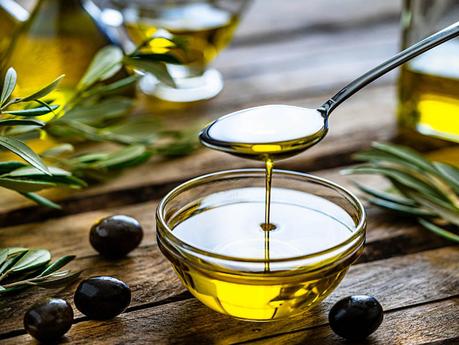
Health Benefits of Olive Oil
Different Types of olive oil is present such as Extra virgin olive oil, Virgin olive oil, Refined olive oil, Olive pomace oil and Unfiltered olive oil.
You can use Olive in cooking and make hundreds of dishes from it. You can add Olive oil in your salads. Olive oil benefits for hair regrowth and prevent hair loss. Olive oil is good for the face and its antibacterial properties helps in acne and skin hydration. Mentioned below are the best health benefits of Olive Oil. We also discuss olive oil side effects and cultivation procedures.
Olive oil helps in improving cardiovascular system
It is observed from studies that people who regularly consume olive oil are much less likely to develop cardiovascular diseases, including hypertension (high blood pressure), stroke, and hyperlipidemia (high blood cholesterol and triglyceride levels).
Regular intake of olive oil helps in reducing inflammation, endothelial dysfunction (problems with the inner linings of blood vessels), thrombosis and carbohydrate metabolism.
Olive oil helps in preventing stroke
Olive oil may prevent strokes in older people, who regularly use olive oil for cooking and salad dressing or with bread and it was seen that they had a 41% lower risk of stroke, compared with their counterparts who never consumed it.
Olive oil helps in reduction in depression risk
People whose diets are high in trans fats – fast foods and mass-produced foods like pastries – may have a higher risk of depression, compared with those whose diets are rich in mono- and polyunsaturated fats such as olive oil. Olive oil appears to have a slight protective effect regarding depression risk.
Olive oil helps in reducing breast cancer risk
Studies show that virgin olive oil protects the body against breast cancer, in contrast to other vegetable oils.The researchers decoded a complete cascade of signals within the cells of breast tumors that are activated by virgin olive oil.
They concluded that the olive oil reduces the activity of p21Ras, an oncogene, prevents DNA damage, encourages tumor cell death, and triggers changes in protein signaling pathways.

Olive oil helps in maintaining healthy cholesterol levels
A Japanese study showed that LDL-cholesterol mean concentrations were lowered in patients who were given olive oil supplements once a day for six weeks. LDL (low density lipoprotein) is often referred to as ‘bad cholesterol’.
The ‘good cholesterol’ is called HDL (high density lipoprotein). The study authors concluded that the results pointed to an overwhelmingly beneficial influence of olive oil on the lipoprotein spectrum.
Olive oil helps in protecting the liver from oxidative stress
Studies have pointed out that extra virgin olive oil may protect the liver from oxidative stress. Oxidative stress refers to cell damage associated with the chemical reaction between free radicals and other molecules in the body.
Laboratory studies showed that rats exposed to a moderately toxic herbicide that were fed on a diet containing olive oil were partially protected from liver damage. So extra virgin olive oil and its extracts protect against oxidative damage of hepatic tissue.
Olive oil helps to protect from ulcerative colitis
Ulcerative colitis, a fairly common long-term (chronic) disorder, is a kind of inflammatory bowel disease that causes inflammation of the large intestine (colon).
Consumption of more olive oil could help fend off ulcerative colitis. People with the highest intake of oleic acid – a component of olive oil had a 90% lower risk of developing ulcerative colitis compared to those with the lowest intake.
Olive oil helps in curing Alzheimer’s disease
Oleocanthal is a type of natural phenolic compound found in extra-virgin olive oil. Researchers have discovered that oleocanthal helps shuttle the abnormal Alzheimer’s disease proteins out of the brain.
Alzheimer’s disease rates are lower in Mediterranean countries, where consumption of olive oil is higher than anywhere else in the world. Oleocanthal might help reduce the accumulation of beta-amyloid, believed to be the main cause of Alzheimer’s disease.
Olive oil helps in curing Acute pancreatitis
Olive oil is rich in oleic acid and hydroxytyrosol, which affect the development of acute pancreatitis (sudden inflammation of the pancreas). Researchers have found that the components of extra virgin olive oil can protect from acute pancreatitis.
Olive oil helps in relieving Constipation
Olive oil can be used as a remedy for constipation. Olive oil benefits the gastrointestinal tract and colon. The consistency and texture of olive oil help in stimulating the digestive system, making food move smoothly through the colon. Intake of olive oil on a regular basis helps in complete prevention of constipation.
Olive oil helps in strengthening bones
In a study it was found that people consuming olive oil in their diet might contribute to strong bones. Their blood was found to contain higher levels of osteocalcin, which was an indication of healthy bone formation.
Olive oil helps in keeping hair healthy
Olive oil, along with a few other ingredients, can work wonders to keep hair healthy. The oil is rich in vitamin E that helps in fighting hairfall problems.
Uses of Olive Oil
Olive oil has a wide range of uses. It is used as a hair conditioner, used for clearing up acne, as a substitute for shaving cream, for cleaning greasy hands, removing paint from hair, polishing of furnitures, etc.

Side-Effects & Allergies of Olive Oil
Side effects of olive oil includes acne (if used excessively), can show acute allergic reactions in people sensitive to it, skin rashes, breaking the skin’s natural moisturizing abilities in case of dry skin, blackheads, inflammations, gall bladder stones, minor to moderate diarrhoea.
Regular consumption of unprocessed olive oil can increase the risks of lethal diseases like atherosclerosis, obesity, heart attack, stroke, breast cancer, and colon cancer. Olive oil lowers the blood sugar level below normal and may lead to health problems like hypoglycemia, sweating, trembling, weakness, etc.
Over-consumption of olive oil can cause a massive fall in the blood pressure and may lead to problems like dizziness, lightheadedness, stroke, and even kidney failure.
Cultivation of Olive Oil
The olive tree is native to the Mediterranean basin. Wild olives were collected by Neolithic peoples as early as the 8th millennium BC. The wild olive tree originated in Asia Minor or in ancient Greece. It is not clear when and where olive trees were first domesticated. Archeological evidences have shown that olives were turned into olive oil by 6000 BC and 4500 BC in Palestine.
Until 1500 BC, eastern coastal areas of the Mediterranean were most heavily cultivated. Evidence also suggests that olives were being grown in Crete as long ago as 2,500 BC. The earliest surviving olive oil amphorae date to 3500 BC (Early Minoan times), though the production of olive oil is assumed to have started before 4000 BC.
Olive trees were certainly cultivated by the Late Minoan period (1500 BC) in Crete, and perhaps as early as the Early Minoan. The cultivation of olive trees in Crete became particularly intense in the post-palatial period and played an important role in the island’s economy, as it did across the Mediterranean. Recent genetic studies suggest that species used by modern cultivators descend from multiple wild populations.






