
Animals & Wildlife Magazine

Featured Animal: Wasp

Posted on the 20 November 2012 by Azanimals
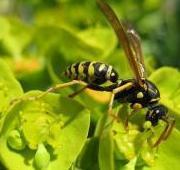
Wasp The wasp is medium sized flying insect that is found all around the world. The wasp is known for its black and yellow markings which means that some wasp and bee species are commonly confused.
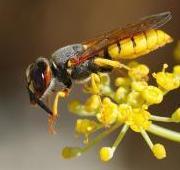
Wasp The wasp is found in all the countries in the world, on every continent with the exception of the polar regions. There are around 75,000 recognized species of wasp worldwide that grow to around 2/3 inch long.
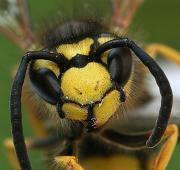
Wasp The wasp is most commonly known for its poisonous sting, that if a human is stung can often swell into a painful lump that takes a few days to soothe. Some people are allergic to wasp stings meaning the wasp sting can be fatal.

Wasp Not all wasps can sting though but those that can often die once they have used their sting has it is joined onto their rear end of often becomes dislodged. When a wasp dies it releases a smell (called a pheromone) which warns the other wasps of danger and that it needs help.

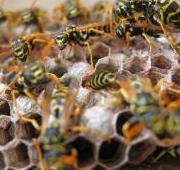
Like many other insect species, the wasp is social insect and many wasps, as many as 10,000, inhabit just one nest. The queen wasp is the only breeding female and she builds the nest from a papery substance that is made up of chewed wood and plants. Typically, the wasp only lives for 12 - 22 days.

Wasps are omnivorous animals and therefore eat a mixture of plants and other animals. As with bees, the wasp prefers the sweeter plants and primarily eats nectar, fruits and honey. Wasps also eat insects and even large caterpillars.

Despite their bright colours to deter predators, wasps are eaten by a number of different animals around the world including birds, amphibians, reptiles and various species of mammal.

The queen wasp lays her eggs inside the nest which hatch in a number of days. When the wasp larvae hatch they are cared for by the other wasps in the nest and begin to hunt for food to bring back to the nest. Wasps are known to travel nearly half a kilometer away from the nest in search of food.


You Might Also Like :

Add a comment Report spam/abuse Print this article Share on Facebook
Back to Featured Articles on Logo Paperblog

These articles might interest you :

  • Featured Animal: Scorpion

    The scorpion is an eight-legged carnivorous anthropod, that are found worldwide. There are around 2,000 different species of known scorpion found in most... Read more

    The 06 November 2012 by   Azanimals
    ANIMALS & WILDLIFE, ENVIRONMENT
  • Featured Animal: Tree Frog

    The tree frog is a small species of frog that spends its life in the trees. True tree frogs are found inhabiting the forests and jungles in the warmer regions... Read more

    The 08 February 2013 by   Azanimals
    ANIMALS & WILDLIFE, ENVIRONMENT
  • Featured Animal: Warthog

    The warthog is a large species of pig that is found in the desert and shrub-lands of Africa. There are considered to be two species of warthog which are the... Read more

    The 18 September 2012 by   Azanimals
    ANIMALS & WILDLIFE, ENVIRONMENT
  • Featured Animal: Cichlid

    The cichlid is a brightly coloured freshwater fish that can range in size from just a couple of centimetres to over a metre in length. All species of cichlid ar... Read more

    The 23 September 2012 by   Azanimals
    ANIMALS & WILDLIFE, ENVIRONMENT
  • Featured Animal: Sumatran Orang-utan

    Sumatran Orang-utan Classification and Evolution The Sumatran Orang-utan is one of two Orang-utan species in Asia, and they are natively found on the... Read more

    The 23 October 2012 by   Azanimals
    ANIMALS & WILDLIFE, ENVIRONMENT
  • Featured Animal: Sea Turtle

    Sea turtles are found in all of the major oceans and smaller seas with the exception of the Arctic Circle as it is generally too cold for sea turtles as they... Read more

    The 16 May 2013 by   Azanimals
    ANIMALS & WILDLIFE, ENVIRONMENT
  • Featured Animal: Ibizan Hound

    Ibizan Hounds are very intelligent, active, and engaging by nature. They are true clowns of the dog world, delighting in entertaining their people with their... Read more

    The 31 March 2013 by   Azanimals
    ANIMALS & WILDLIFE, ENVIRONMENT

Add a comment
